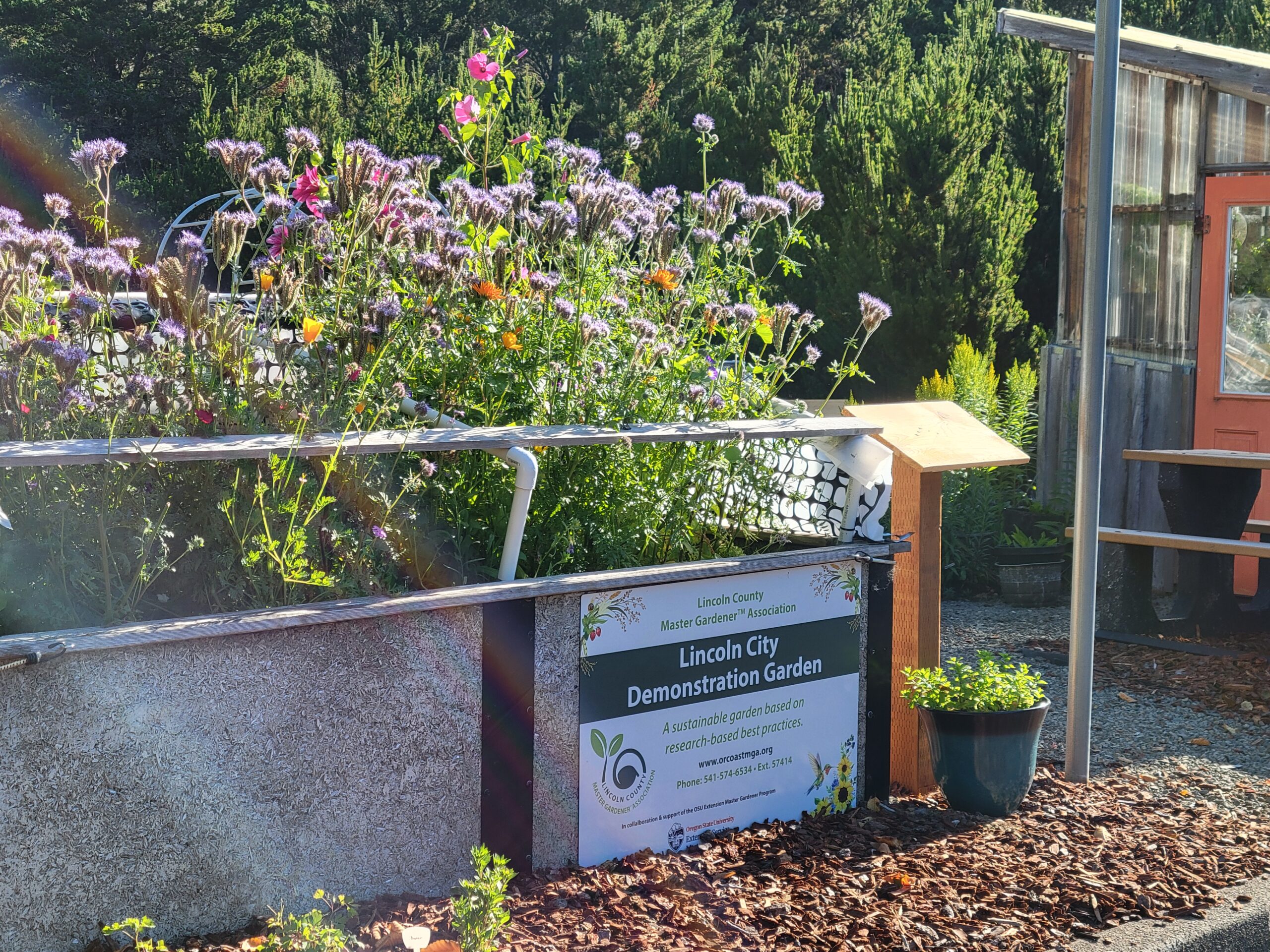
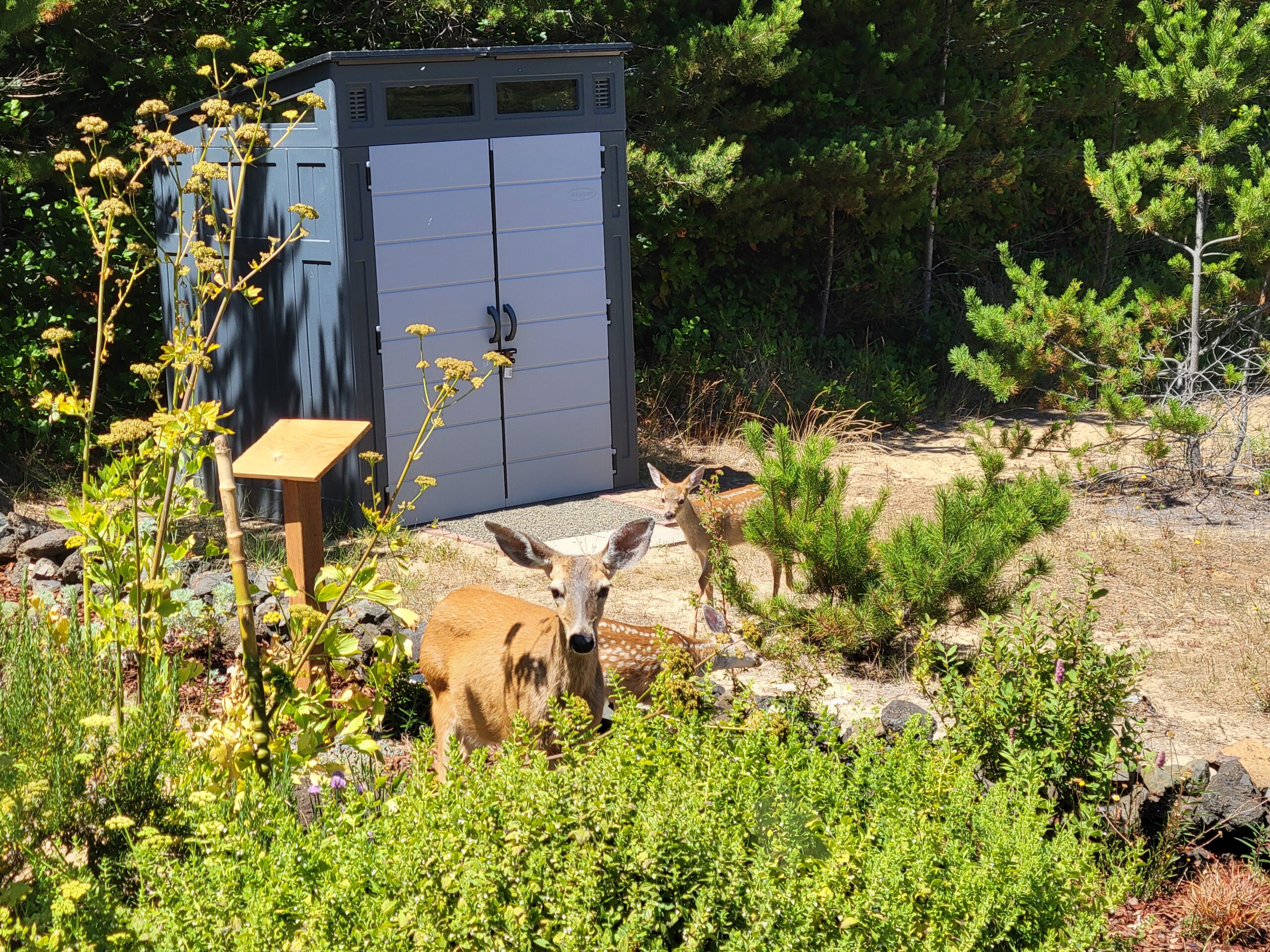
In this edition of the Lincoln County Gardner, host Ross McCann talks with Master Gardeners Kathy Burke and Terry DeJong, leaders of the Lincoln City OSU Demonstration Garden. Find out about the garden and drop by for a visit.
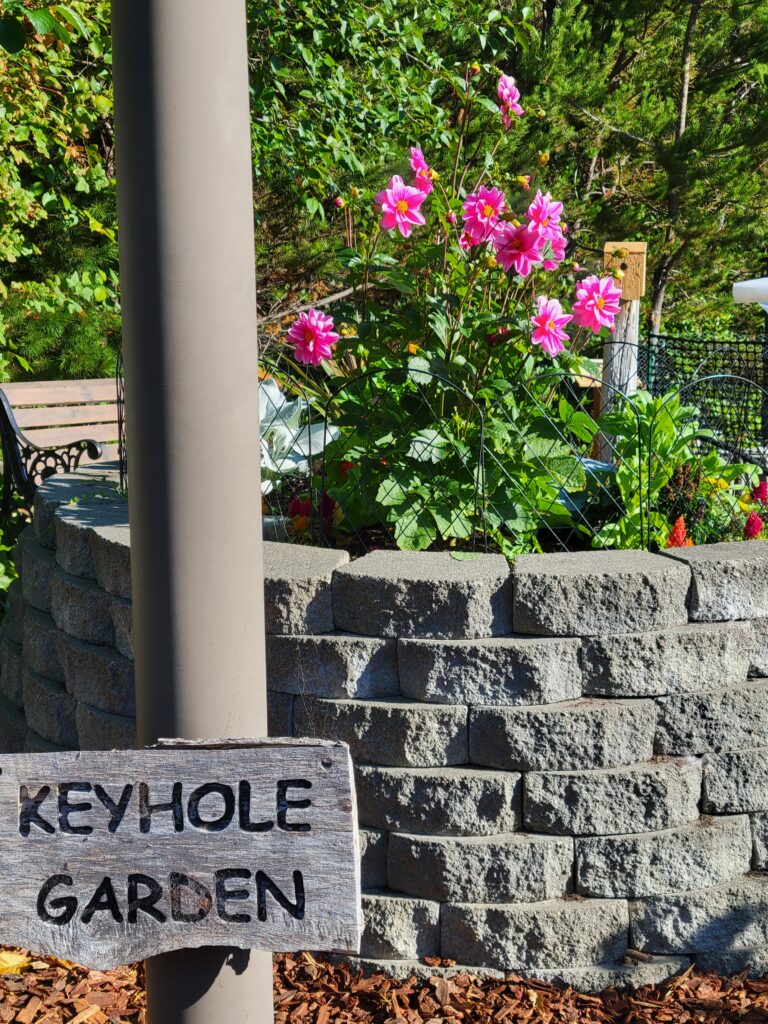
Ross mentions the KYAQ episode featuring the Keyhole garden which you can listen to here.
Local Lincoln City residents enjoying the Sensory Garden. Photo from Terry DeJong.Mary Jane Bonelitz designed, and the Lincoln County Master Gardeners built this unique "Keyhole Garden." Photo by Larry King.
In this edition of the Lincoln County Gardner, host Ross McCann talks with Master Gardener Emilia Lacy about culinary herbs from various cultures and regions. She covers all the unusual herbs that will be for sale at the annual Master Gardener™ Plant Sale. It's on 5/16/2026 at the Armory in Newport, Oregon.
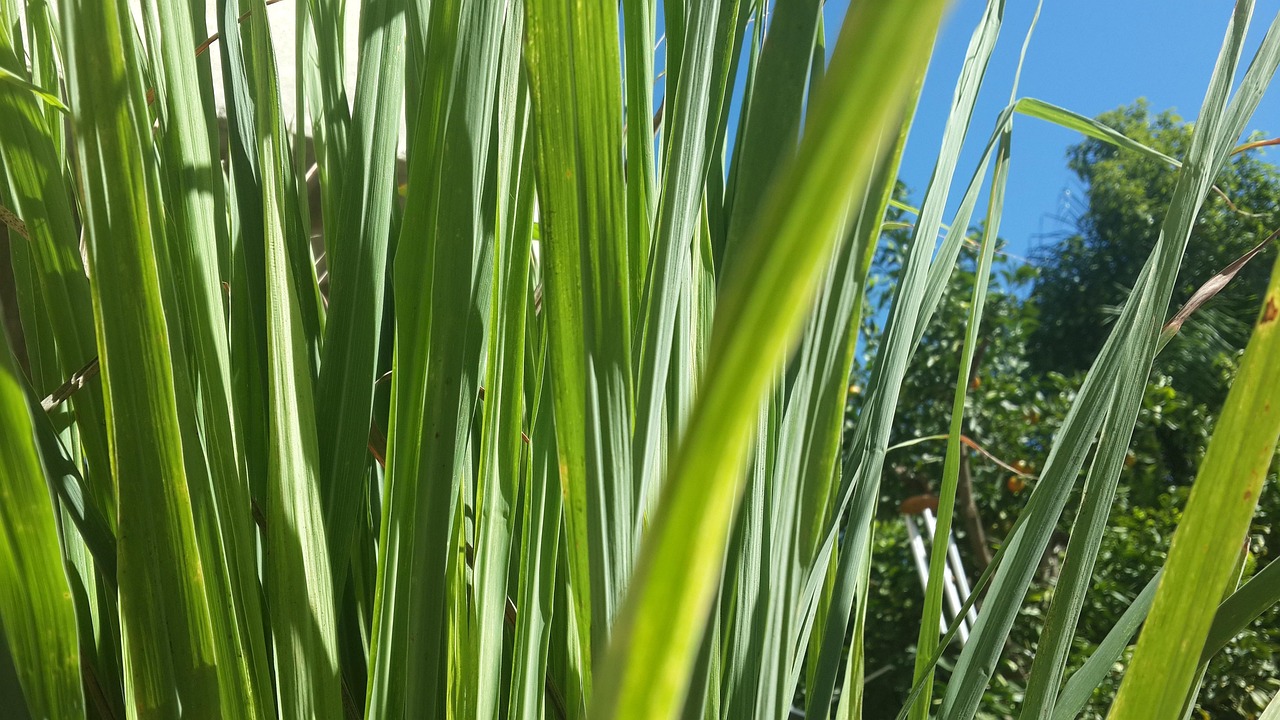
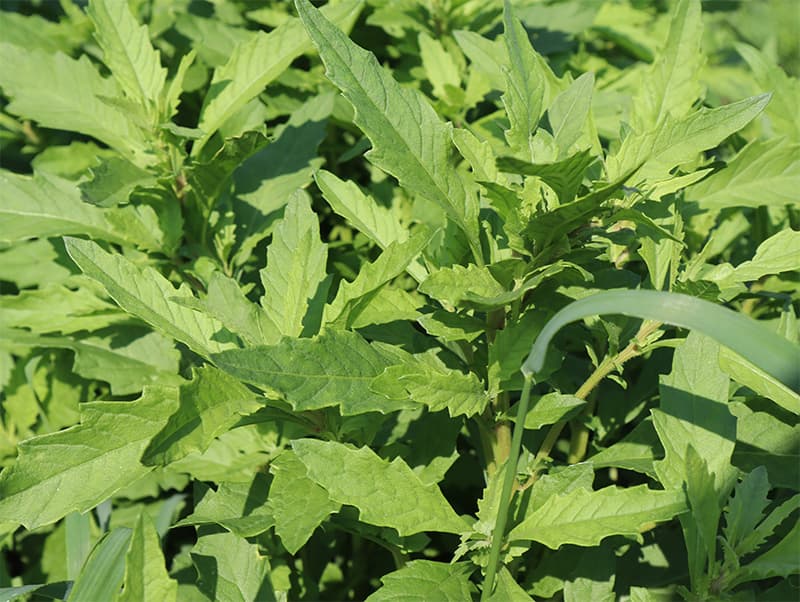
Lemon grass is hard to get started in our climate, but once established may survive all but our coldest winters in Lincoln County; Image by alon from Pixabay. Featured image of Cilantro by Rajesh Balouria from PixabayEpasote requires heat for germination, but grows quickly. Image courtesy of Heirloom Seeds.
In this edition of the Lincoln County Gardner, host Ross McCann talks with Master Gardener Joan Crall about starting and growing herbs along the Oregon Coast. She explains exactly how to start herbs from seeds as well a purchasing starts. If growing your own isn't for you, there's a large selection of herbs at the annual Master Gardener™ Plant Sale. It's on 5/16/2026 at the Armory in Newport, Oregon.
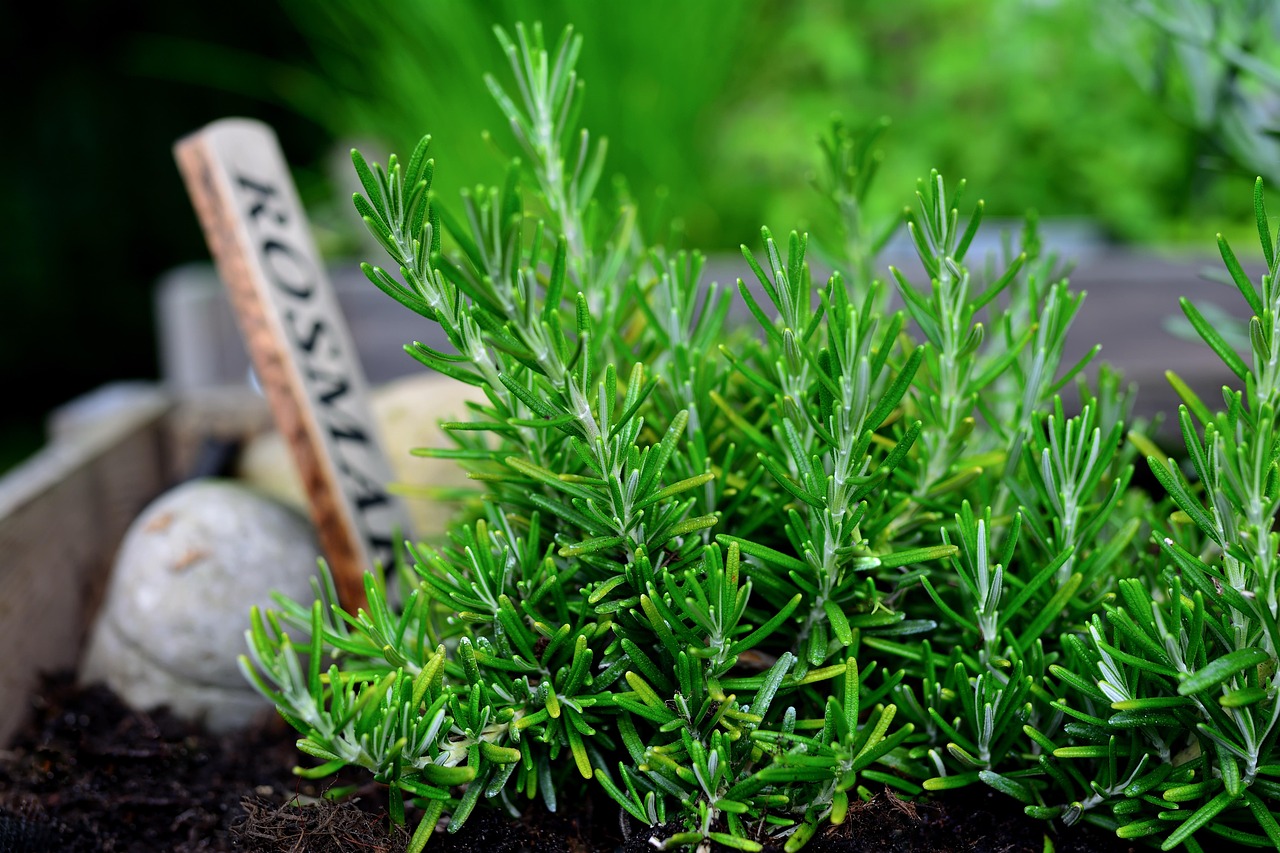
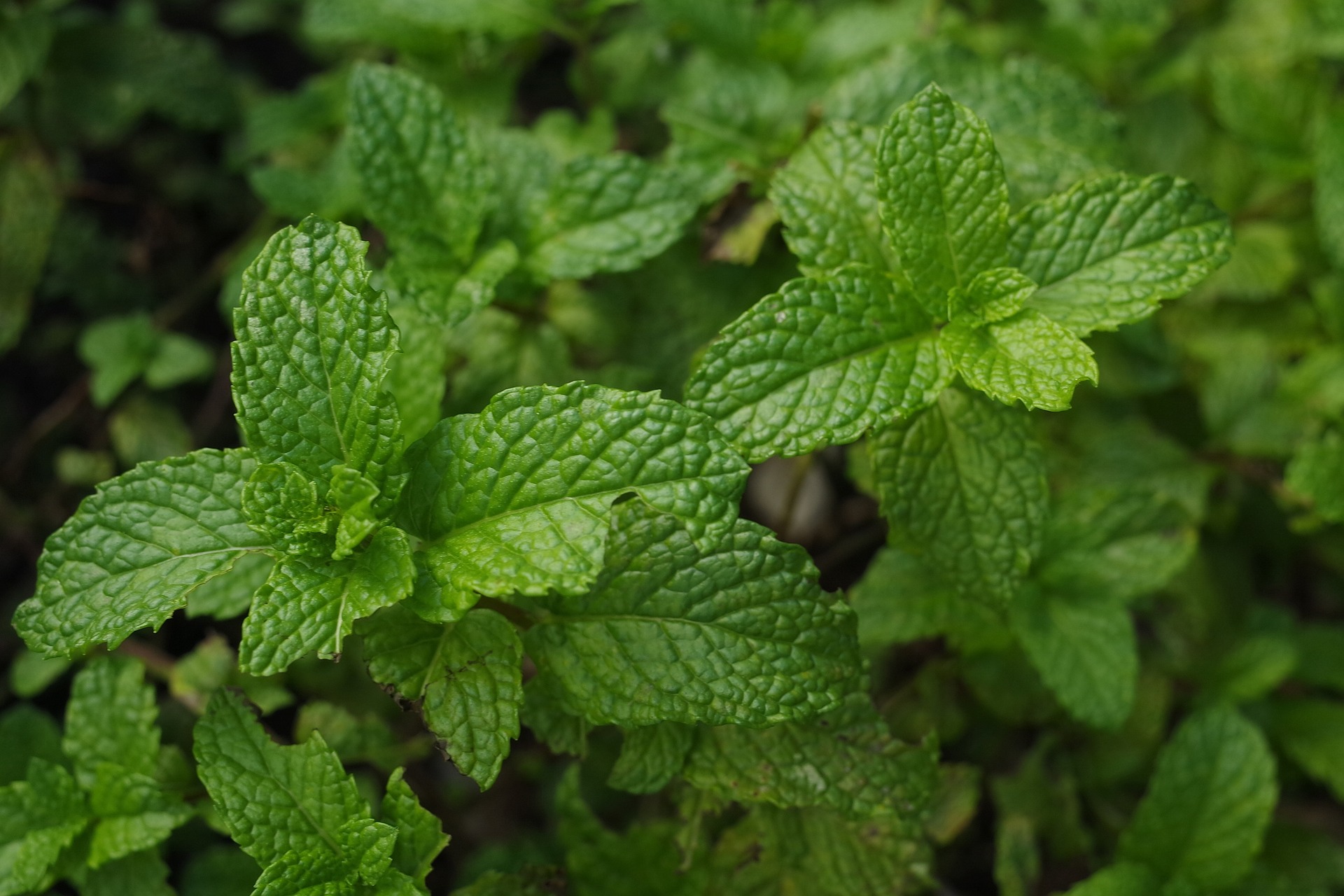
Fennel and Dill require deeper pots for their long roots; Image by Schwoaze from Pixabay. Featured image of Rosemary by congerdesign from Pixabay.For more dependable flavor, mint is better propagated by cuttings rather than seed. Image by ChrisCCP from Pixabay.
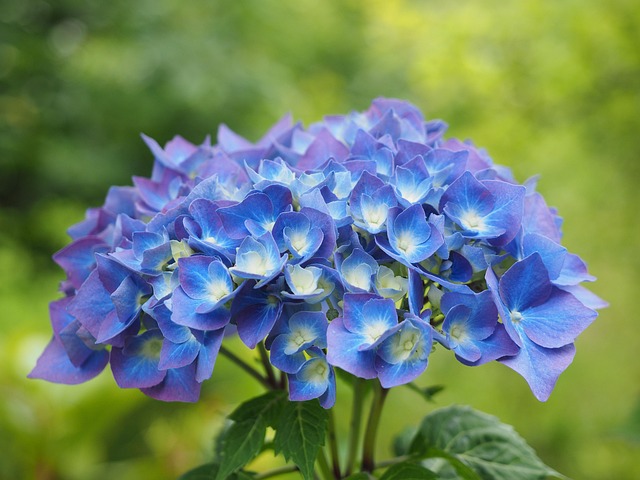
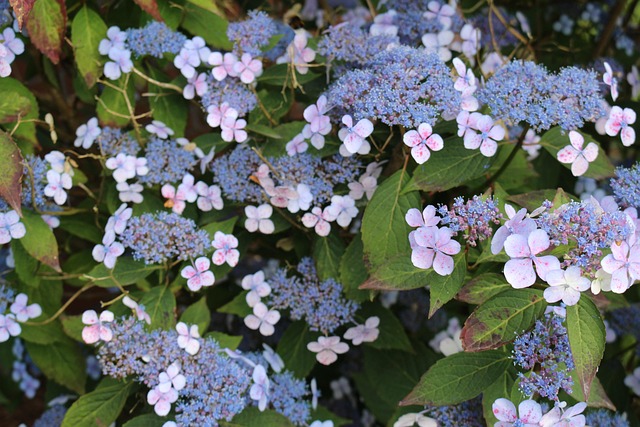
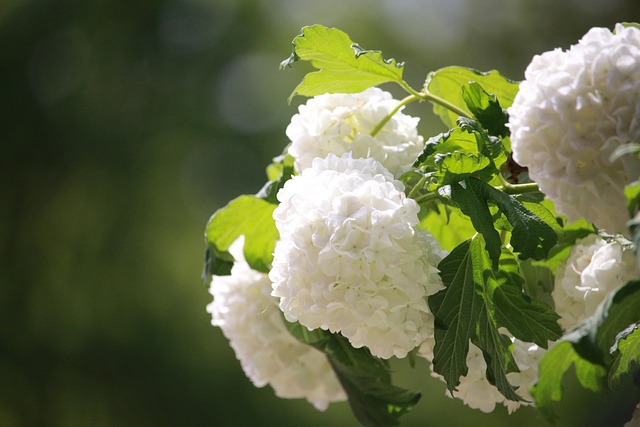
In this edition of the Lincoln County Gardner, host Ross McCann talks with Master Gardener Mary Jane Bonelitz about Hydrangeas (Hydrangea macrophylla and Hydrangea paniculata). The Oregon coast provides almost perfect conditions for this popular plant.
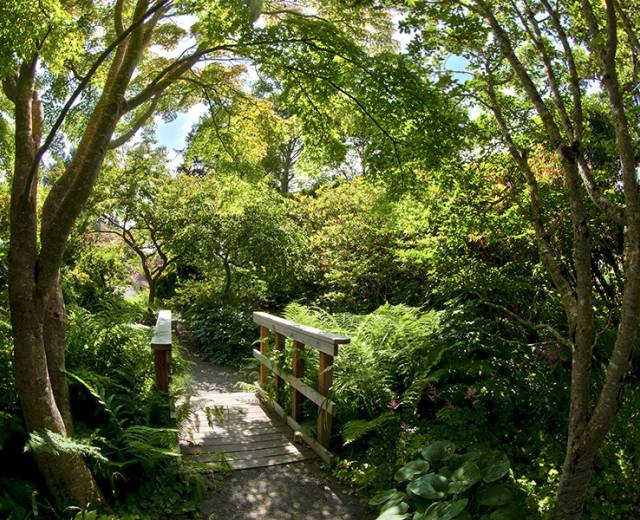
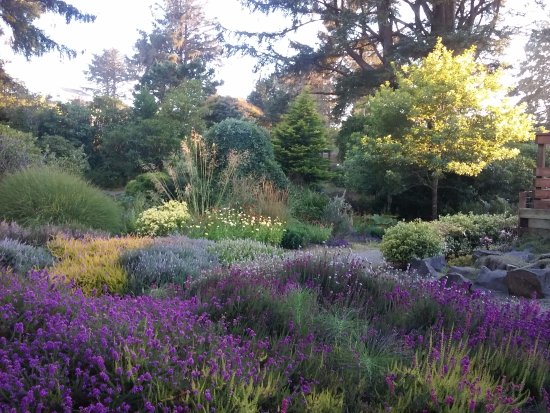
In this edition of the Lincoln County Gardner, host Ross McCann talks with Master Gardeners Cheri Rice and Terry DeJongh. They volunteer at Lincoln City's treasure, the Connie Hansen Garden.
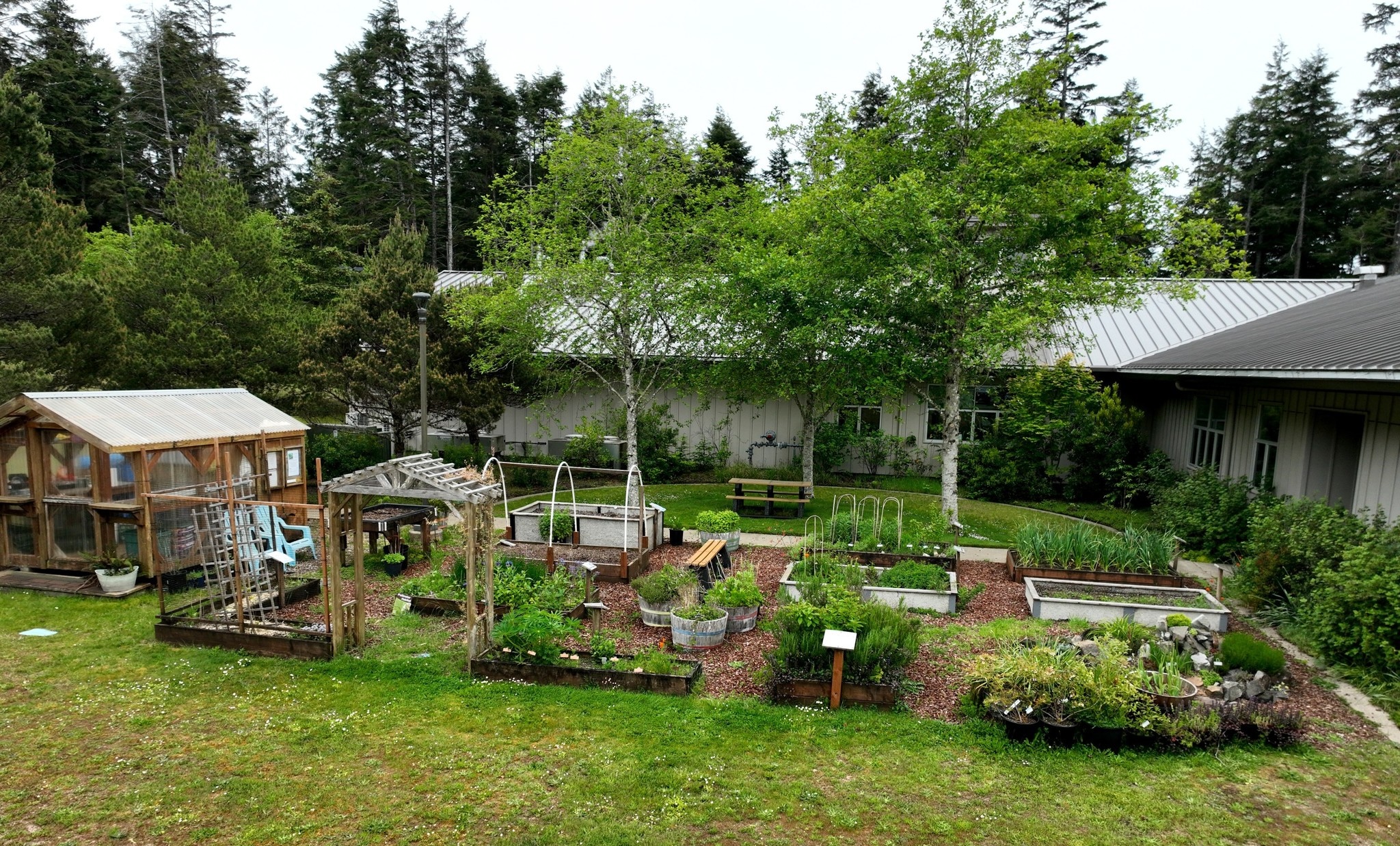
In this edition of the Lincoln County Gardner, host Ross McCann talks with Master Gardener Joan Crall, Co-Lead at the OSU Demonstration Garden in South Beach. You'll learn about the garden, its exhibits and the many events to be held in 2026.
The raised bed of garlic at the South Beach Demonstration Garden. All images by garden Co-Lead Steve Vogel, with permission.Rock Garden Exhibit
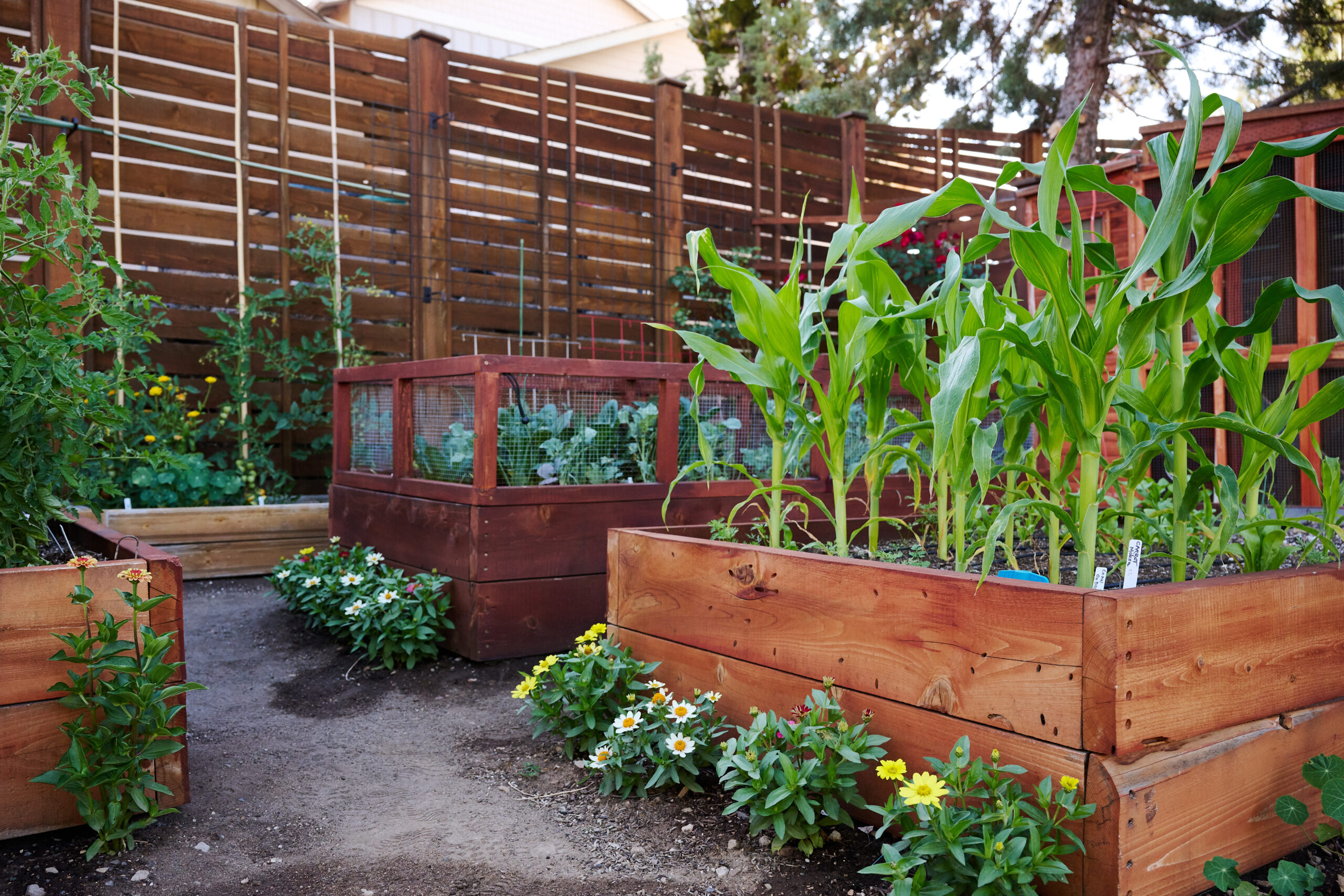
In this edition of the Lincoln County Gardner, guest host Larry King talks with Master Gardeners Kathy Burke and Terry DeJongh about a series of classes the the Lincoln County Master Gardeners are presenting to help everyone grow vegetables at home..
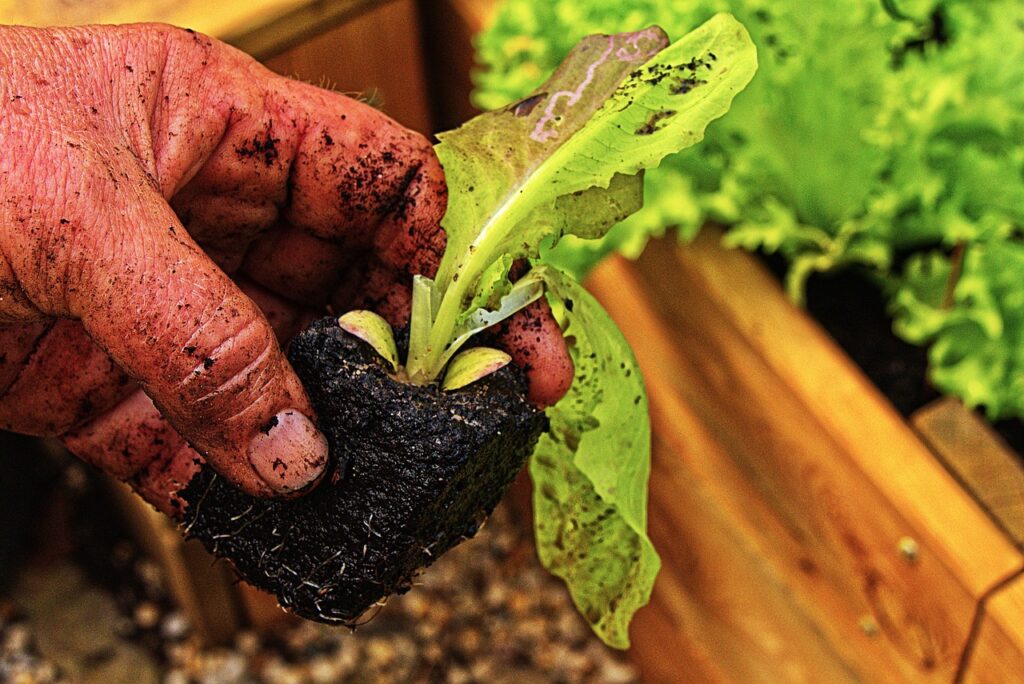
During the series you'll go from seed selection all the way through the growing season. Featured image by Joe Kline, by permission. Lettuce planting Image by Wolfgang Eckert from Pixabay.
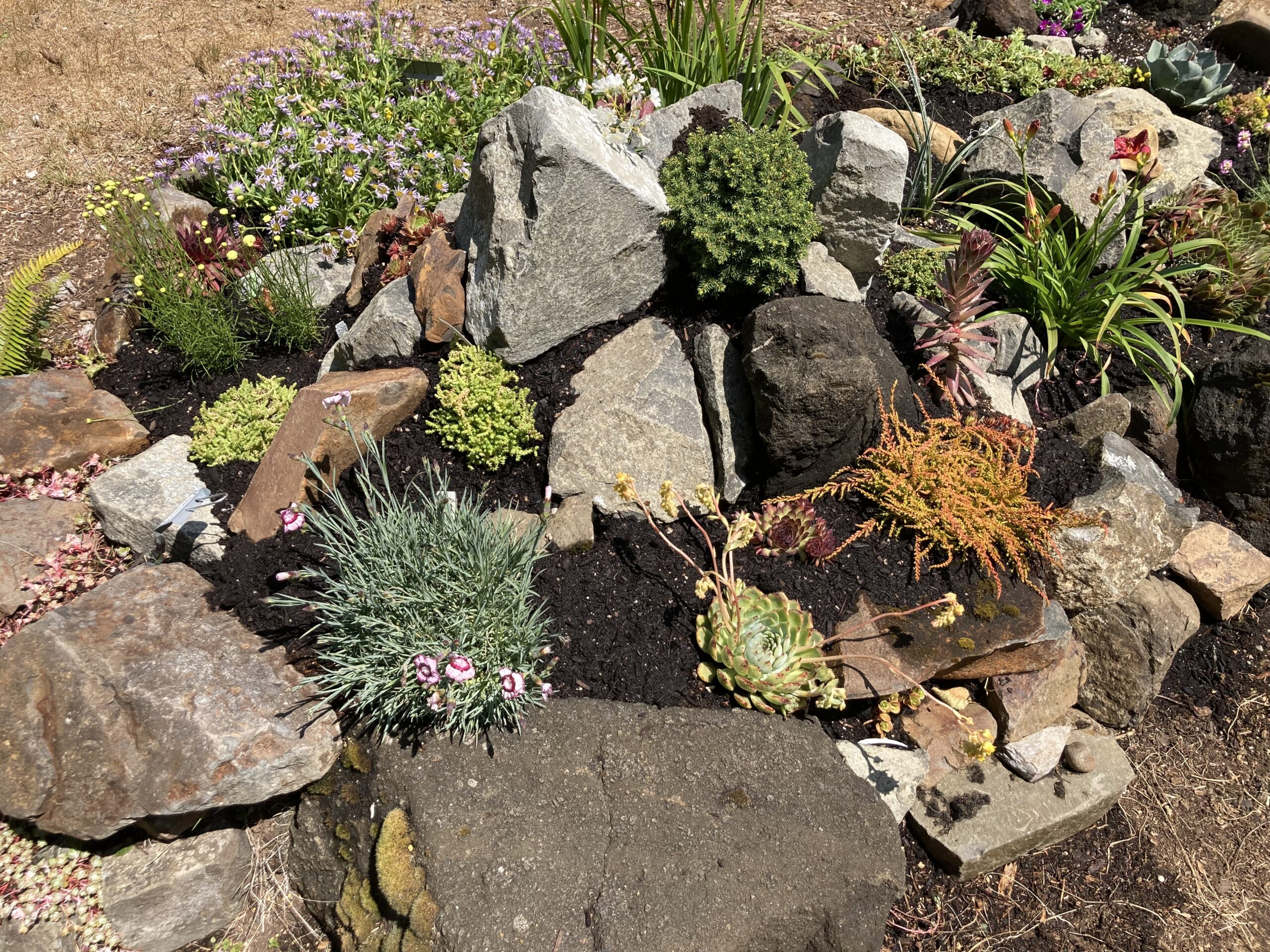
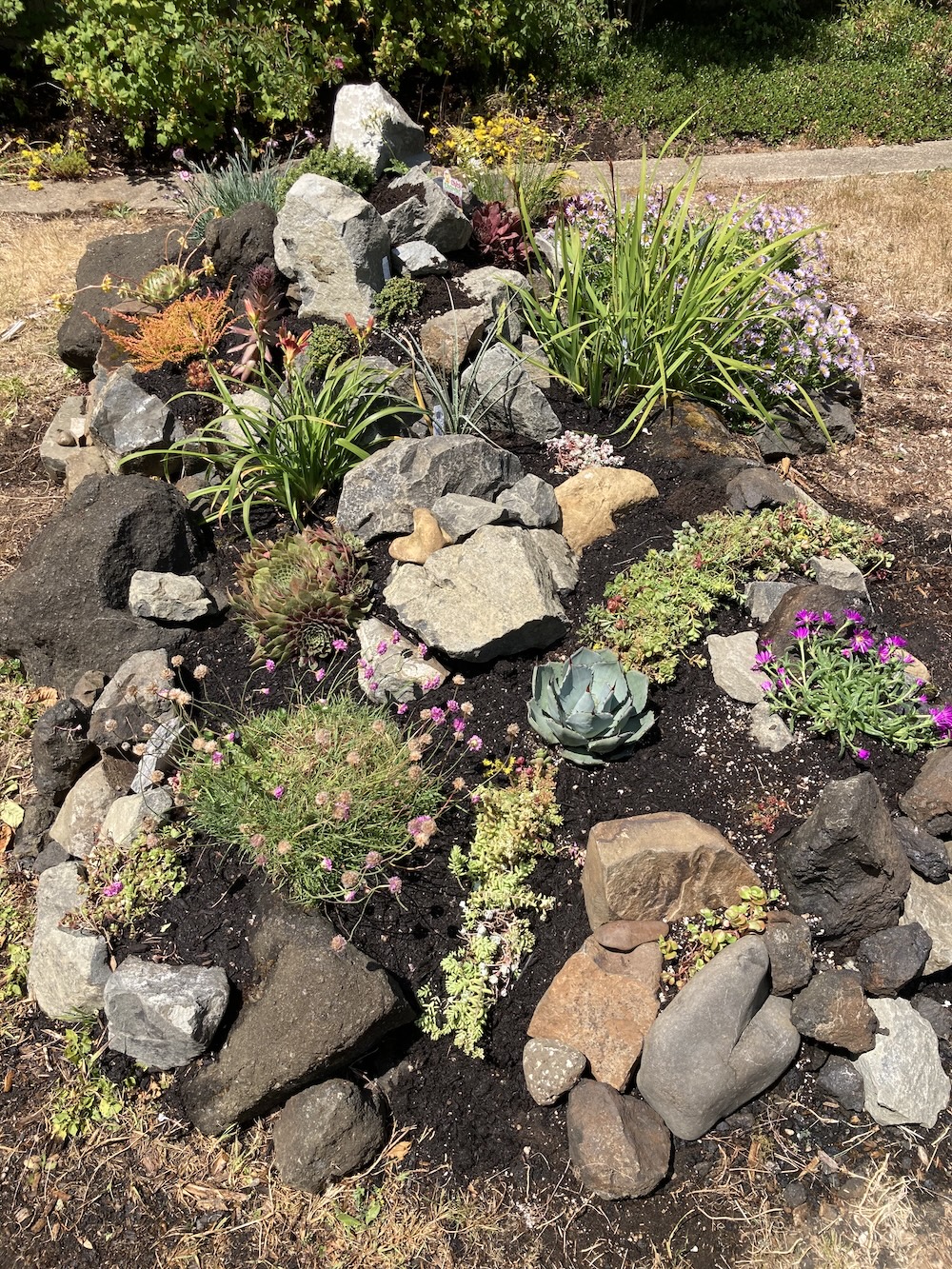
In this edition of the Lincoln County Gardner, Ross McCann talks with Master Gardener Larry King about rock gardens. Learn about the many types of rock gardens and the basics of construction and plant selection.
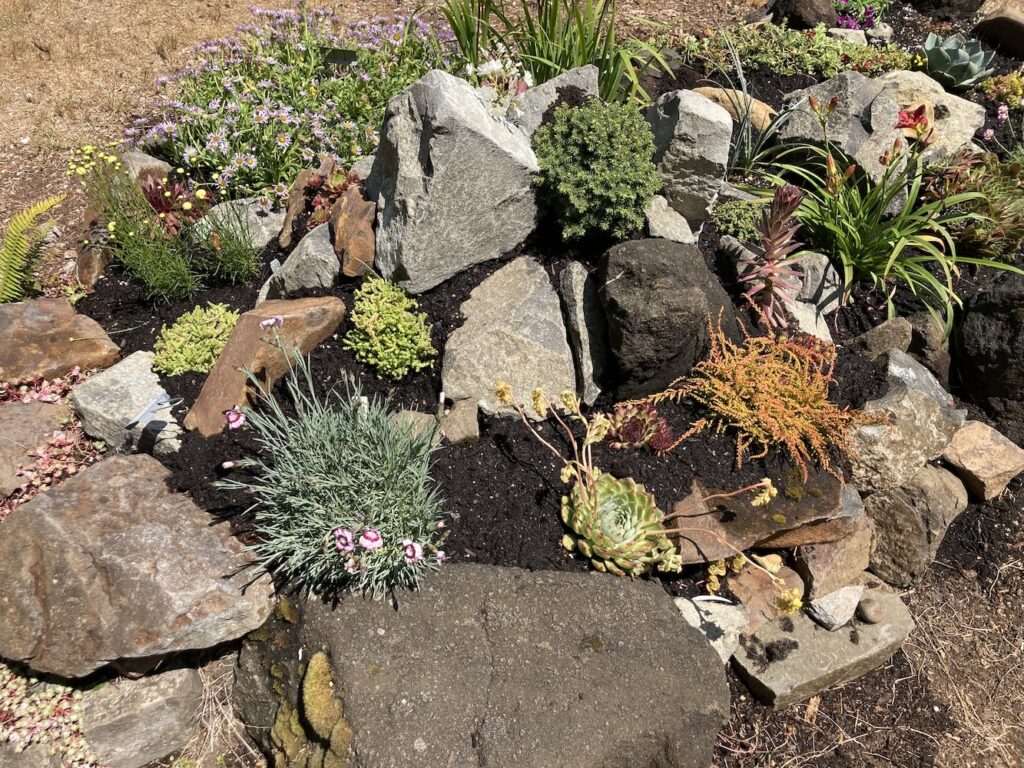
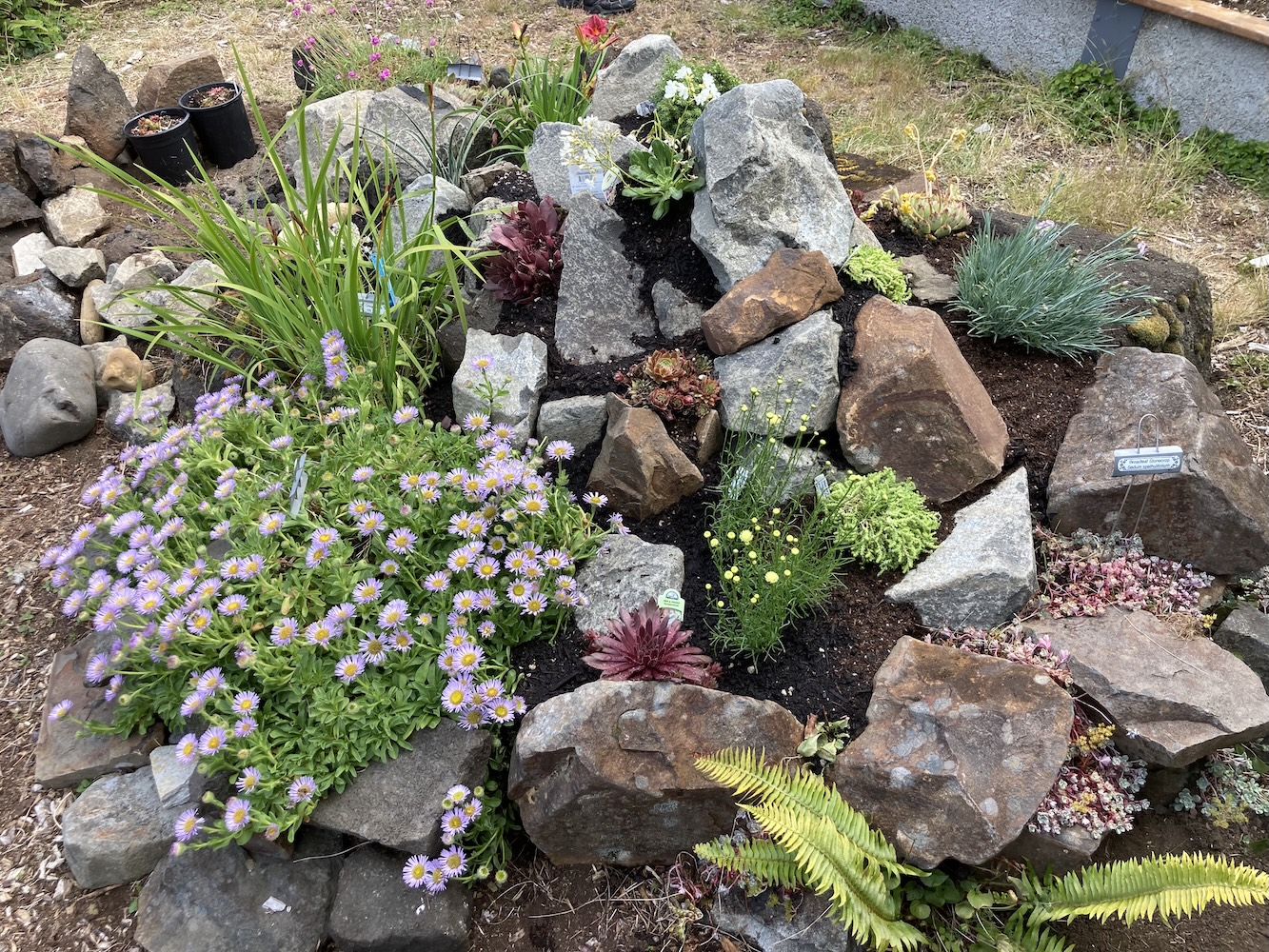
Here's a photo of the refurbished rock garden in the South Beach OSU demonstration garden. Note the rocks (underpinned by cement blocks) to give height and interest in the background. All photos by Larry King and used with permission.
The view from the other side shows how we incorporated some of the existing native plants: Seaside Daises (Erigeron glaucus left, lower) and Oregon Iris (Iris Tenax left, upper). In the center of the picture, with small yellow flowers is Lavender Cotton (Santolina chamaecyparissus). It soon took over the end of the rock garden and needed regular pruning to keep it in check.
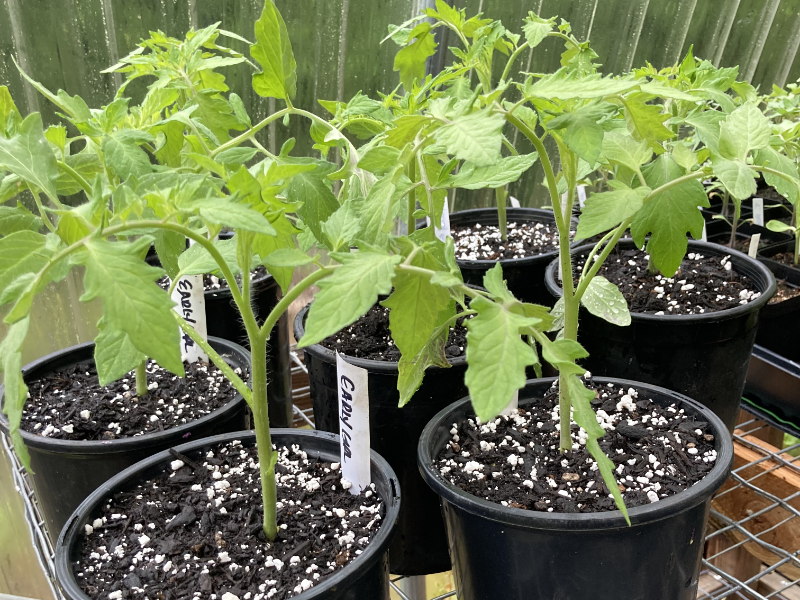
In this edition of the Lincoln County Gardner, guest host Larry King talks with Master Gardener Tom Green about how he uses his new greenhouse. They share tips and tricks for growing vegetables in the greenhouse environment.
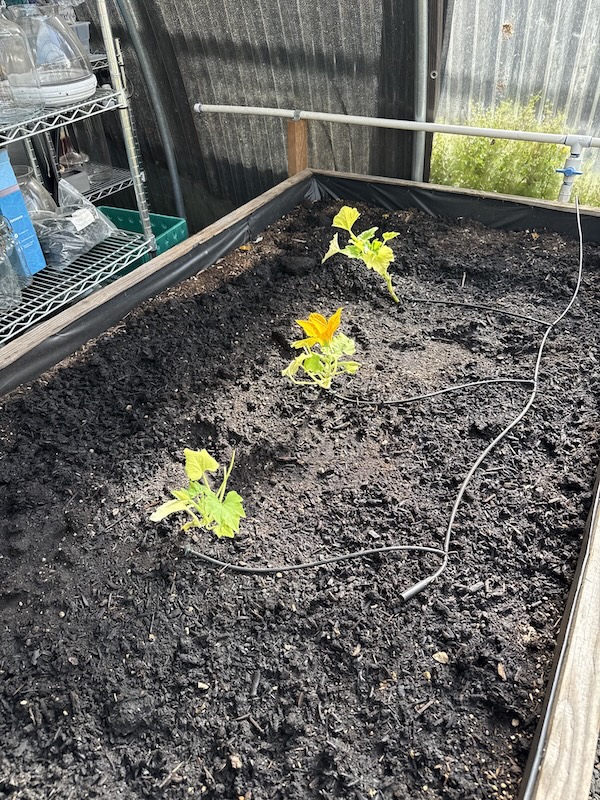
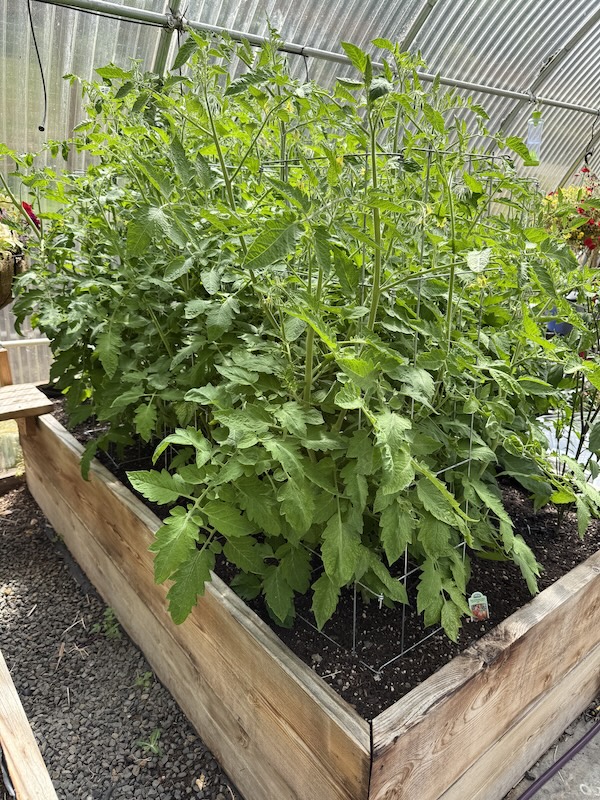
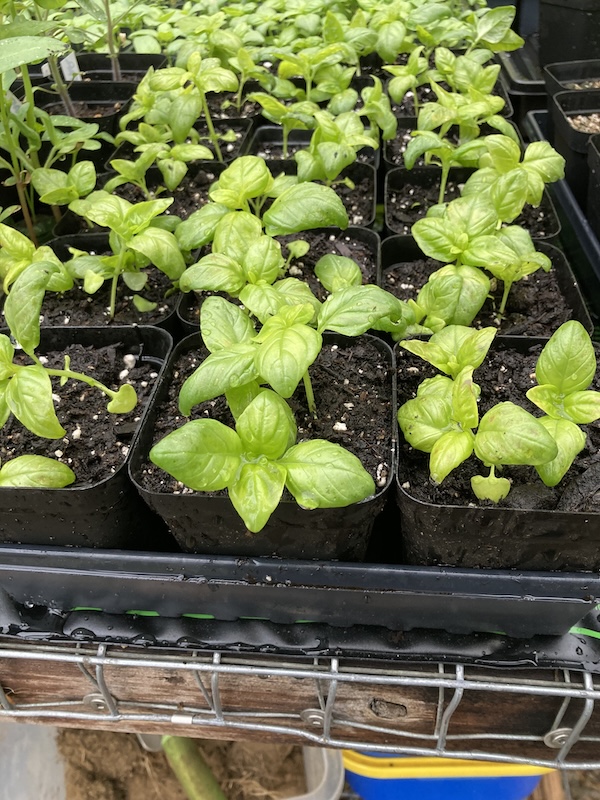
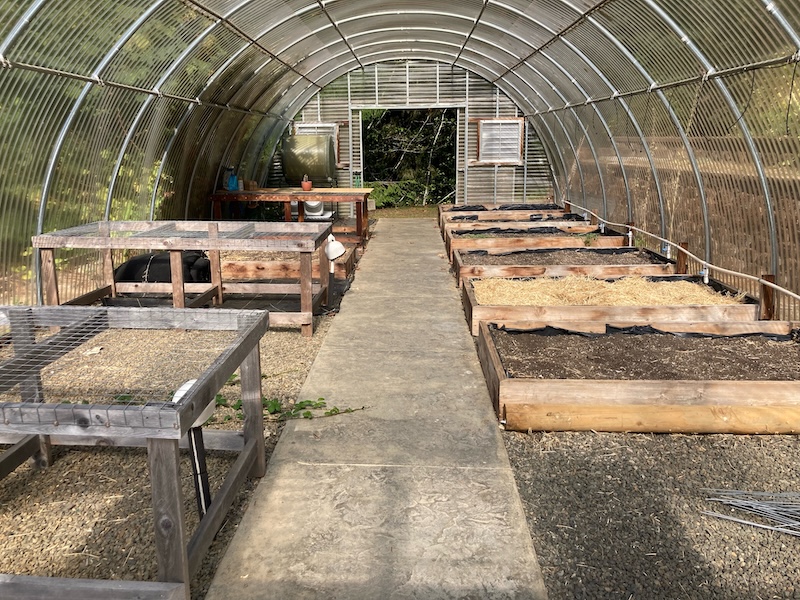
Here are some samples of plants growing in Larry King's hoop-house style greenhouse (photos courtesy of Larry King). Featured image of tomato starts, also by Larry King.
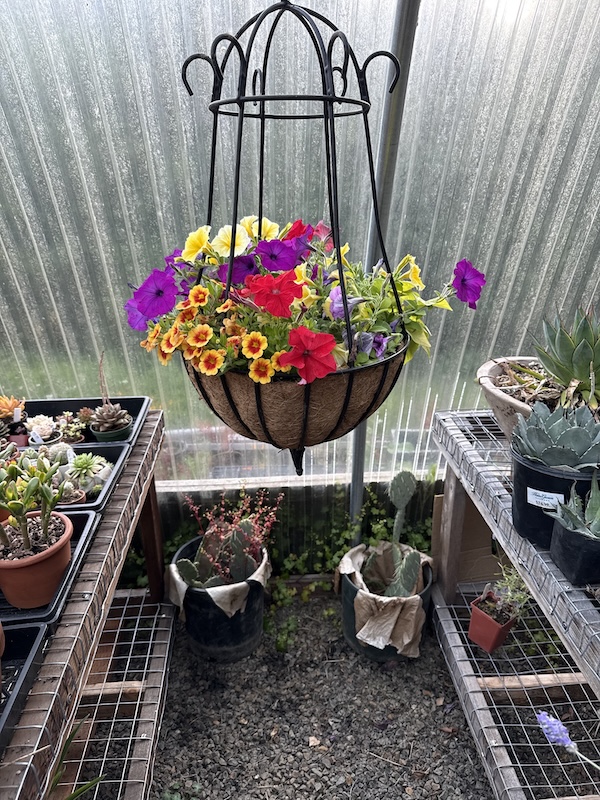
It's a big raised bed, but 3 zuchini plants will fill up this space in no time. Note the drip lines. They are on a timer that will provide just the right amount of water with no waste.These determinate tomatoes got 6 feet tall even before they started setting fruit. Things can get big and tall in a greenhouse. Plan accordingly.Even tender warm-weather plants like basil can be started in an unheated greenhouse. Visible beneath the planting tray is a thermostat-controlled heating mat to ensure the soil stays warm. These were grown for the Lincoln County Master Gardner Plant Sale (held in May every year).Of course, your greenhouse is not limited to vegetables. They're a great place to overwinter succulents and wonderful for starting your hanging baskets and annual garden flowers early.
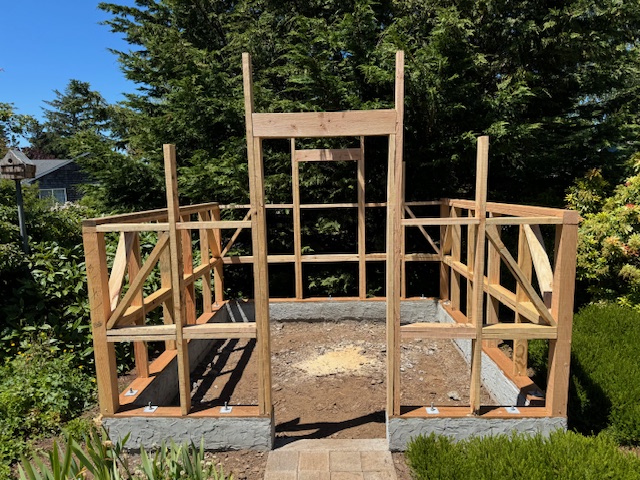
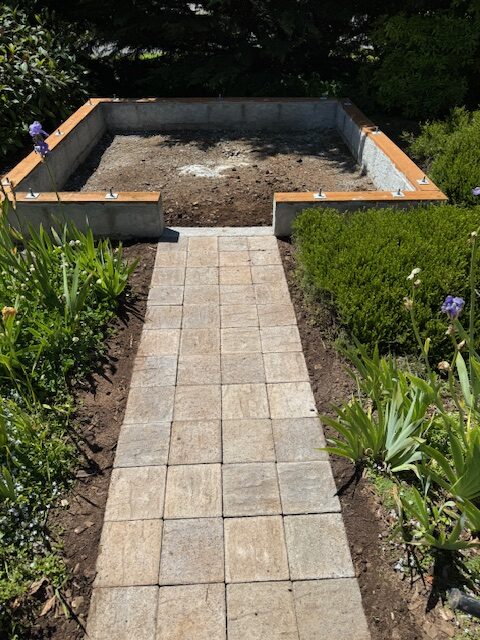
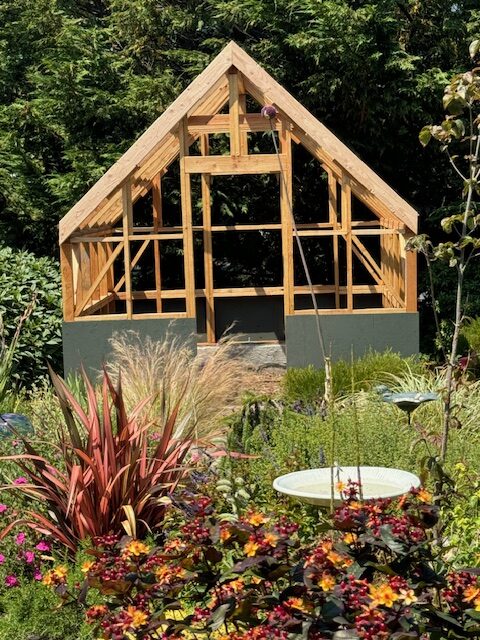
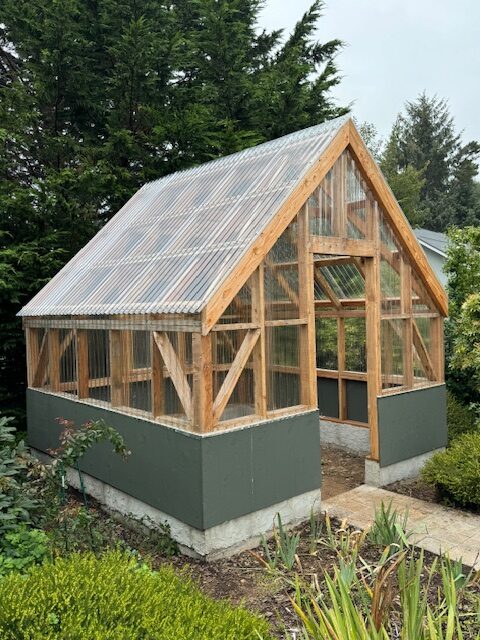
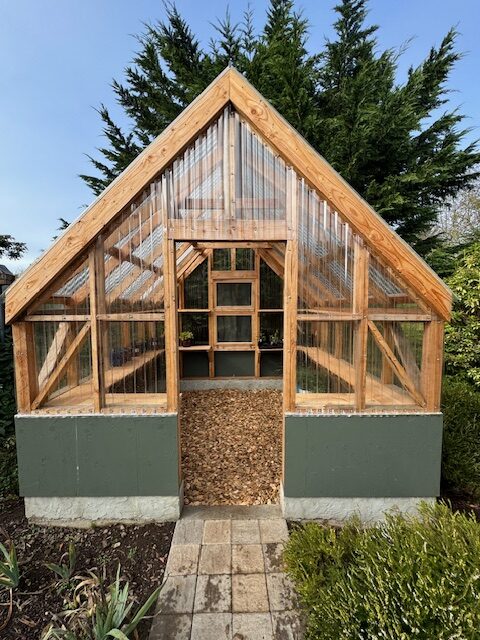
In this edition of the Lincoln County Gardner, guest host Larry King talks with Master Gardener Tom Green about building a greenhouse to extend the growing season here in Lincoln County.
Tom Green's Greenhouse from foundation to finished product. Photos courtesy of Tom Green.
Larry King's greenhouse, illustrating the hoop-house style of construction (image provided by Larry King).