In this edition of the Lincoln County Gardner, host Ross McCann talks with Master Gardener Tom Green, Co-Lead at the OSU Demonstration Garden in Waldport. This year's focus is on public exhibits to provide more information to local gardeners. You'll find out more about composting, water-wise gardening and vertical gardening.
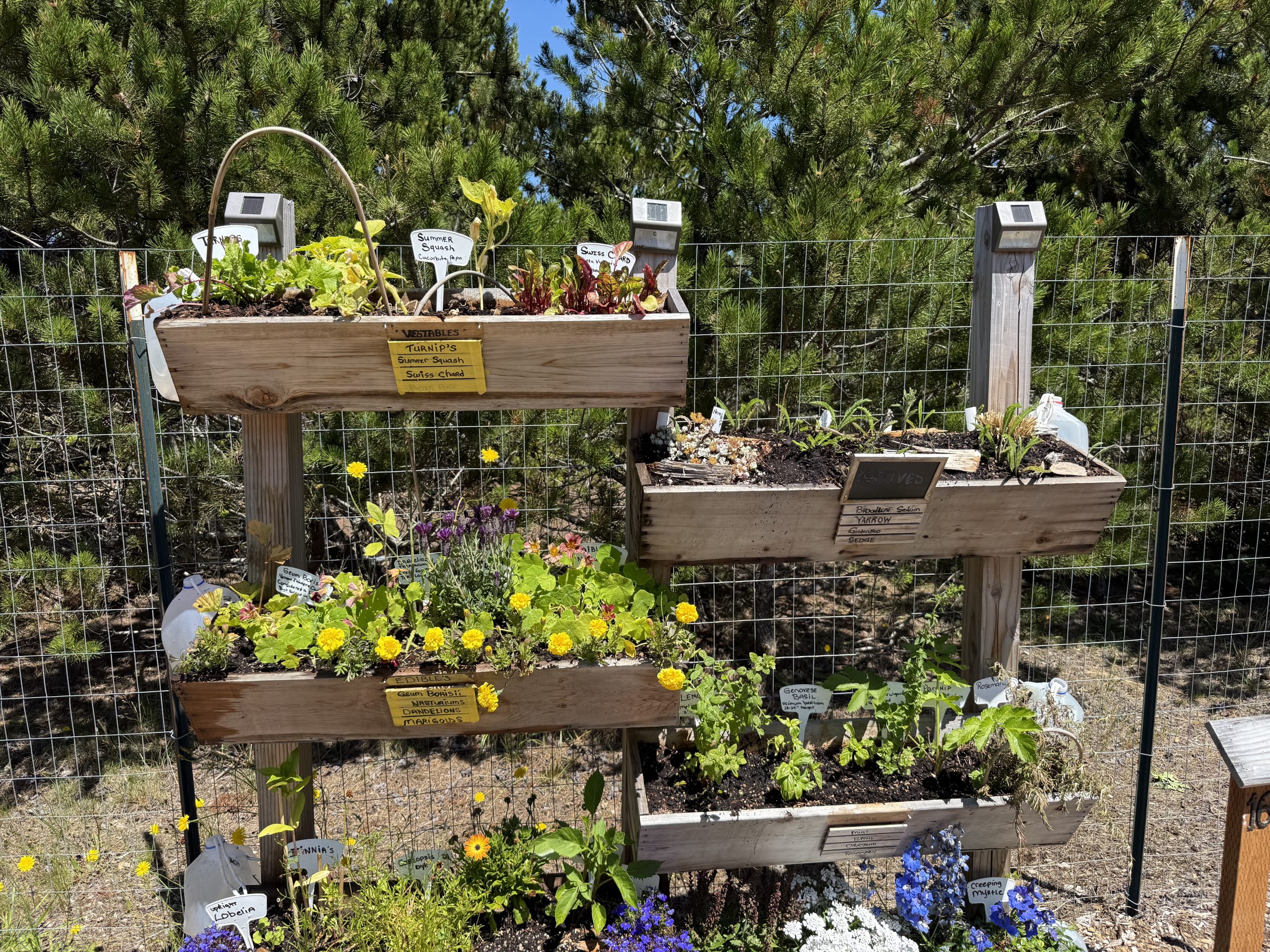
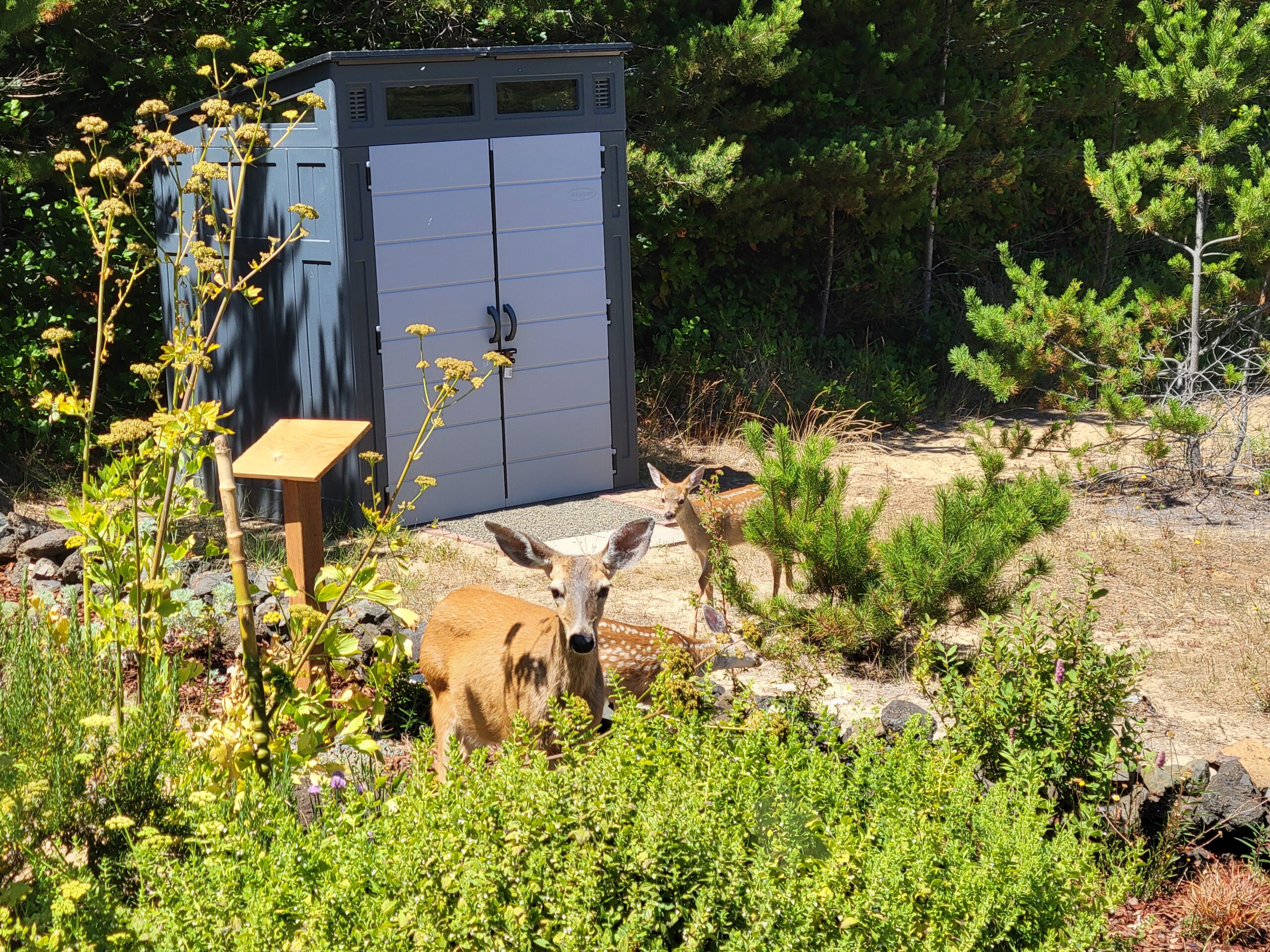
The "vertical" garden exhibit in Waldport. This year, the concept will be expanded in several ways. All images by Larry King.This tank ensures that the garden can be watered with rainwater rather than using the public water system.
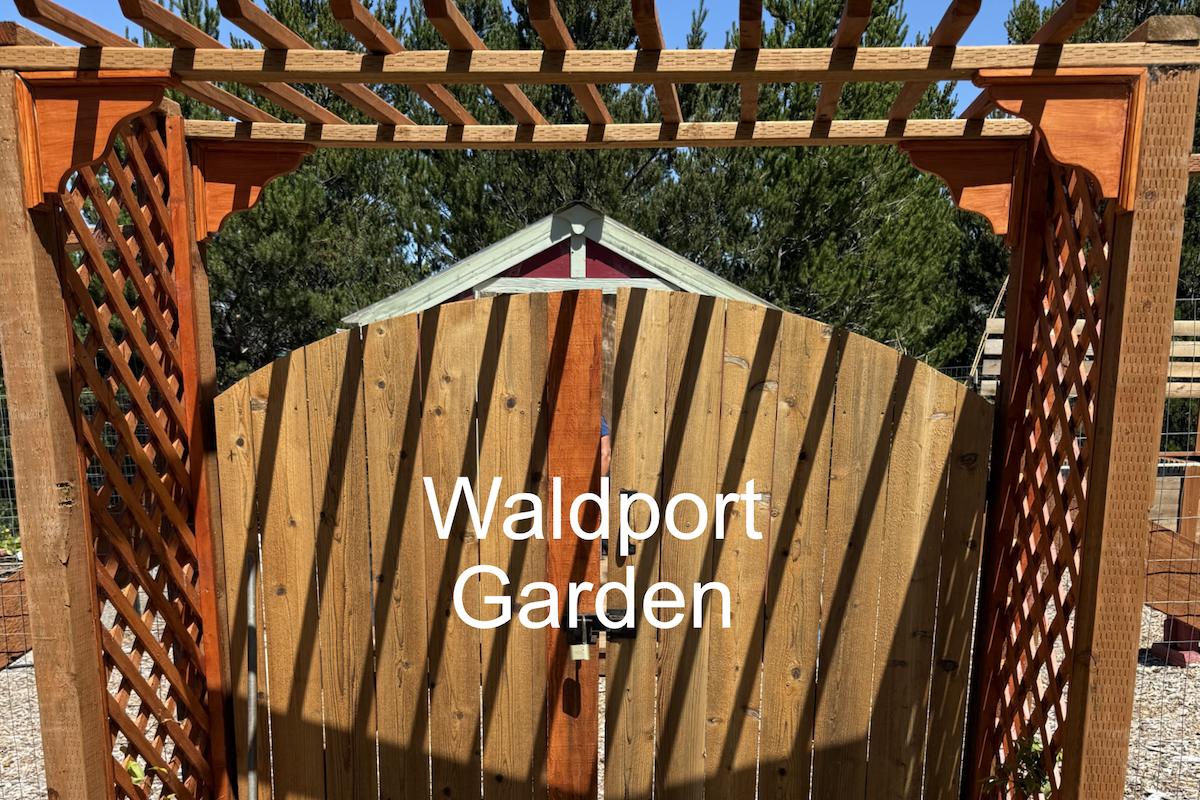
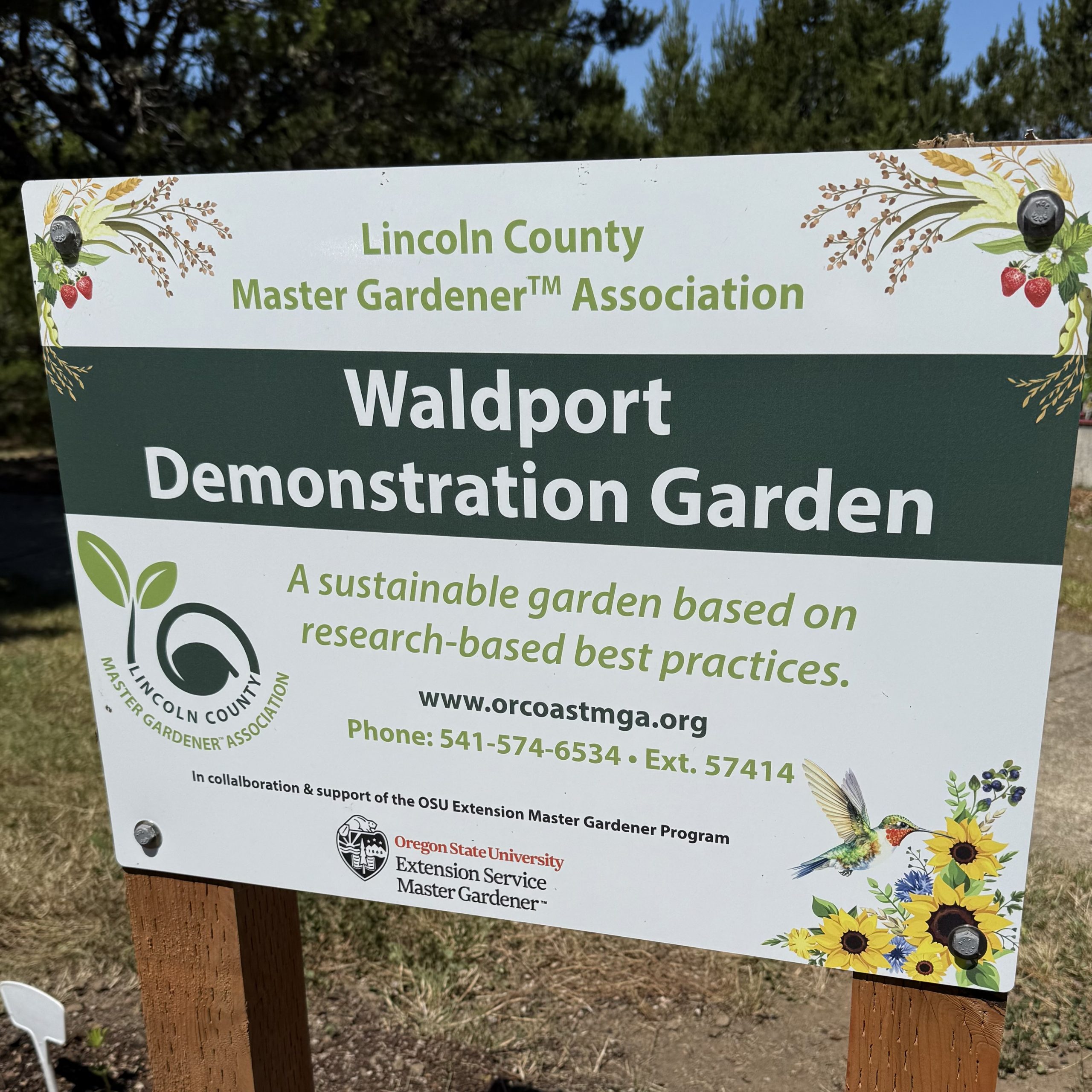
In this edition of the Lincoln County Gardner, host Ross McCann talks with Master Gardener Tom Green, Co-Lead at the OSU Demonstration Garden in Waldport. You'll learn about the garden, its construction and what's going on.
The "vertical" garden exhibit in Waldport. All images by Larry King.Raised bed illustrating "Square Foot" gardening.
In this edition of the Lincoln County Gardner, host Ross McCann talks with Master Gardener Joan Crall about starting vegetables from seed. It's a way to save money and extend the growing season by starting seeds early, indoors. If growing from seed isn't your thing, there's a large selection of vegetable starts at the annual Master Gardener™ Plant Sale. It's on 5/16/2026 at the Armory in Newport, Oregon.
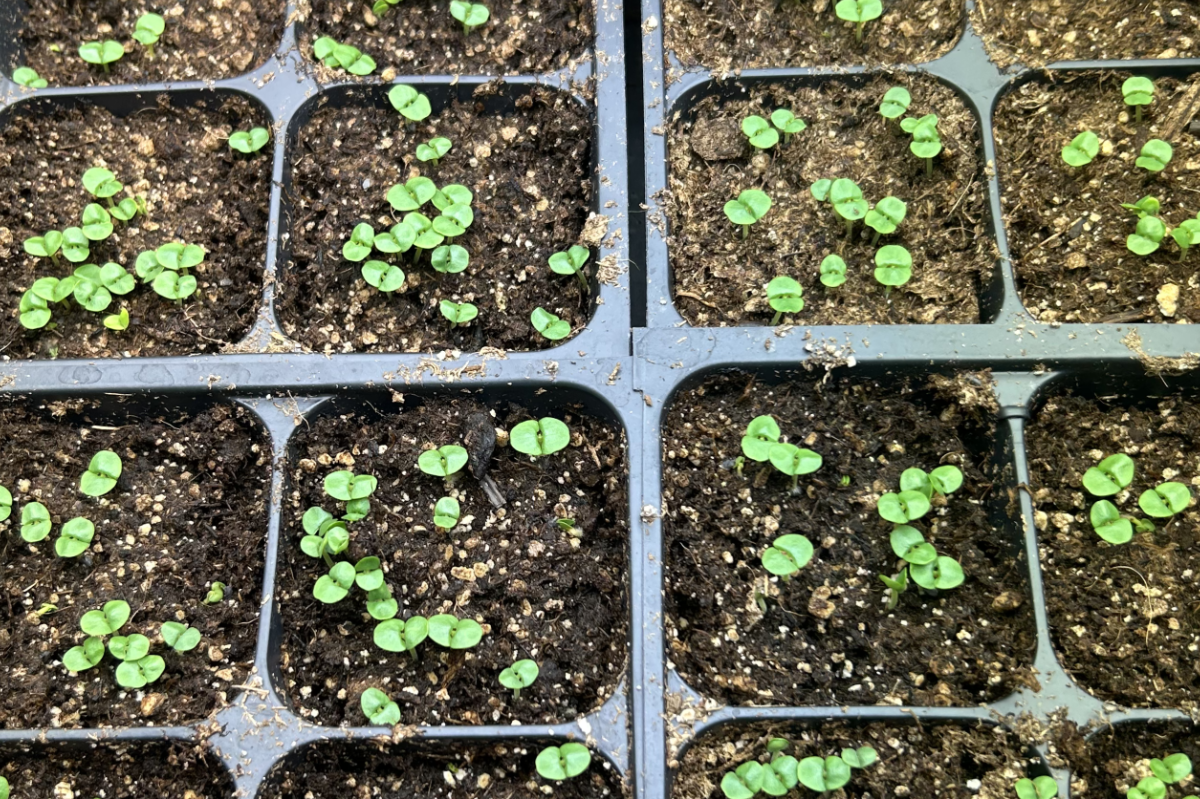
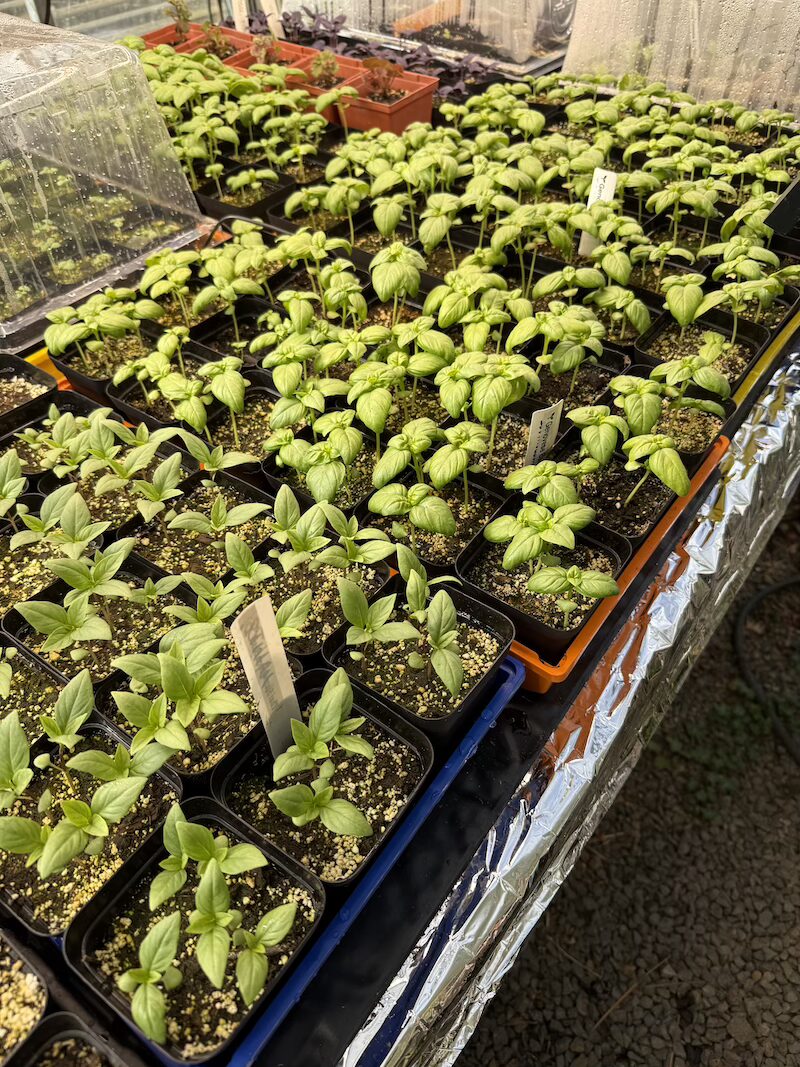
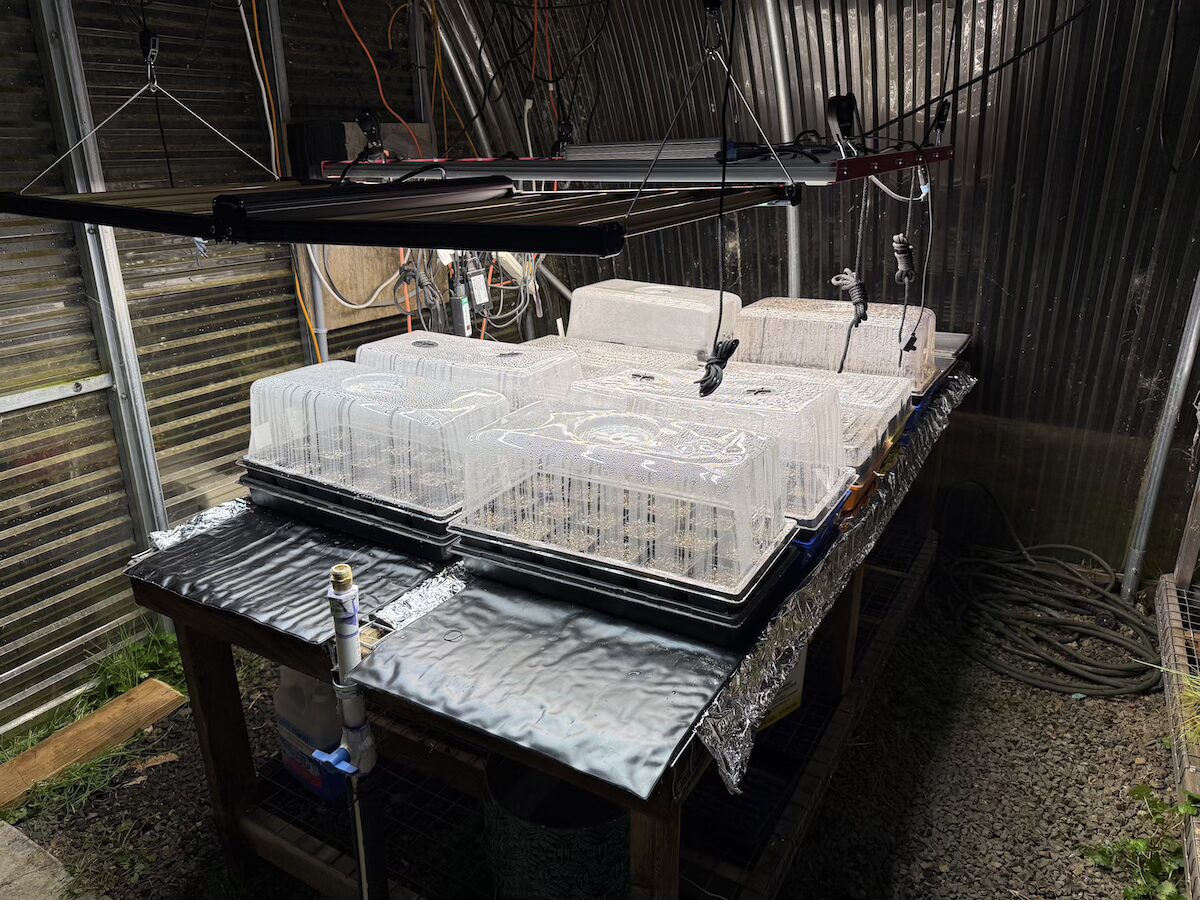
Flats of basil. These have all sprouted and have true leaves. They no longer need the domes or heating mats. All images by Larry King.A large seedling set-up with heating mats, domed flats of seeds awaiting germination and overhead lights to boost growth.
In this edition of the Lincoln County Gardner, host Ross McCann talks with Master Gardeners Kathy Burke and Terry DeJong, leaders of the Lincoln City OSU Demonstration Garden. They talk about yard design with a specific purpose: A Sensory Garden.
Ross mentions frost dates in the "Garden Tips" section. You can find frost dates for your location in Lincoln County here.
Local Lincoln City residents enjoying the Sensory Garden. Photo from Terry DeJong. Featured Image by MarionF from Pixabay.
In this edition of the Lincoln County Gardner, host Ross McCann talks with Master Gardener Marlene Shapiro about starting tomatoes suitable for growing along the Oregon Coast. If growing your own isn't for you, there's a large selection of tomatoes at the annual Master Gardener™ Plant Sale. It's on 5/16/2026 at the Armory in Newport, Oregon.
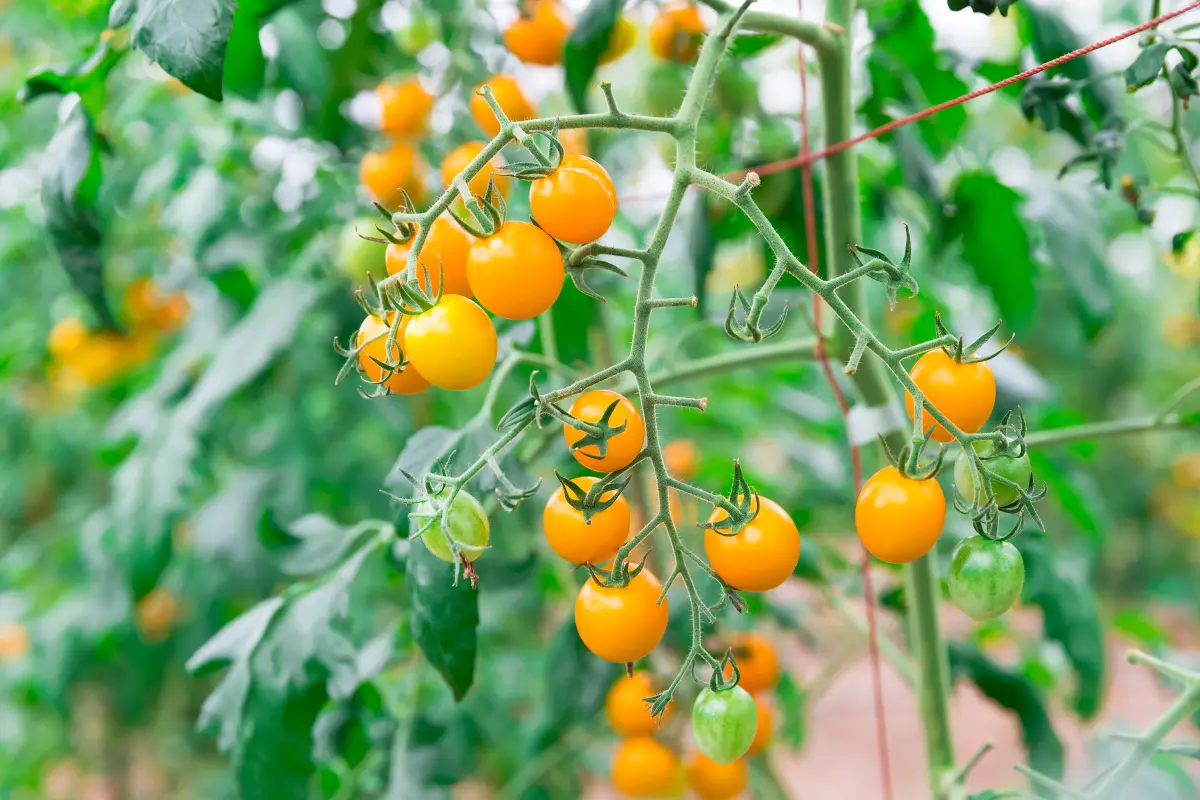
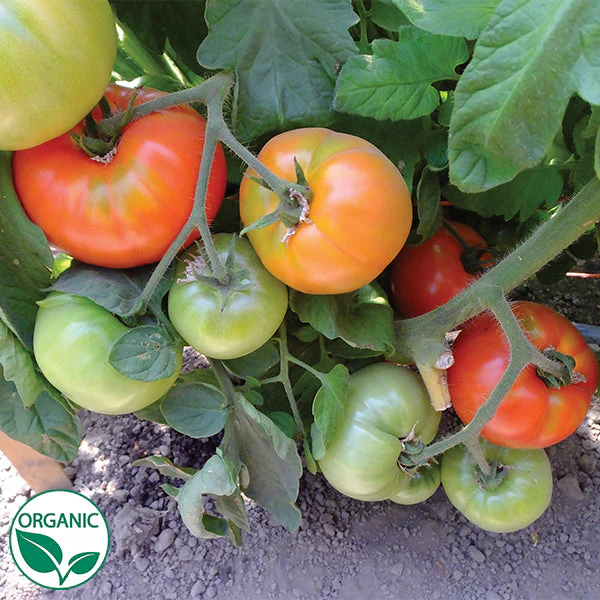
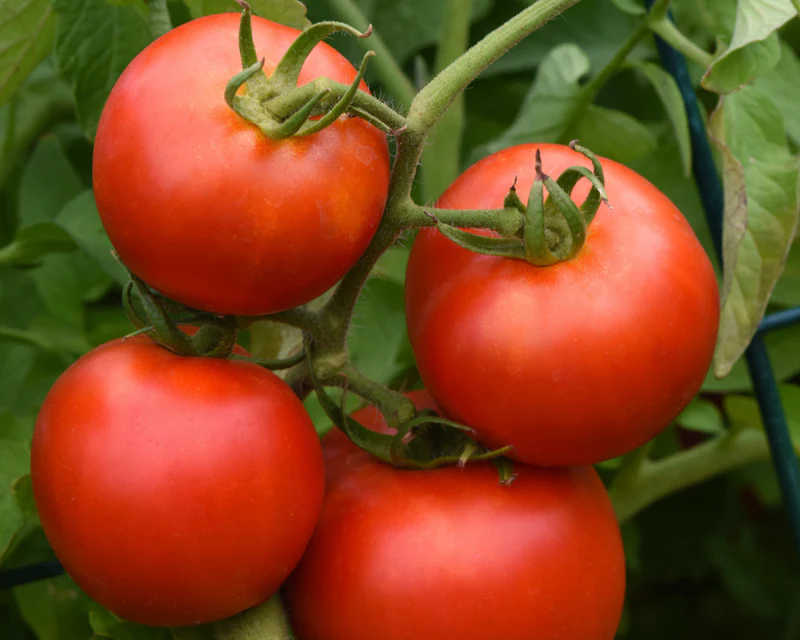
'Siletz' tomatoes are mid-season and determinate slicers; Image courtesy of Osborne Seeds. Featured Image of the ever-popular 'Sungold' cherry tomato courtesy of Victory Seeds.'Early Girl' is another great early-growing (Indeterminate) slicing tomato for growing on the Oregon Coast. Image courtesy of SeedsNSuch
For more information on growing tomatoes in Oregon, refer to Oregon State University's publication Grow your own tomatoes and tomatillos. Make sure you choose early and mid-season tomatoes for growing at the coast.
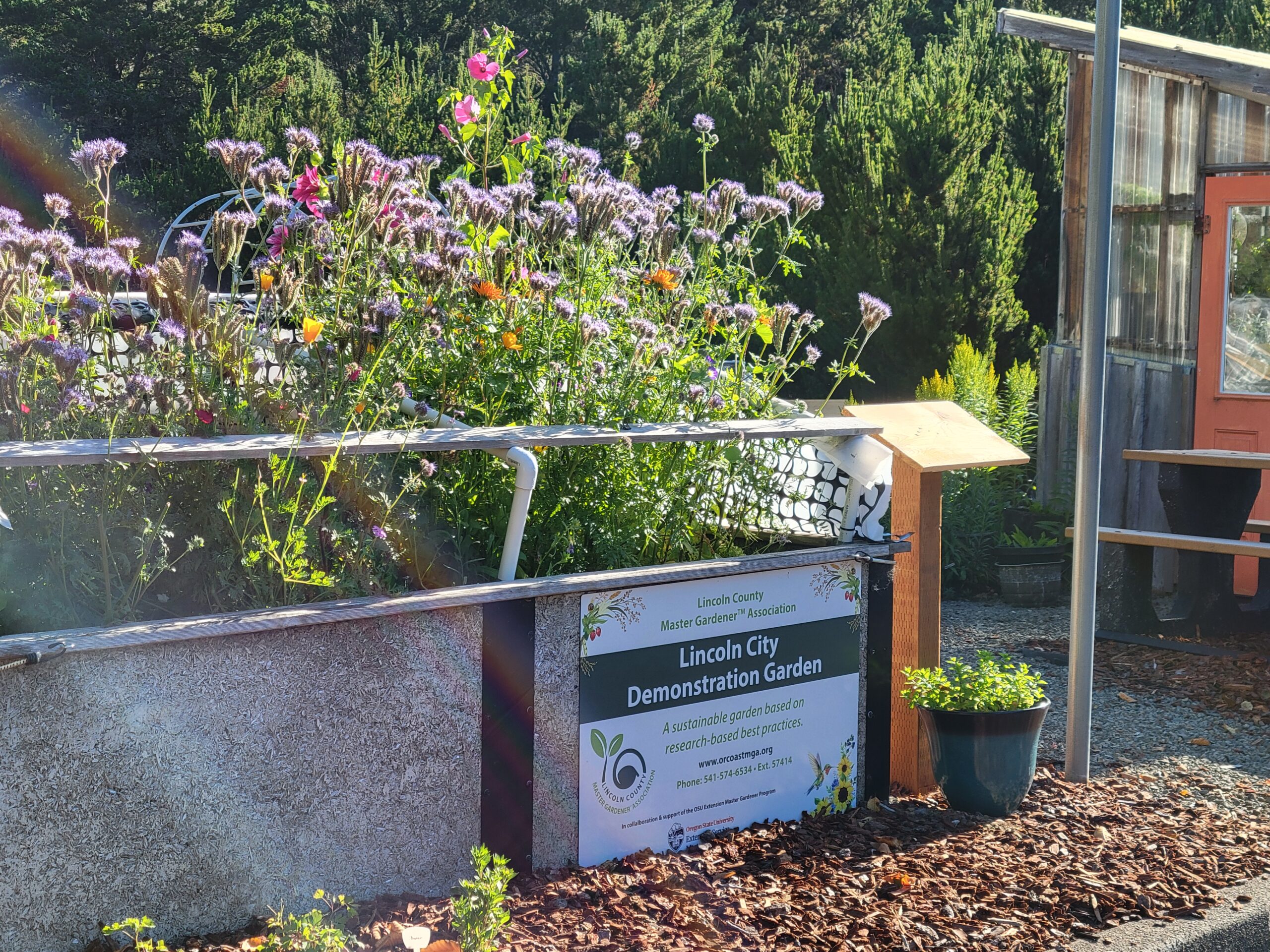
In this edition of the Lincoln County Gardner, host Ross McCann talks with Master Gardeners Kathy Burke and Terry DeJong, leaders of the Lincoln City OSU Demonstration Garden. Find out about the garden and drop by for a visit.
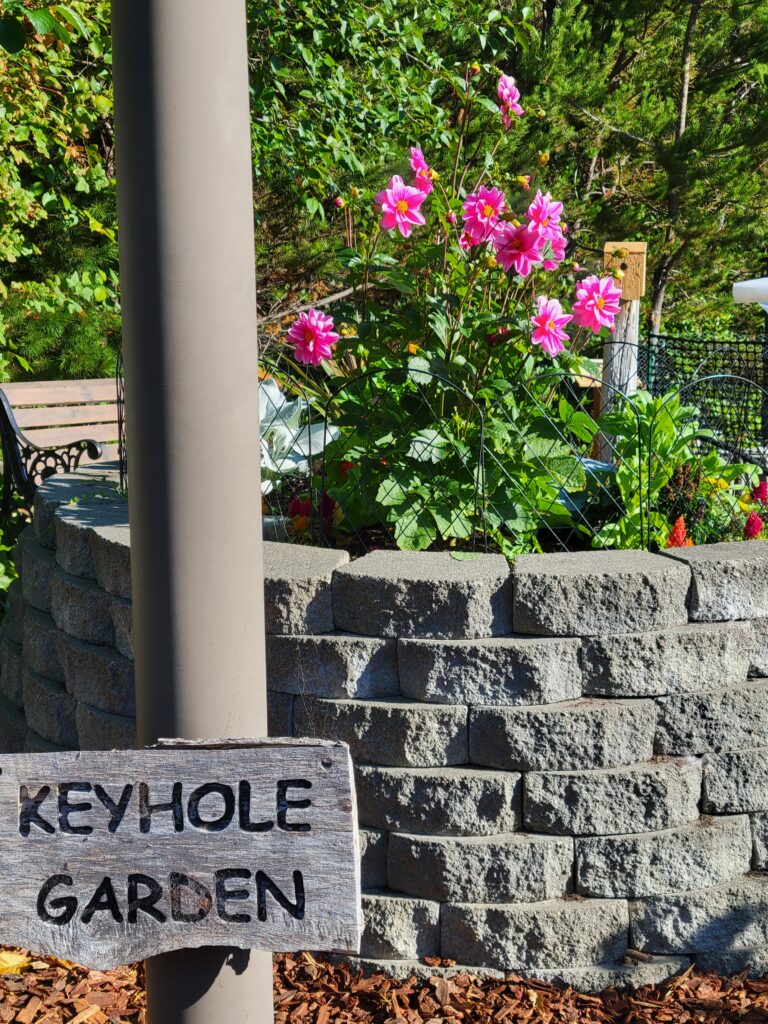
Ross mentions the KYAQ episode featuring the Keyhole garden which you can listen to here.
Local Lincoln City residents enjoying the Sensory Garden. Photo from Terry DeJong.Mary Jane Bonelitz designed, and the Lincoln County Master Gardeners built this unique "Keyhole Garden." Photo by Larry King.
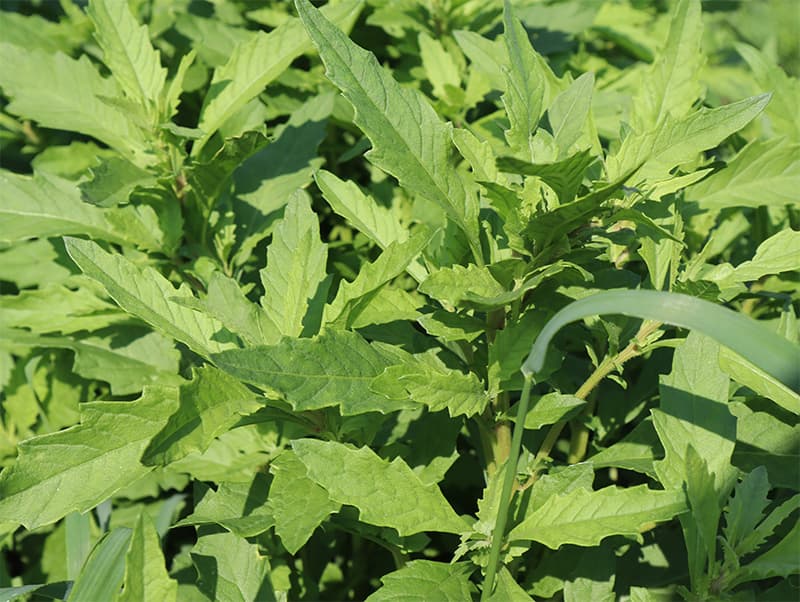
In this edition of the Lincoln County Gardner, host Ross McCann talks with Master Gardener Emilia Lacy about culinary herbs from various cultures and regions. She covers all the unusual herbs that will be for sale at the annual Master Gardener™ Plant Sale. It's on 5/16/2026 at the Armory in Newport, Oregon.
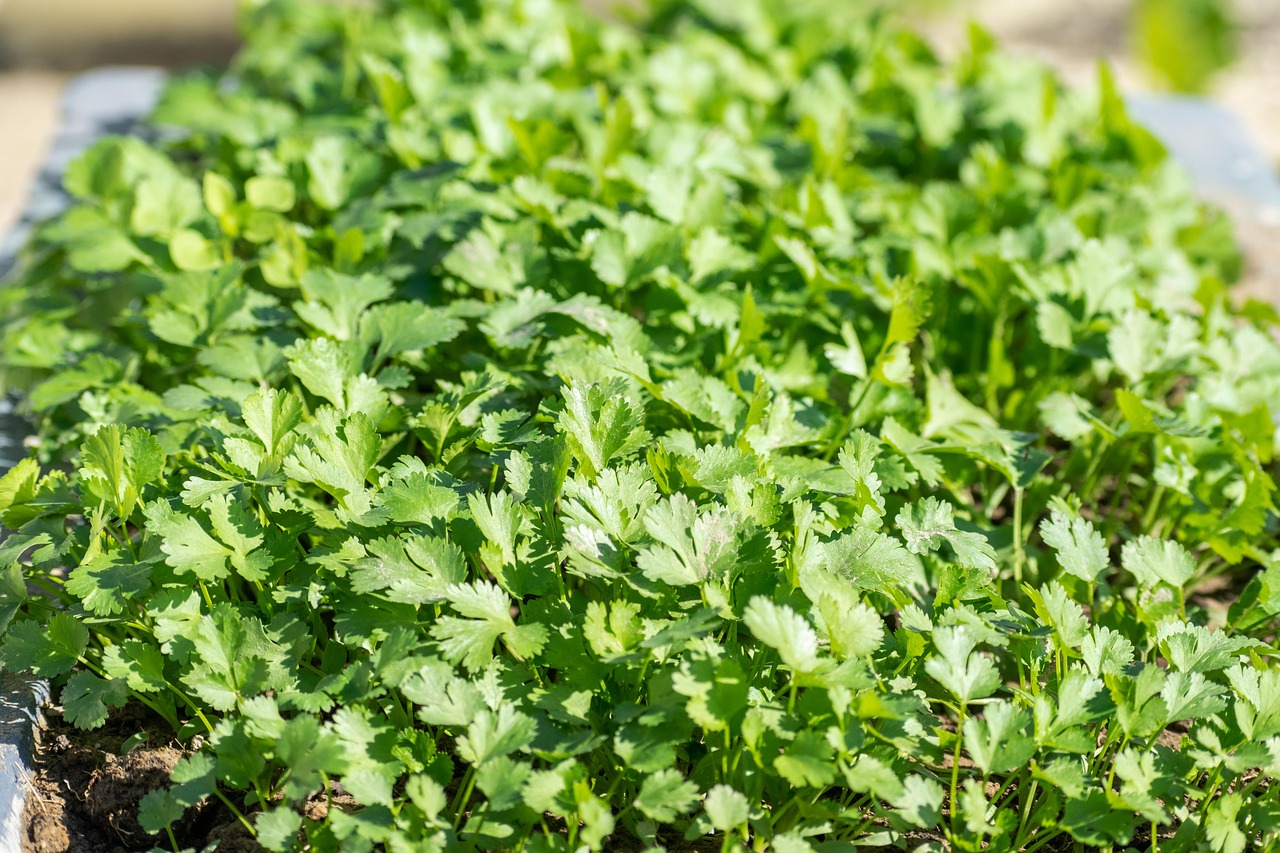
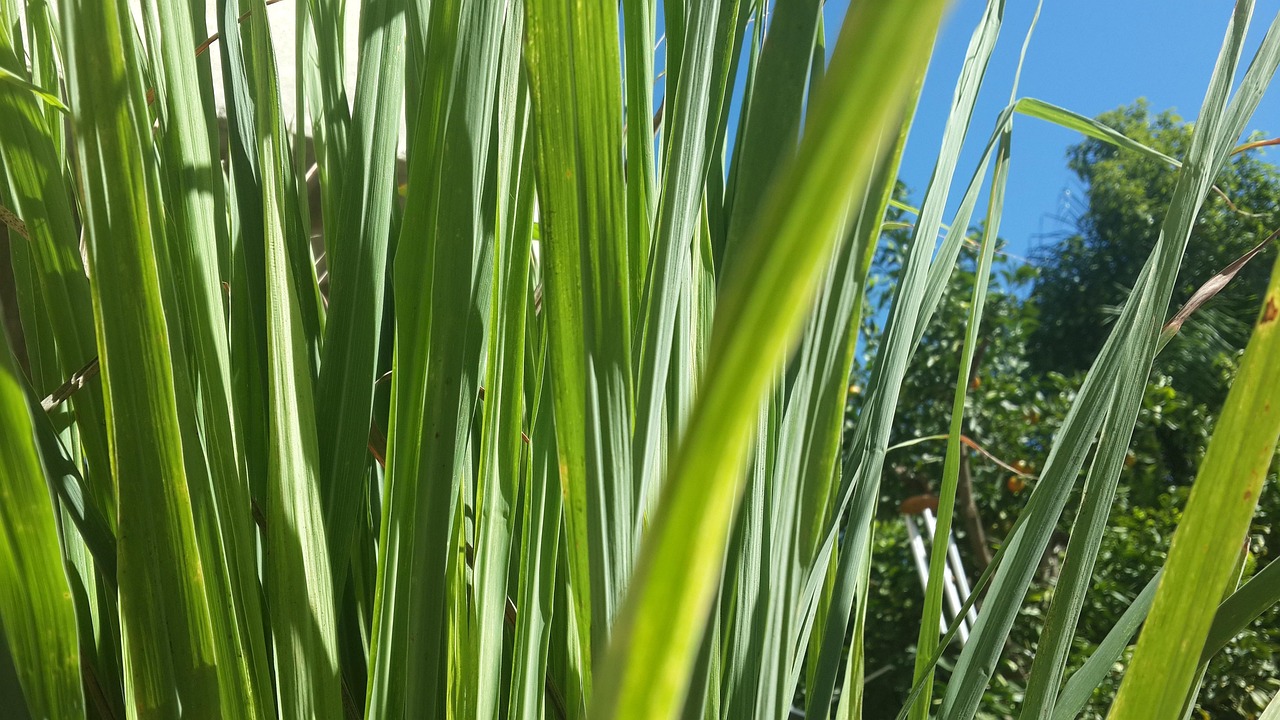
Lemon grass is hard to get started in our climate, but once established may survive all but our coldest winters in Lincoln County; Image by alon from Pixabay. Featured image of Cilantro by Rajesh Balouria from PixabayEpasote requires heat for germination, but grows quickly. Image courtesy of Heirloom Seeds.
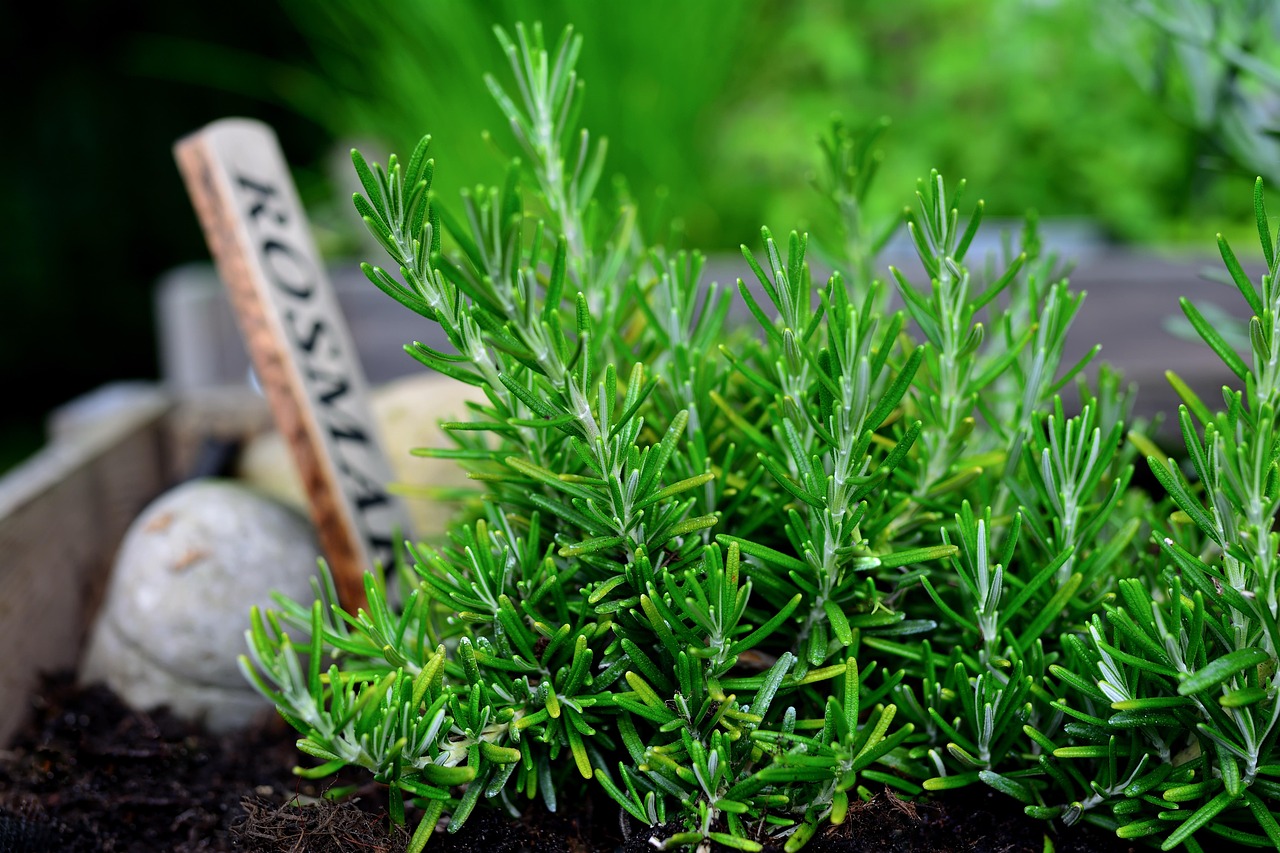
In this edition of the Lincoln County Gardner, host Ross McCann talks with Master Gardener Joan Crall about starting and growing herbs along the Oregon Coast. She explains exactly how to start herbs from seeds as well a purchasing starts. If growing your own isn't for you, there's a large selection of herbs at the annual Master Gardener™ Plant Sale. It's on 5/16/2026 at the Armory in Newport, Oregon.
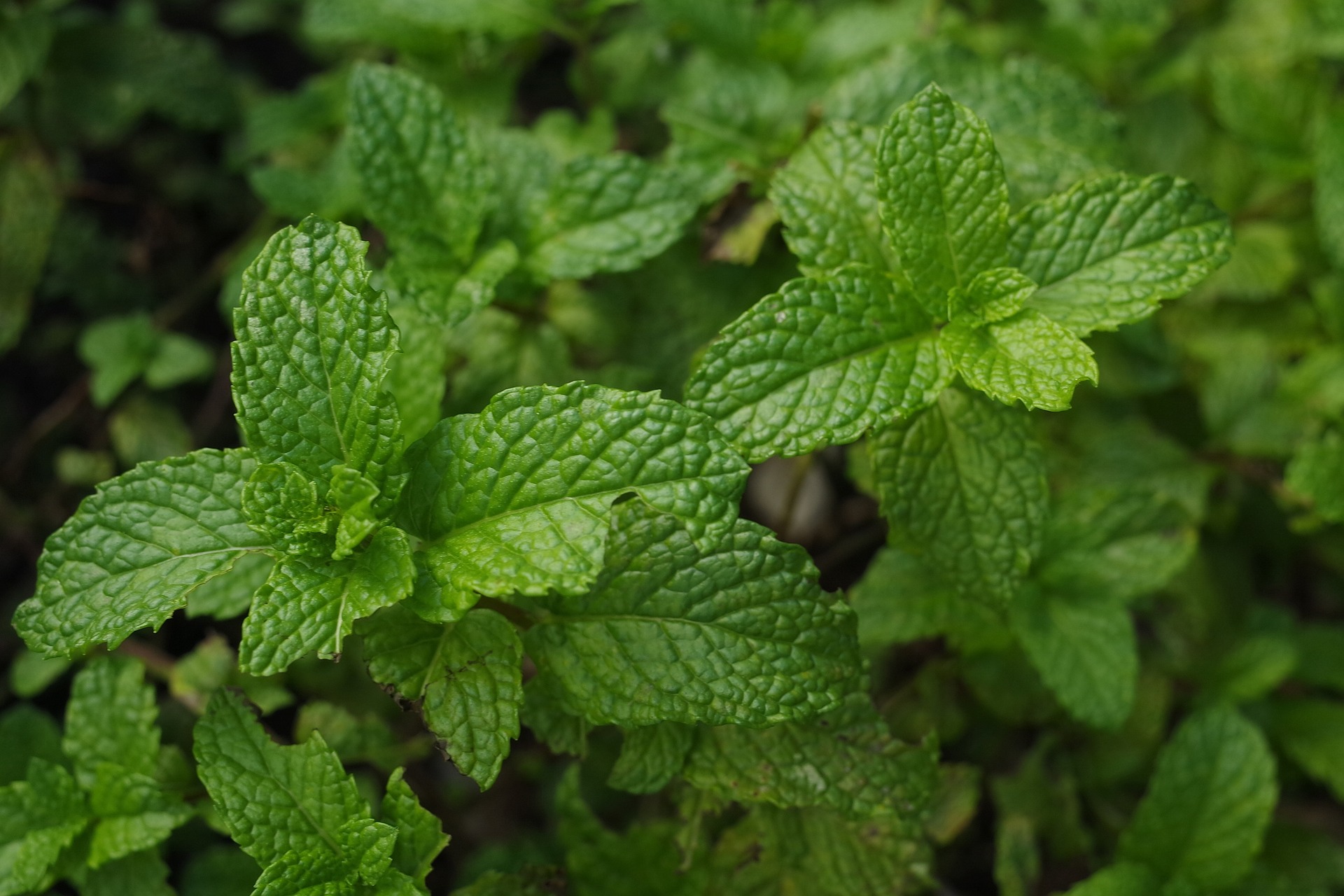
Fennel and Dill require deeper pots for their long roots; Image by Schwoaze from Pixabay. Featured image of Rosemary by congerdesign from Pixabay.For more dependable flavor, mint is better propagated by cuttings rather than seed. Image by ChrisCCP from Pixabay.
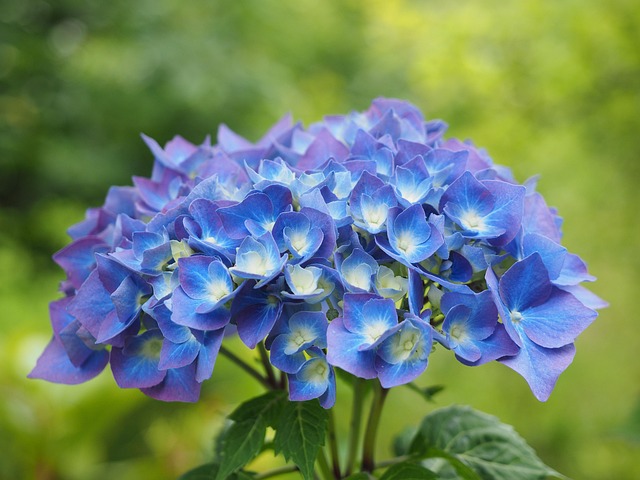
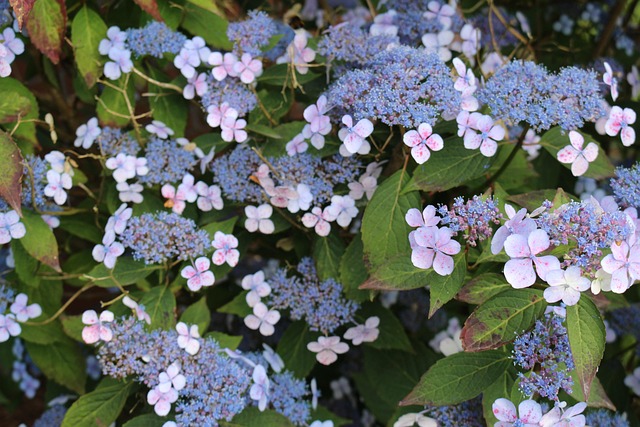
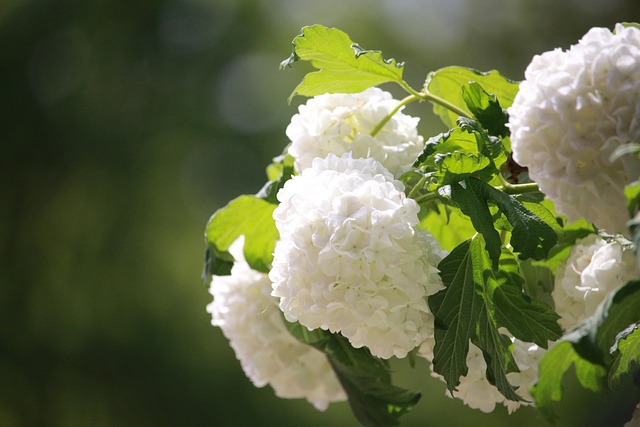
In this edition of the Lincoln County Gardner, host Ross McCann talks with Master Gardener Mary Jane Bonelitz about Hydrangeas (Hydrangea macrophylla and Hydrangea paniculata). The Oregon coast provides almost perfect conditions for this popular plant.
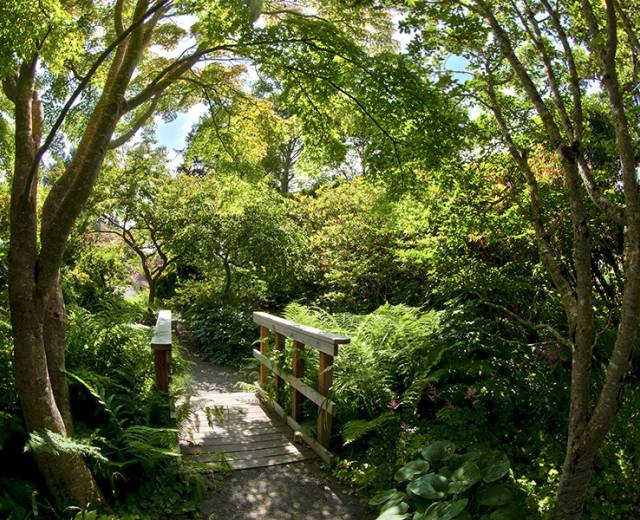
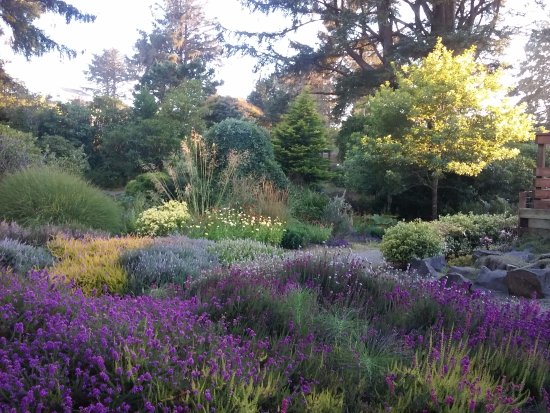
In this edition of the Lincoln County Gardner, host Ross McCann talks with Master Gardeners Cheri Rice and Terry DeJongh. They volunteer at Lincoln City's treasure, the Connie Hansen Garden.