
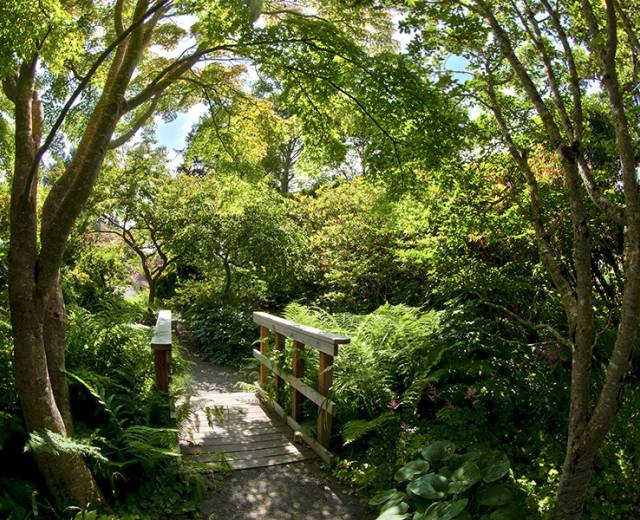
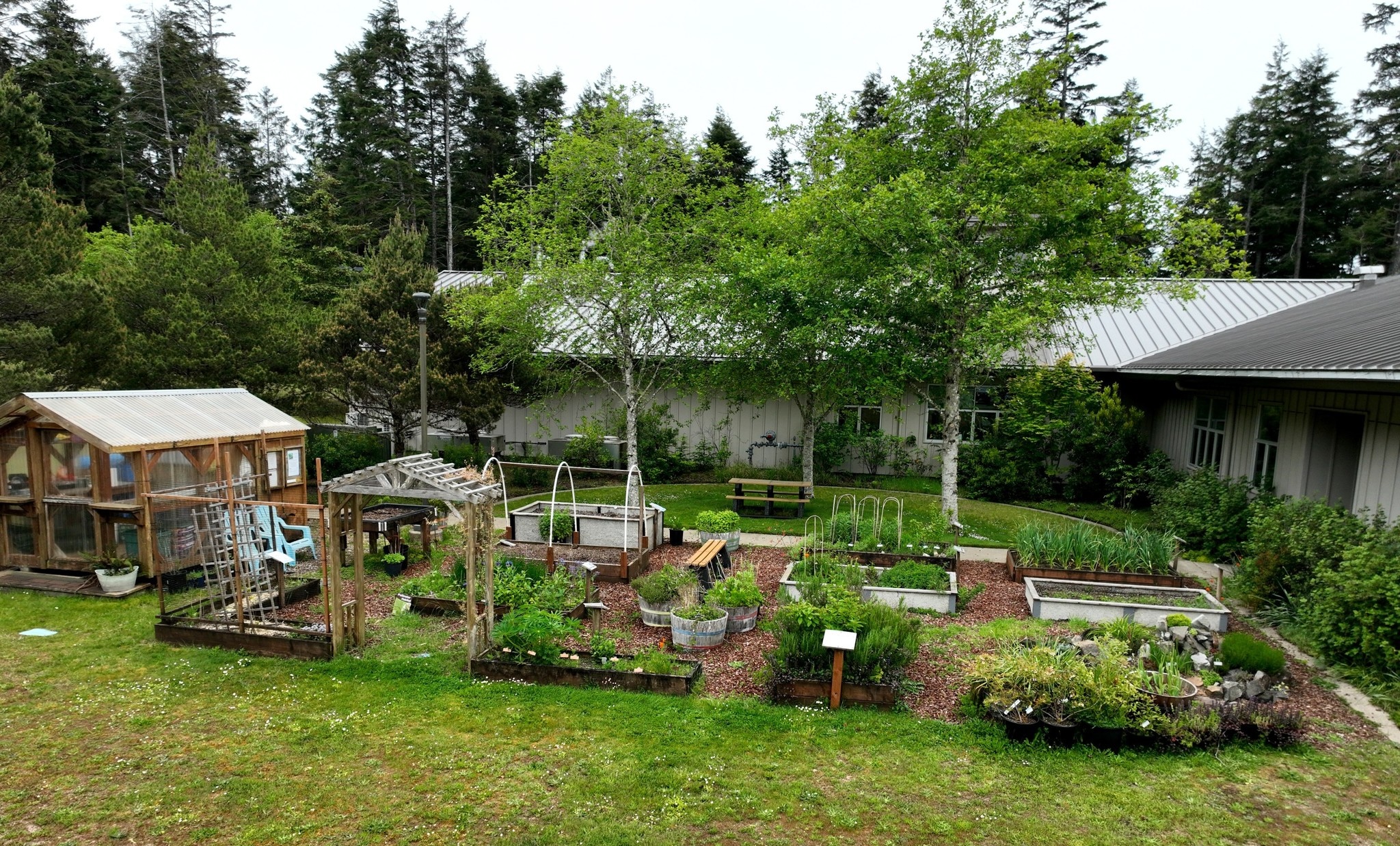
In this edition of the Lincoln County Gardner, host Ross McCann talks with Master Gardeners Cheri Rice and Terry DeJongh. They volunteer at Lincoln City's treasure, the Connie Hansen Garden.
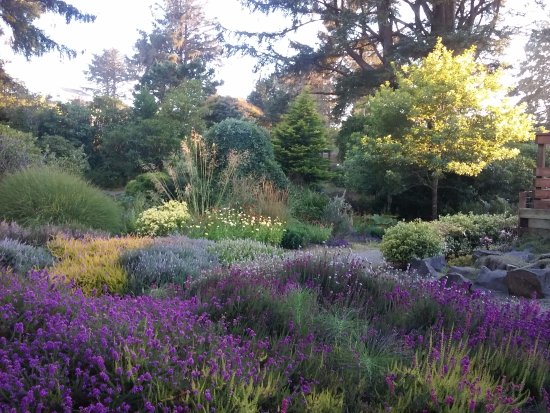
In this edition of the Lincoln County Gardner, host Ross McCann talks with Master Gardeners Cheri Rice and Terry DeJongh. They volunteer at Lincoln City's treasure, the Connie Hansen Garden.
In this edition of the Lincoln County Gardner, host Ross McCann talks with Master Gardener Joan Crall, Co-Lead at the OSU Demonstration Garden in South Beach. You'll learn about the garden, its exhibits and the many events to be held in 2026.

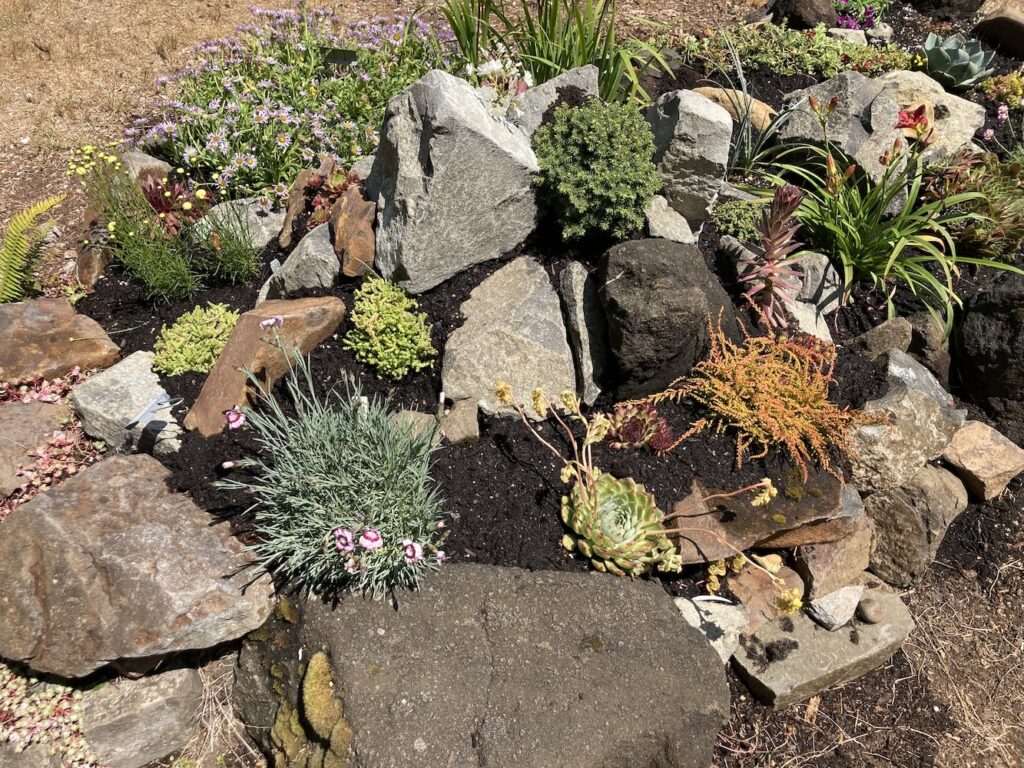
In this edition of the Lincoln County Gardner, guest host Larry King talks with Master Gardeners Kathy Burke and Terry DeJongh about a series of classes the the Lincoln County Master Gardeners are presenting to help everyone grow vegetables at home..
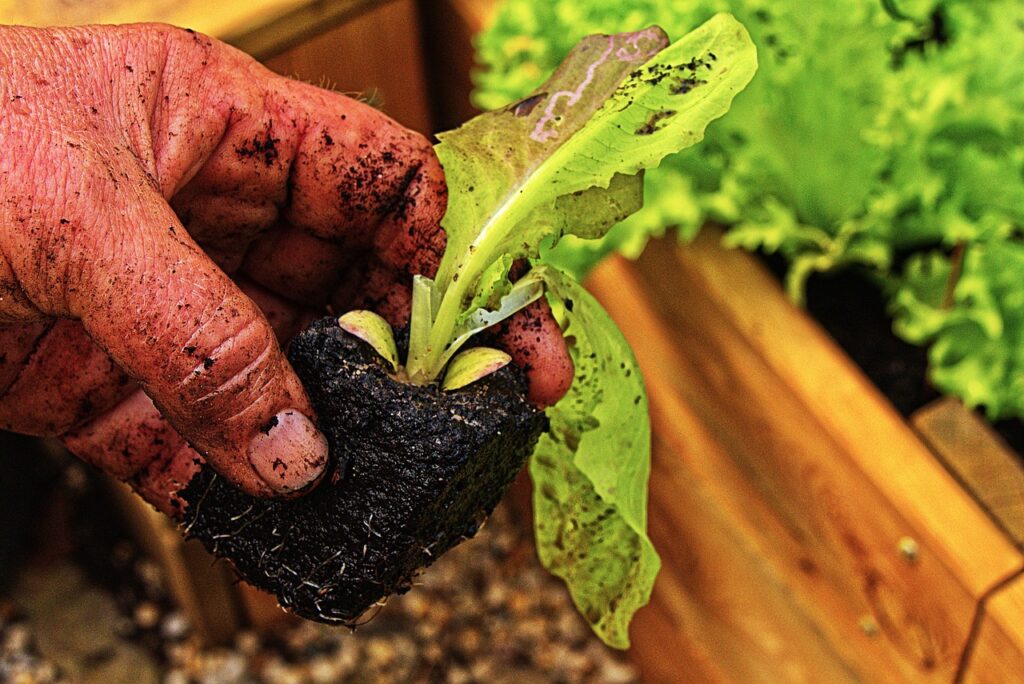
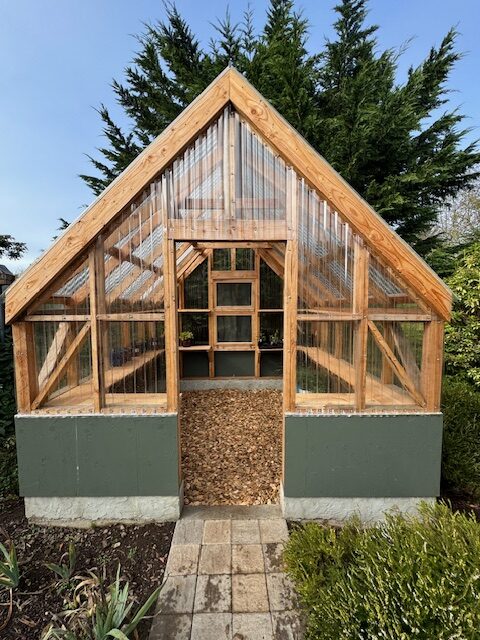
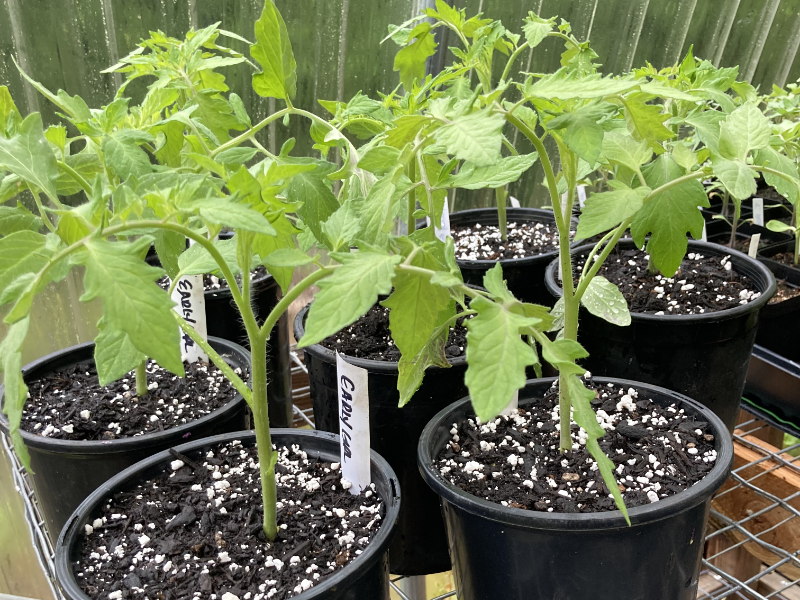
In this edition of the Lincoln County Gardner, guest host Larry King talks with Master Gardener Tom Green about how he uses his new greenhouse. They share tips and tricks for growing vegetables in the greenhouse environment.
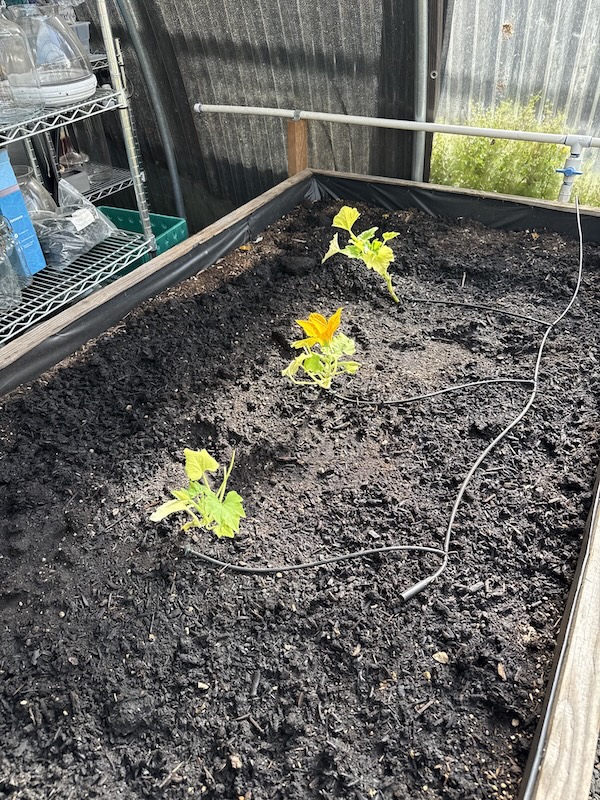
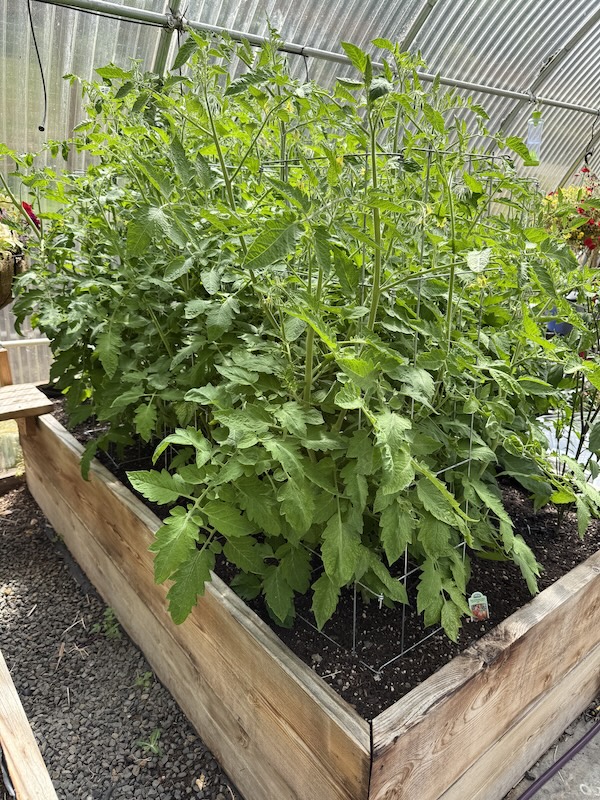
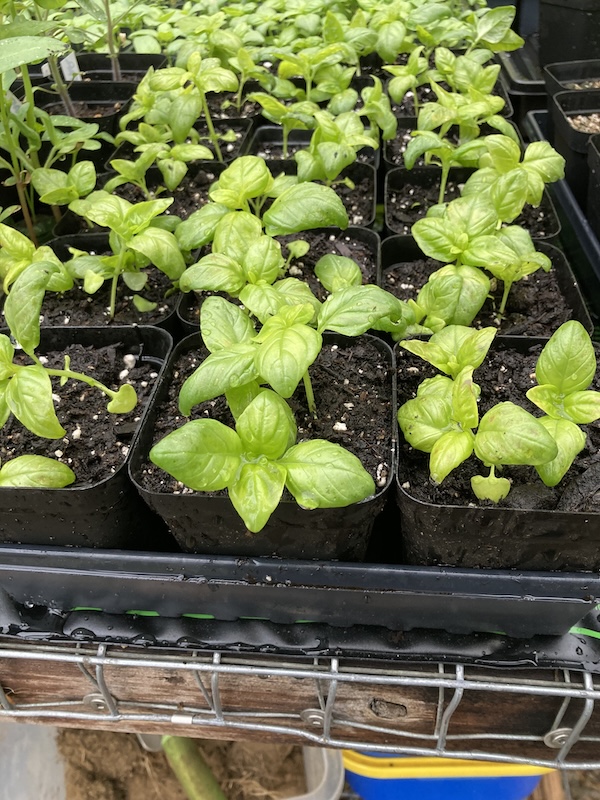
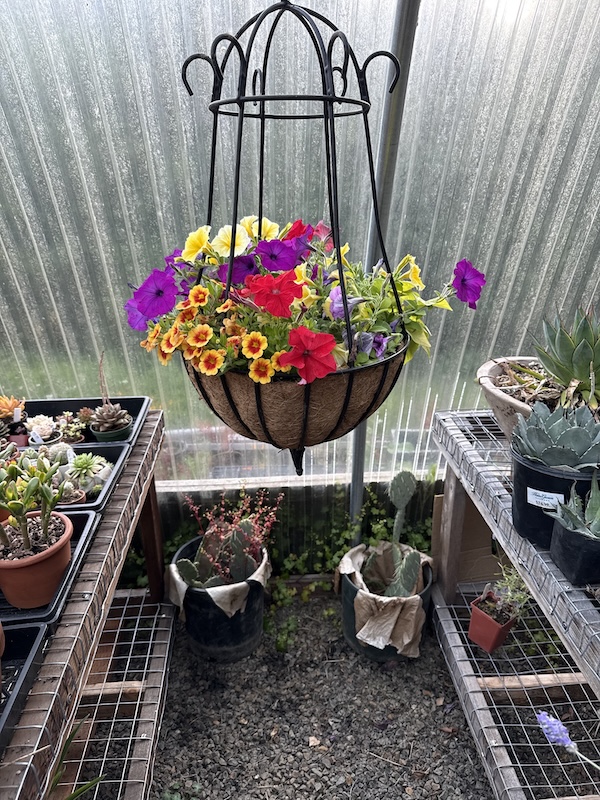
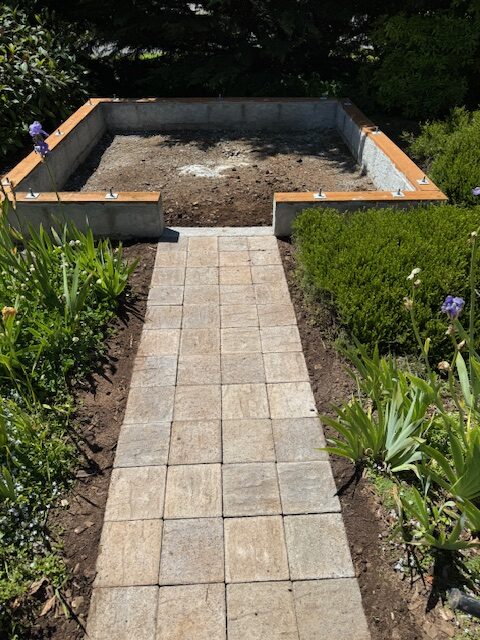
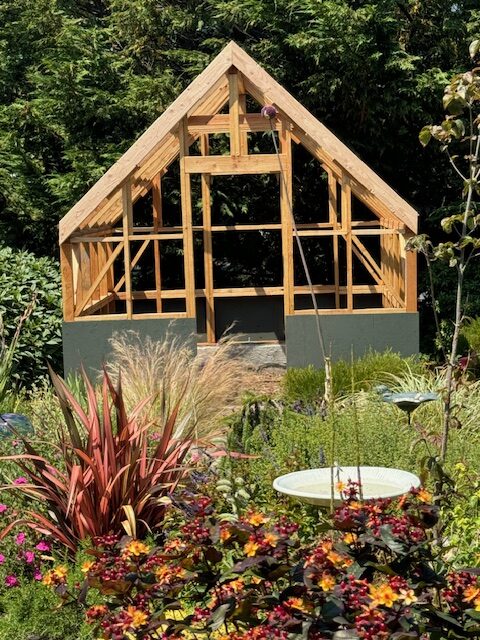
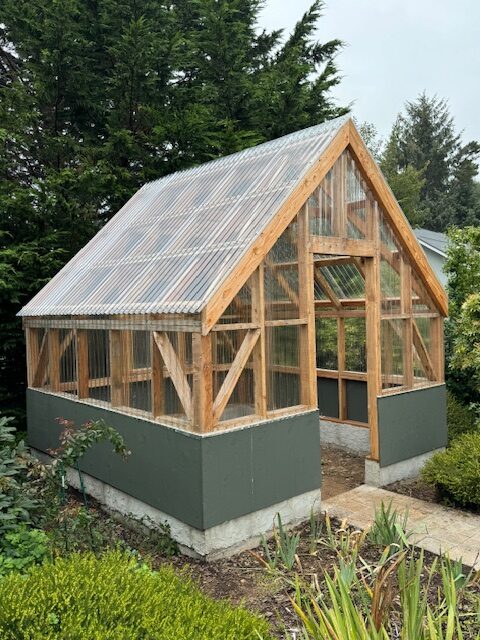
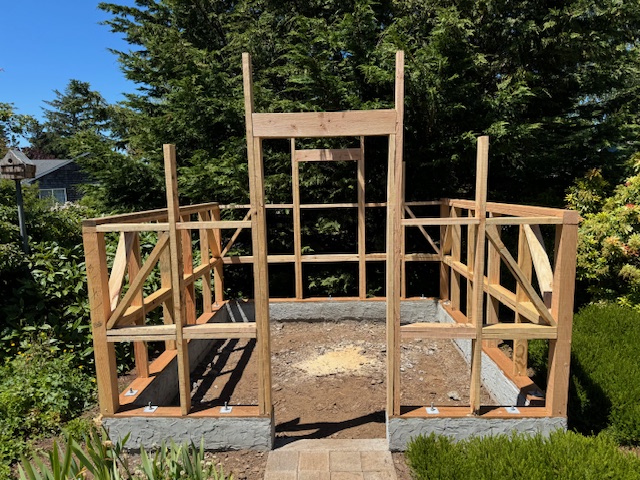
In this edition of the Lincoln County Gardner, guest host Larry King talks with Master Gardener Tom Green about building a greenhouse to extend the growing season here in Lincoln County.
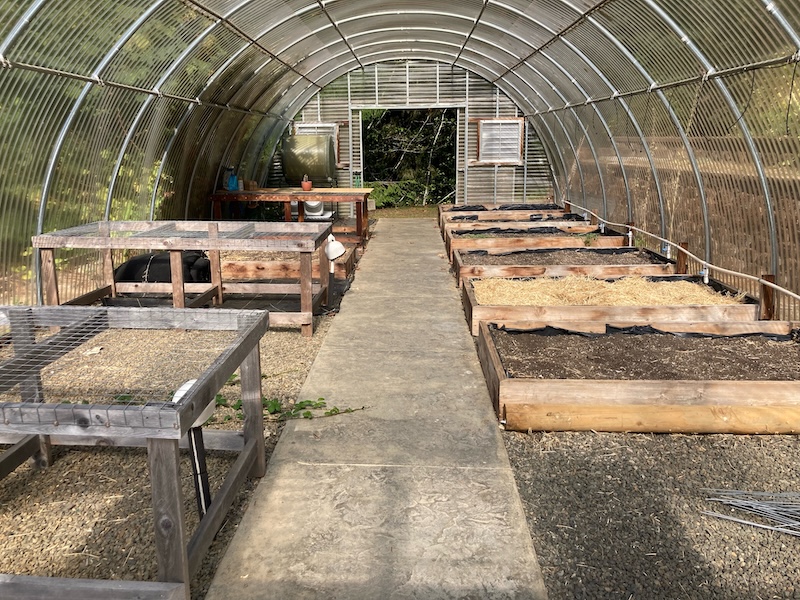
In this edition of the Lincoln County Gardner, Ross McCann is on vacation, so Master Gardener Larry King talks with OSU Extension Service employee Stormi Dykes about the Master Gardener program. Stormi administers the program for Lincoln County.
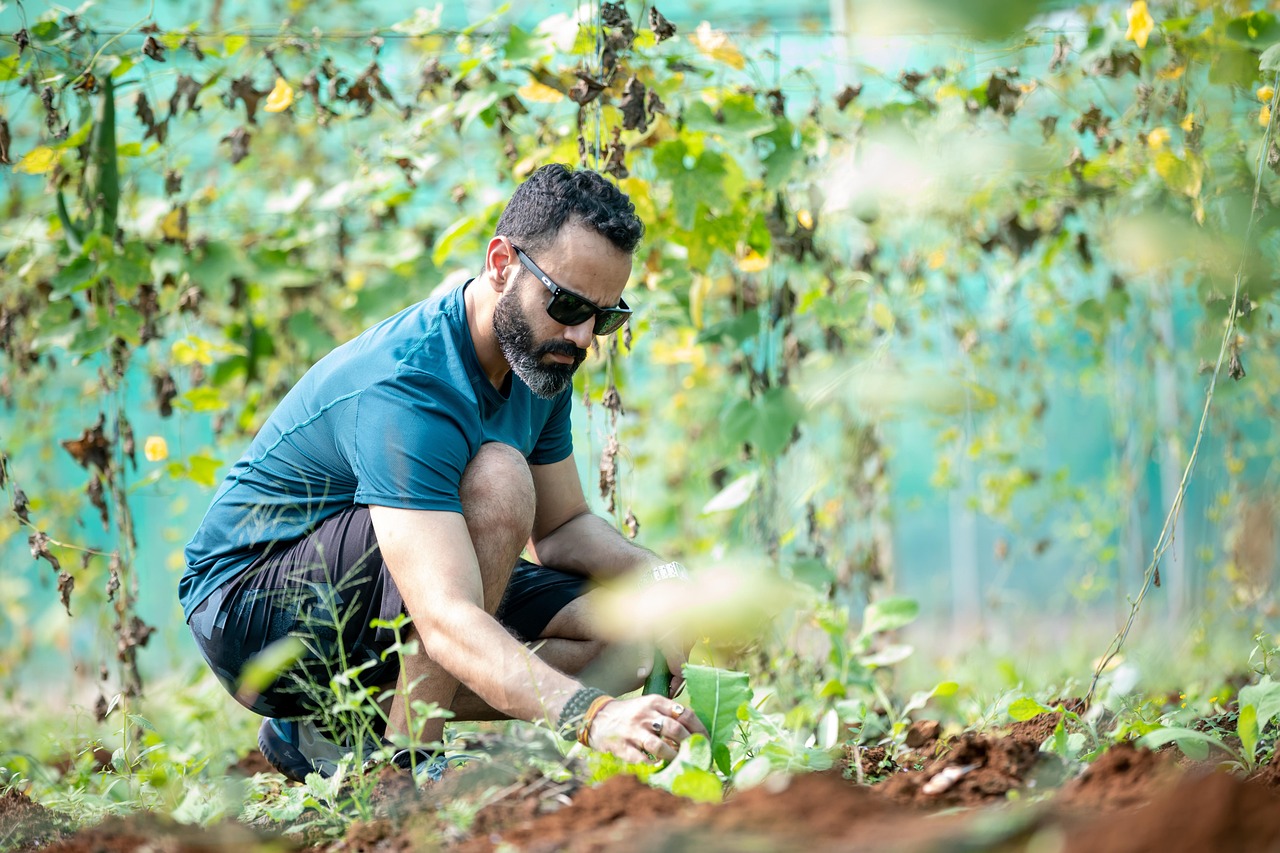
Featured image of gardener by Anil sharma from Pixabay.
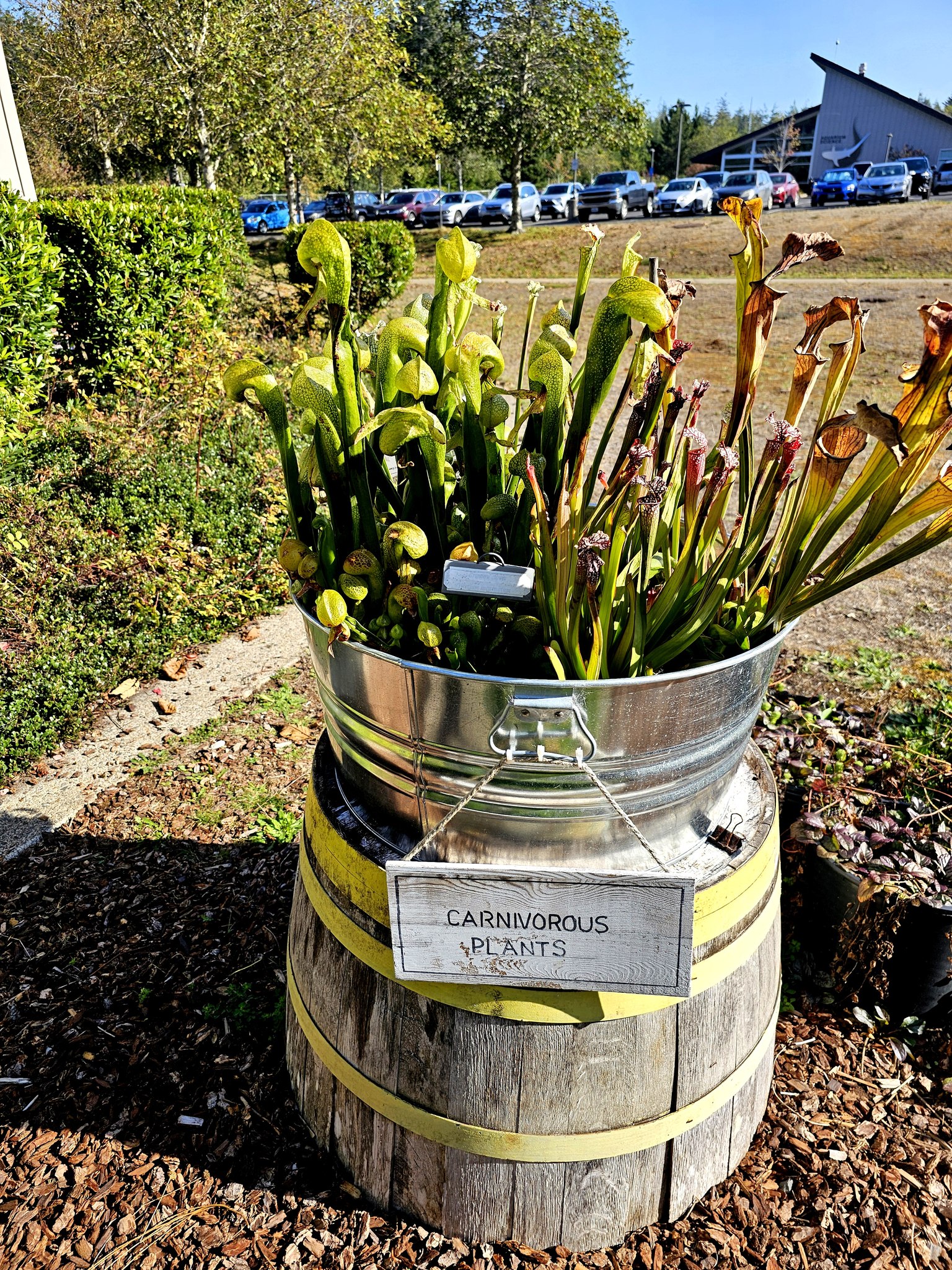
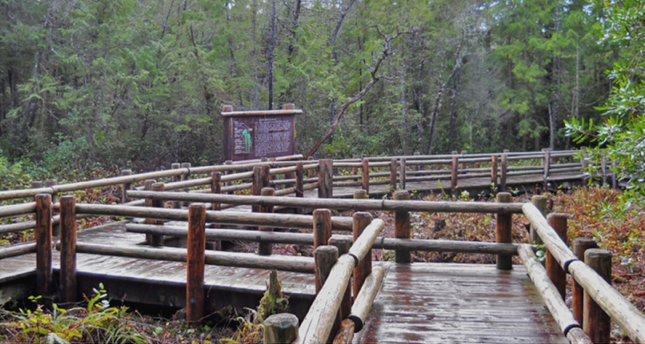
In this edition of the Lincoln County Gardner, Ross McCann talks with Master Gardener Pam Crobar about creating a bog garden featuring carnivorous plants. Many of the plants are native to coastal Oregon.
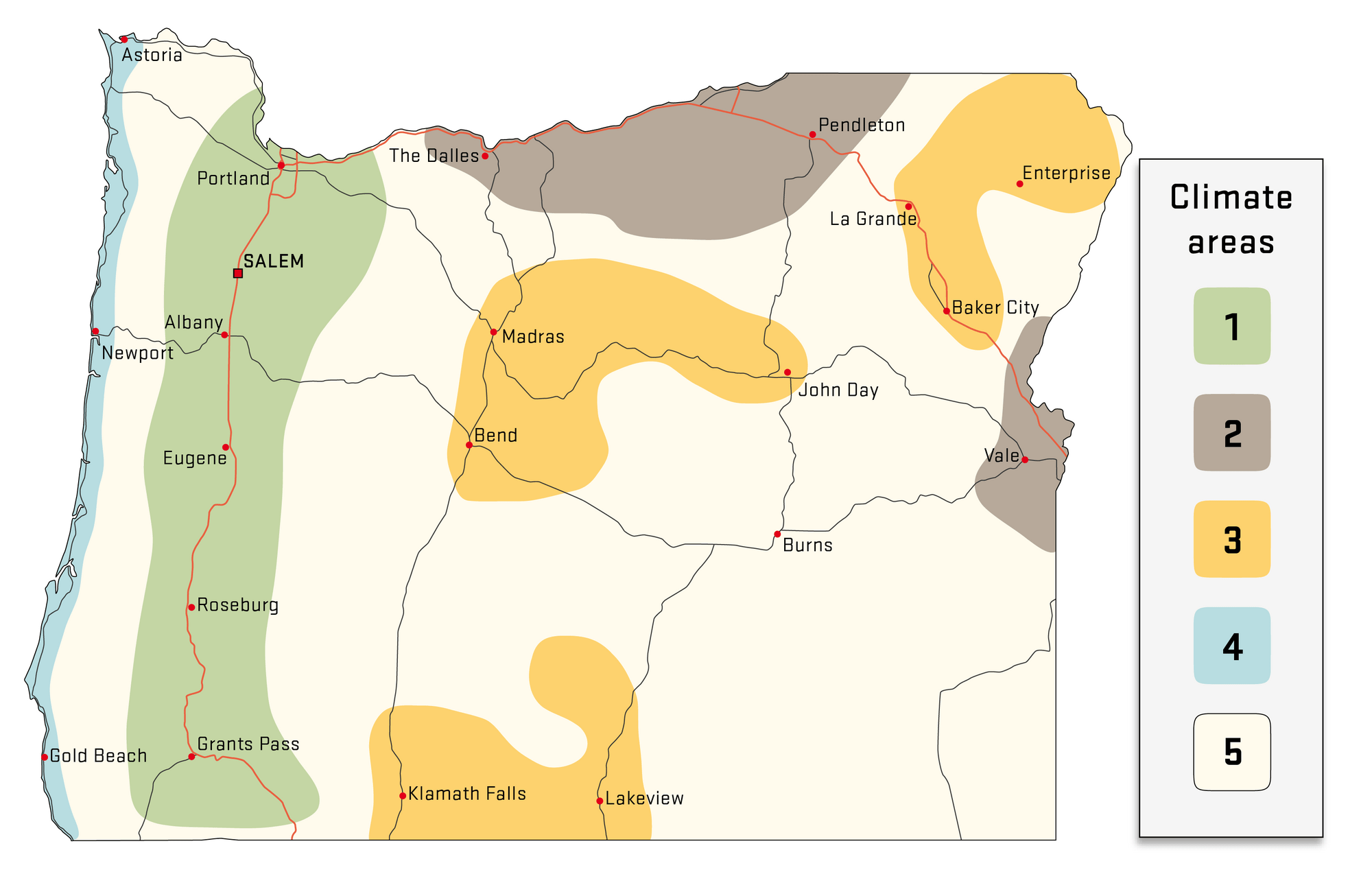
Oregon growing areas for fruits are determined largely by climate. Fruit trees may successfully be grown outside of the areas outlined in the area map, but local climate conditions should be considered wherever trees are planted. The climate map and planting recommendations are courtesy of Oregon State Extension Service.
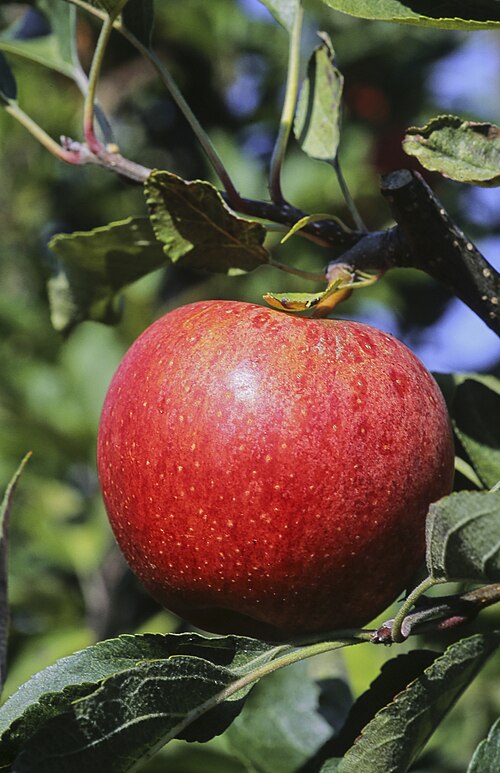
Gala Apple
Lincoln County is in coastal Area 4, and Low summer temperatures and rain limit fruit growing. Choosing apple varieties can be particularly important along the coast.
Further east in Lincoln County (think Eddyville, Tidewater, etc.) the Growing Area is more similar to that of the mid-valley and you will have access to additional varieties.
Below are those varieties that will flourish in at least one of Lincoln County's Growing Areas:
Variety | Areas suited | Approximate time of maturity | Comments |
|---|---|---|---|
| Lodi | 1–4 | July | Self-compatiblea; tart, yellow fruit |
| Earligold | 1–4 | August | Crisp, yellow fruit |
| Akaneb | 1–4 | August | Self-compatible; crisp, red fruit |
| Gravenstein | 1, 4 | August | Prefers mild climate; large, flavorful fruit |
| Chehalisb | 1–4 | September | Self-compatible; fruit are large, yellow, crisp, sweet, and juicy |
| Elstar | 1, 4 | September | Prefers mild climate; tart, flavorful fruit |
| Gala | 1–4 | September | Red fruit are sweet, crisp, and juicy; stores well; heat-tolerant |
| Jonagold | 1, 4 | September | Prefers mild climate; red fruit are sweet, crisp and juicy |
| Primab | 1–4 | September | Red fruit are crisp and juicy |
| Empire | 1, 2 | late September | Semi self-compatible; red fruit are sweet and very crisp |
| Delicious | 1, 2 | late September | Sweet, red fruit; stores well |
| Libertyb | 1–4 | late September | Red fruit are crisp, sweet and tart |
| Braeburn | 1, 2 | October | Red fruit are crisp and sweet; stores well; productive |
| Fuji | 1, 2 | October | Red fruit are very sweet and juicy; stores well |
| Golden Delicious | 1, 2 | October | Yellow fruit are crisp and juicy; very productive |
| Granny Smith | 1, 2 | October | Tart, green fruit; stores well |
| Newtown Pippin | 1, 2 | October | Green to yellow fruit; flavor improves in storage |
bThis variety is resistant to some common diseases like apple scab and powdery mildew.
Pollination is necessary for fruit production. Some varieties of apples will require a compatible tree for fertilization. The chart above can help you choose compatible or self-compatible trees.
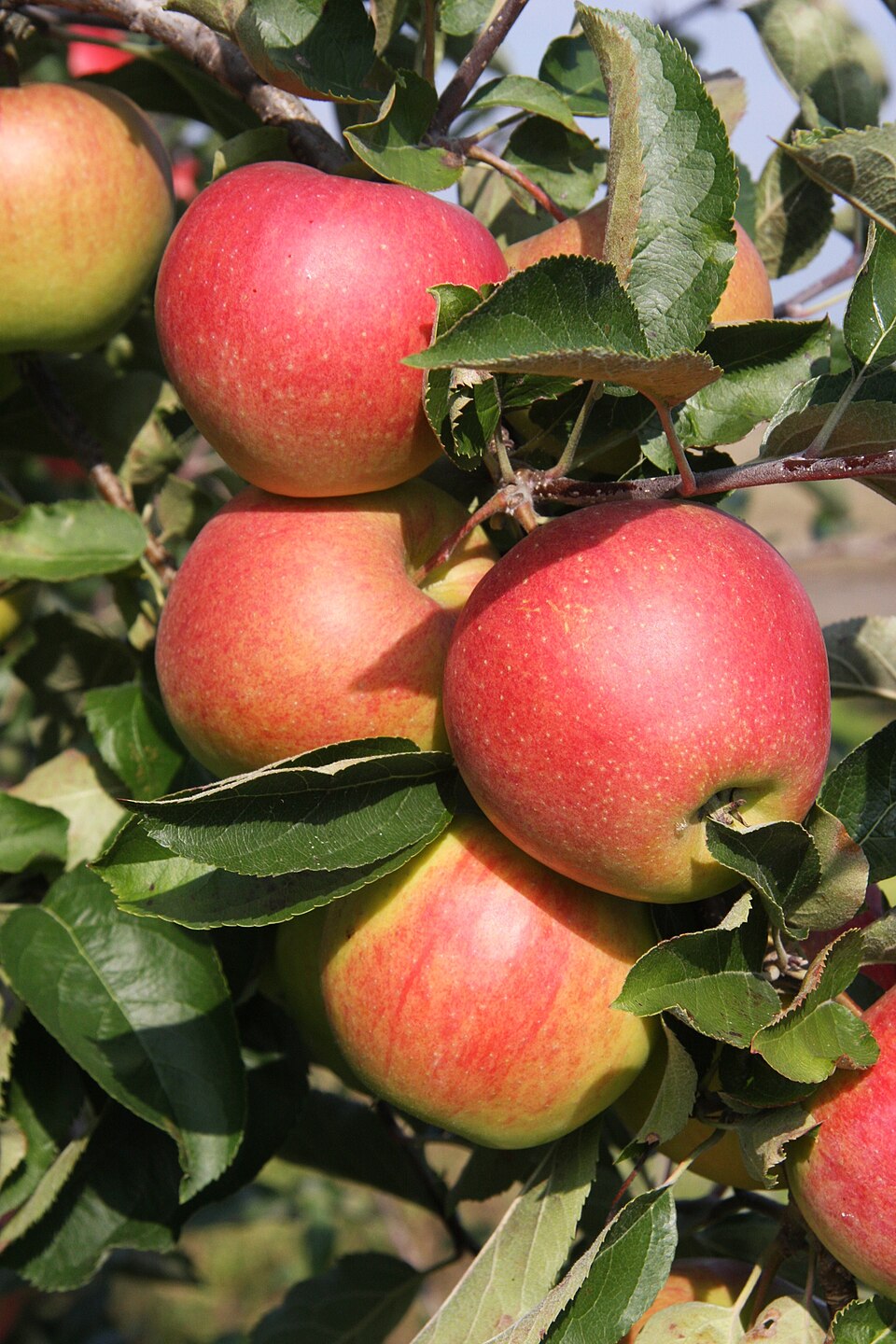
Jonagold Apple
Apple trees are most productive and healthiest when sited in a location that receives at least six hours of light per day during the growing season. Find the spot likely to receive the most sun in your coastal garden and your trees will thrive.
Even though watering worries are reduced in coastal areas, apples still require regular, even moisture. Water when the top inch of soil is dry and the soil 6 inches below the surface is barely moist. Water deeply enough to ensure penetration down to at least 3 to 4 feet deep. Older trees are more self-sufficient but should still be watered deeply during dry summer periods.
Feed your apple trees three to four times during the growing season with an organic, well-balanced fertilizer. Avoid fertilizers too high in nitrogen, as they stimulate leafy growth at the expense of fruit production. A 2- to 3-inch layer of compost as a top-dressing helps retain water and discourages weeds.
The long term success of your apple trees depend upon initial training and pruning during the first three years. For healthy, productive fruit trees, get tips from your local extension office or follow this OSU home orchard pruning and training guide.
Gardening along the coast presents unique challenges and opportunities. The salty air, unpredictable winds, and shifting temperatures require specific strategies to create a thriving garden. From selecting the right plants to understanding when to plant, adapting to coastal weather conditions is an essential aspect of effective gardening. Whether you're a seasoned gardener or just starting out, discover how to make your coastal garden flourish.
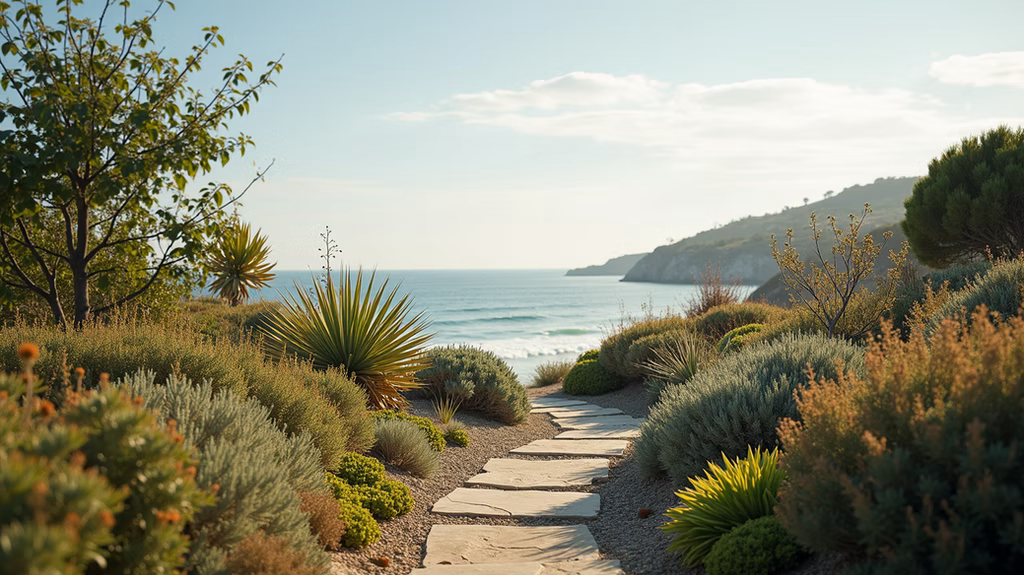
Coastal gardening differs significantly from traditional gardening due to various environmental factors. The primary challenges include high salinity, strong winds, and specific soil conditions. Coastal regions often have sandy soil that drains quickly, making water retention a key concern. Understanding these factors will help in choosing the right plants and implementation of effective gardening techniques.
One effective way to adapt to coastal weather is to use windbreaks and barriers. Planting shrubs or erecting fences can shield your garden from harsh winds. Moreover, these structures can also help in retaining moisture in the soil. Native plants are often more resilient to coastal conditions, so look for those that naturally thrive in your area.
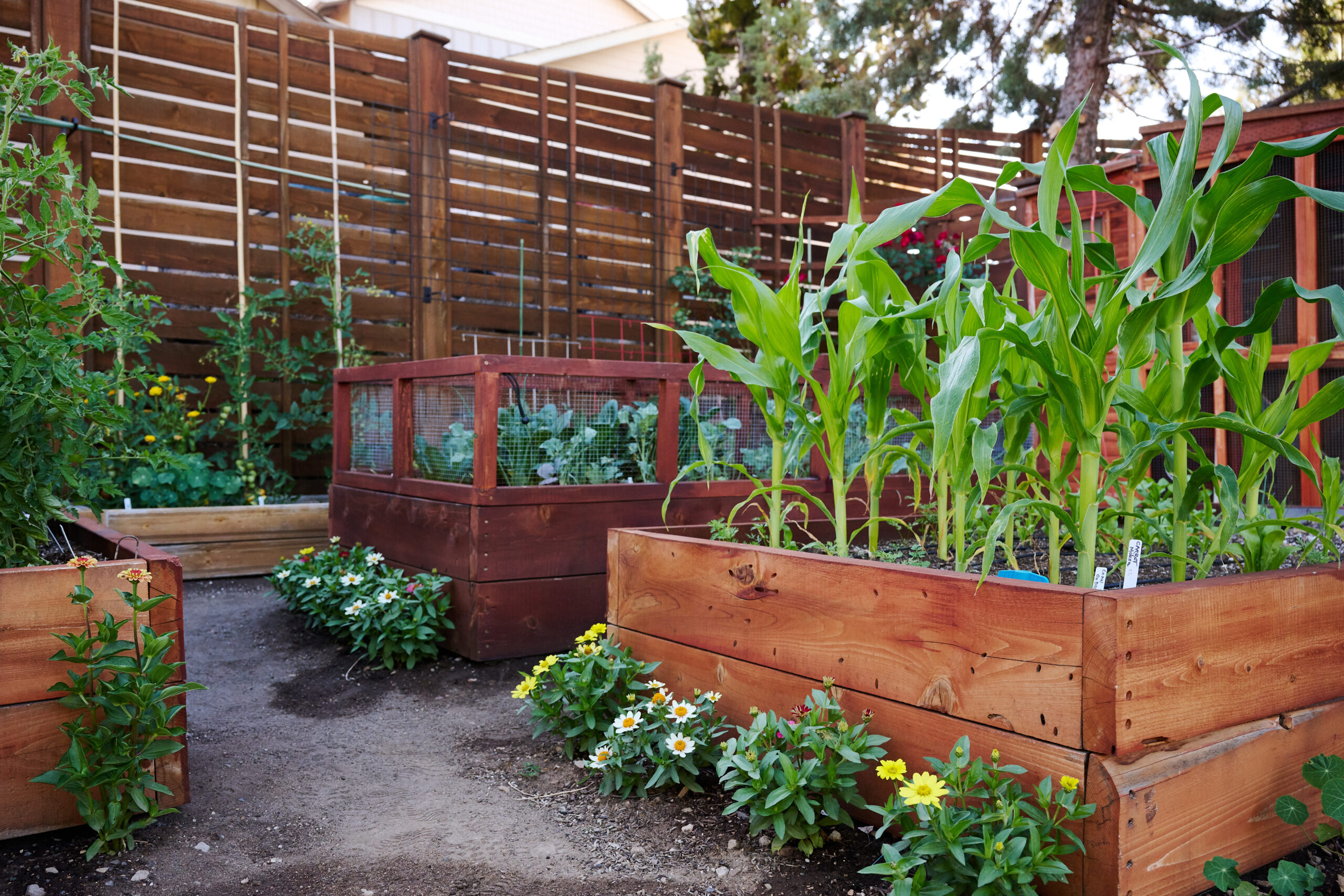
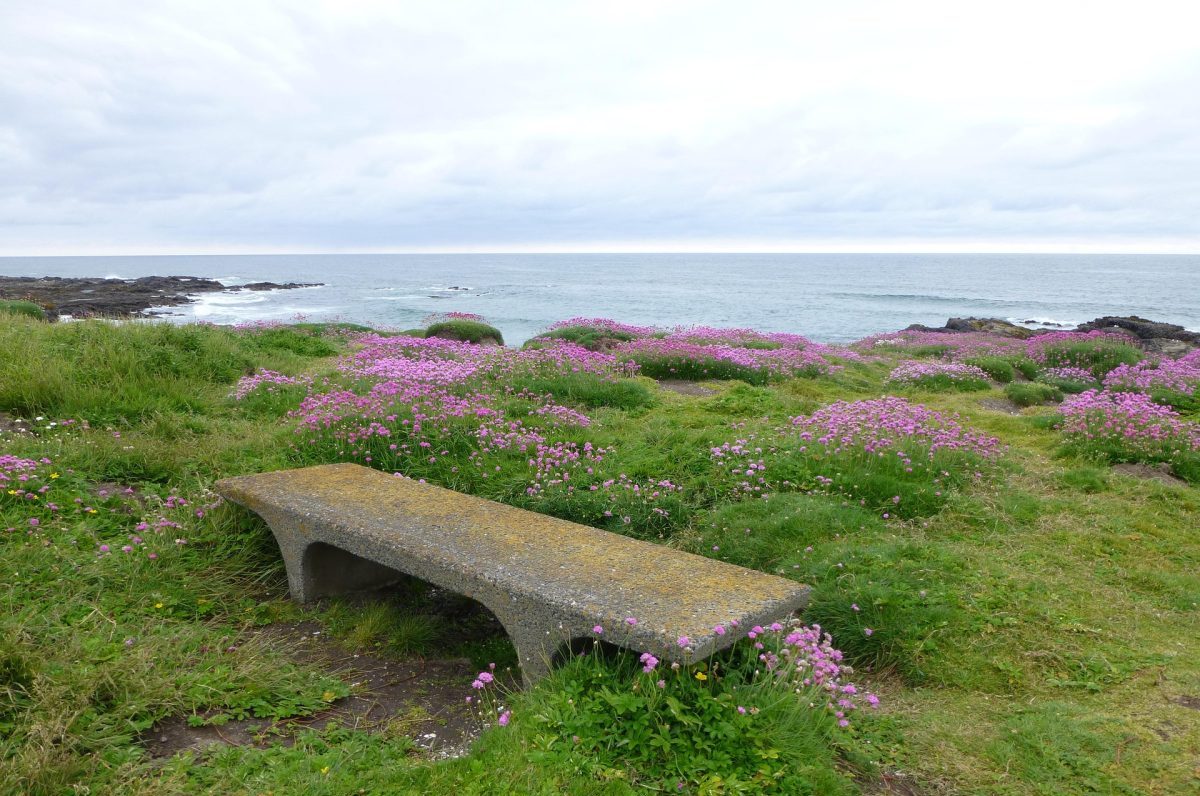
A coastal garden thriving with native plants in a protected environment.
Choosing the right plants is crucial for the success of your coastal garden. Opt for native species that have adapted to withstand salt, wind, and drought. These plants not only survive but also enhance the local ecosystem. Consider incorporating the following types of plants into your garden:
In addition to native plants, consider perennial varieties that can handle the temperature fluctuations often seen in coastal environments. These plants will return year after year, providing reliable color and texture.
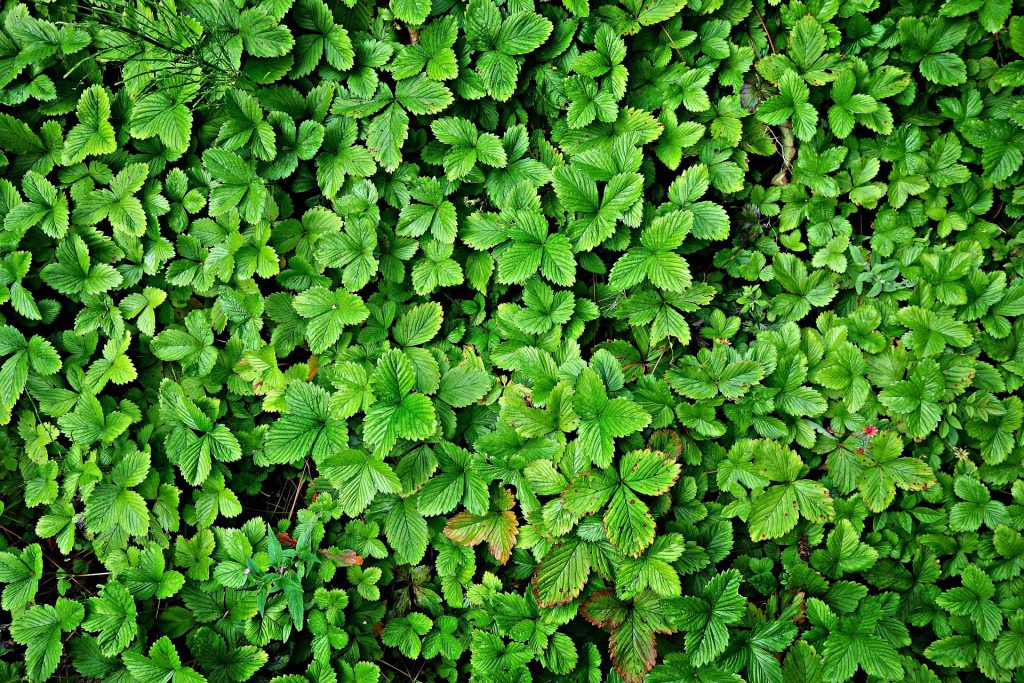
Timing your planting is essential for thriving coastal gardens. The Oregon coast has a distinct growing season influenced by maritime climate. Generally, the best time to start planting in this region is between late April and early June after the risk of frost has passed.
Keep in mind that the coastal weather can vary significantly from day to day. Be prepared for unexpected temperature drops, which can affect young plants. Using row covers or cold frames can protect them during unexpected cold snaps in the early spring.
Additionally, fall planting can be a good option for certain perennials and bulbs. Ensure you choose plants known for their hardiness to guarantee survival through the winter months, as coastal winters can be mild but wet.
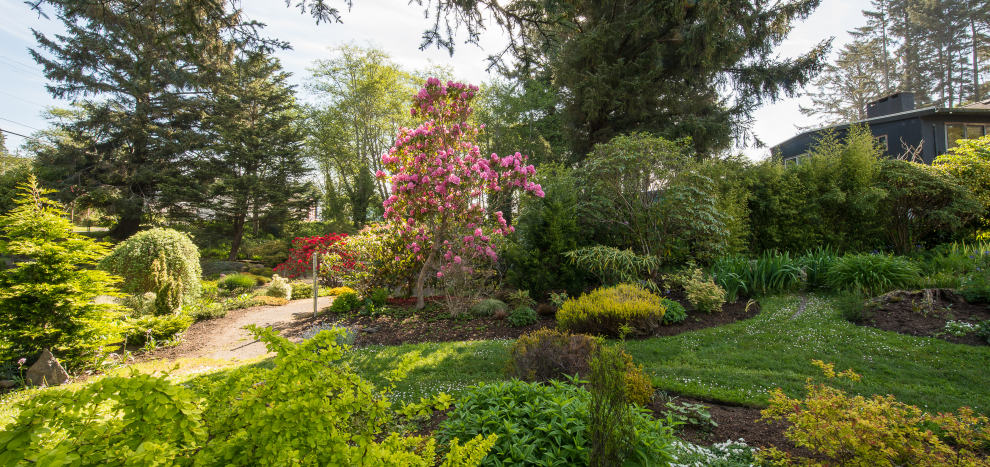
Coastal gardens can face water retention challenges due to sandy soil. Adjusting your watering techniques can make a significant difference in plant health. Here are some tips to ensure your garden stays hydrated:
Adjust your watering schedule based on weather conditions, ensuring plants receive adequate hydration without drowning their roots.
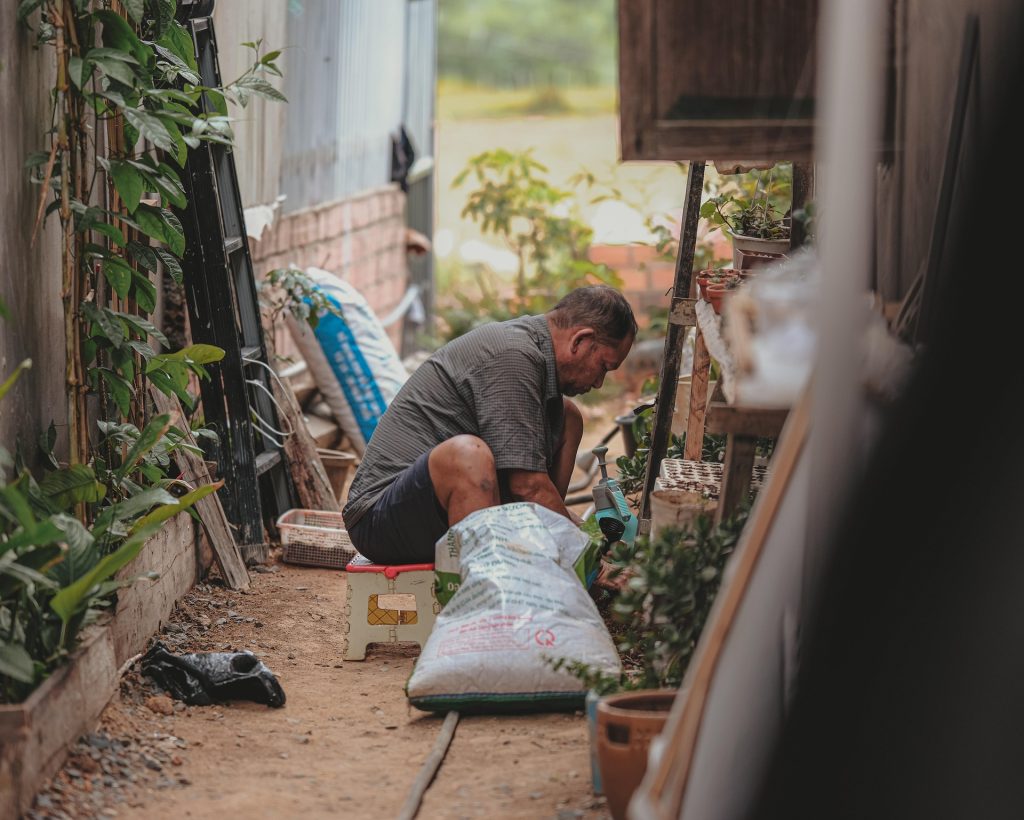
Soil quality greatly impacts garden success, especially in coastal regions. Although native plants thrive in the natural sandy soil, vegetables and ornamental plants may lack essential nutrients. It may be necessaryl to enhance soil quality for your coastal garden to thrive. Here are some ways to improve the soil:
By focusing on these practices, you'll create a nutrient-rich environment that supports healthy plant growth even in challenging coastal conditions.
Coastal gardening can be challenging, but embracing these challenges allows you to create a unique garden that flourishes in its environment. By understanding the specifics of your region and following best practices, you can transform your garden into a coastal paradise.
Utilizing the right plants, adapting your watering techniques, and improving soil quality are all integral to success. Don't forget that even in the face of coastal weather conditions, with patience and persistence, your garden can thrive.
As garden enthusiasts, let’s explore the full potential of coastal gardening. Flexibility is the key to success, so get out there and test gardening skills along the coast!
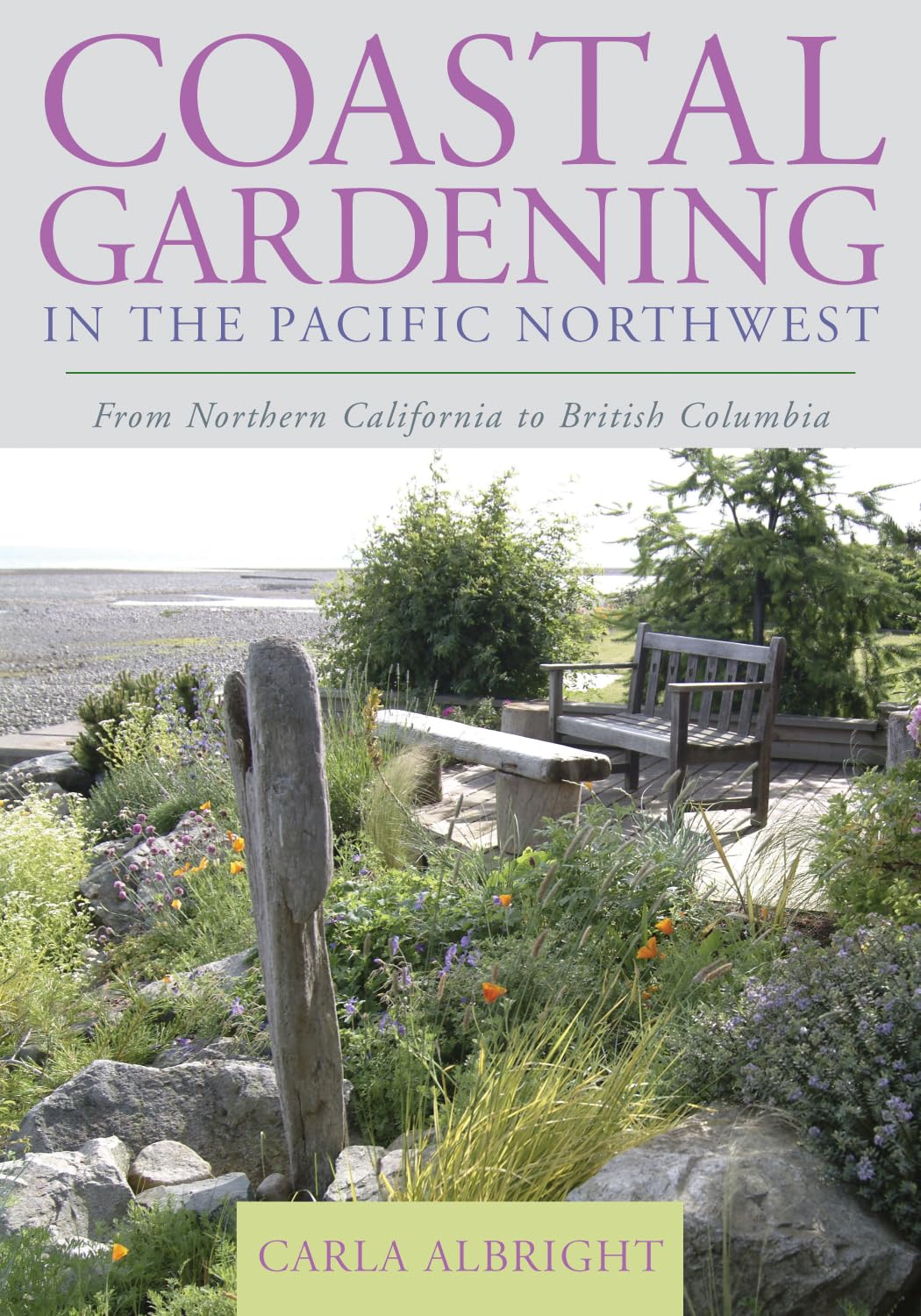
Coastal Gardening in the Pacific Northwest, Carla Albright, Taylor Trade Publishing, 2007, 250 pgs. ISBN-13: 978-1589793170
Carla Albright is an Oregon State Master Gardener, teaches OSU Master Gardener classes and writes a gardening column for the Tillamook Headlight Herald while also working as a professional gardener on the Oregon coast.
Her book is a combination of how-to guide, workbook and concise plant encyclopedia. She makes specific plant recommendations that will survive and thrive in our sometimes harsh conditions. The workbook portion are useful for focusing attention on the elements, (salt spray, rainfall, sun, wind) that make up a coastal garden environment. Chapter 7, “Plants To Avoid In Coastal Gardens” is a special favorite of mine.
The book also includes a brief travel guide for coastal public gardens and a compact bibliography pointing us to further research possibilities.
-2-cliche_Jean_Weber_(23307309309).jpg)
