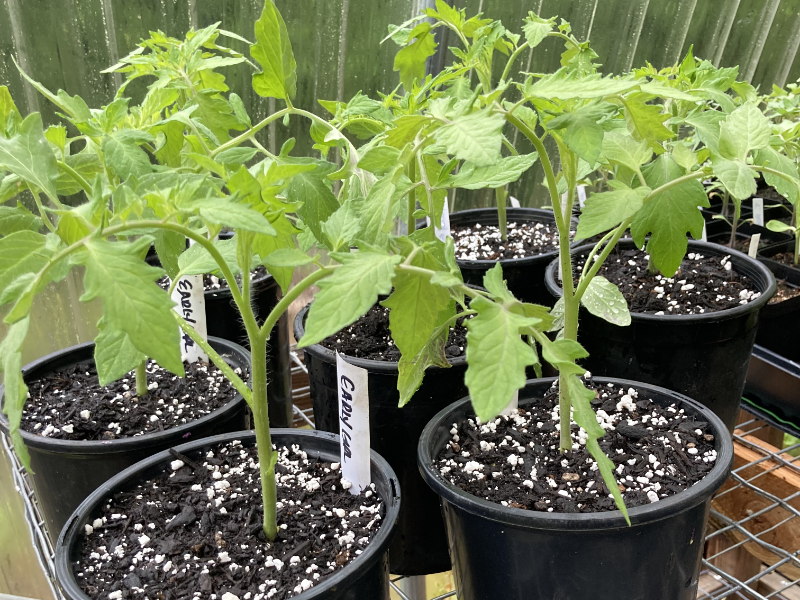
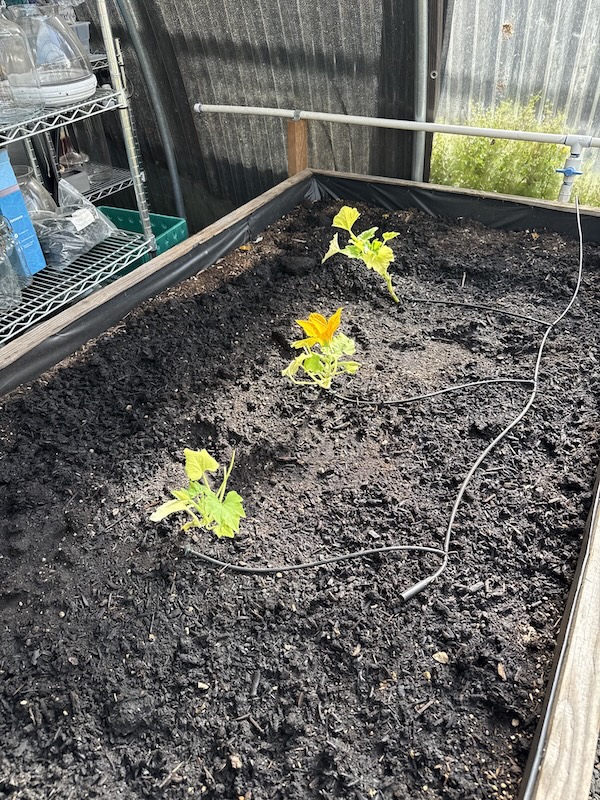
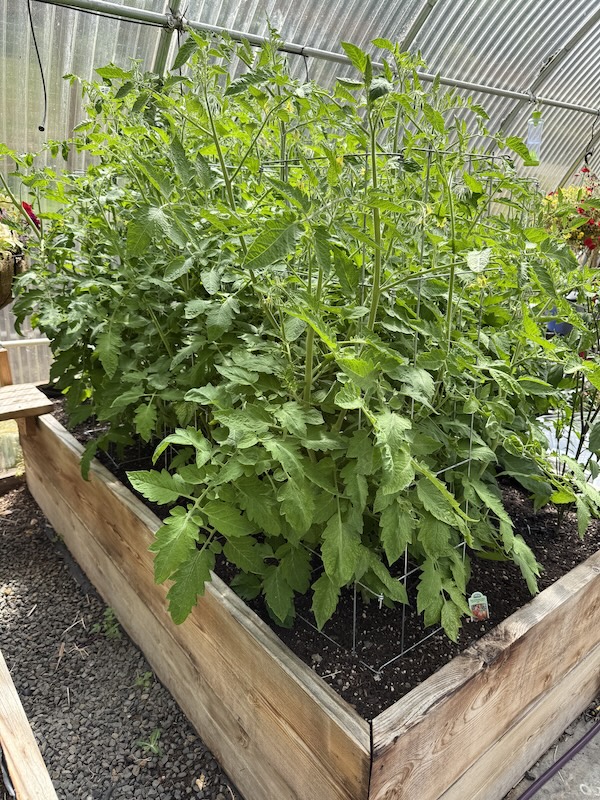
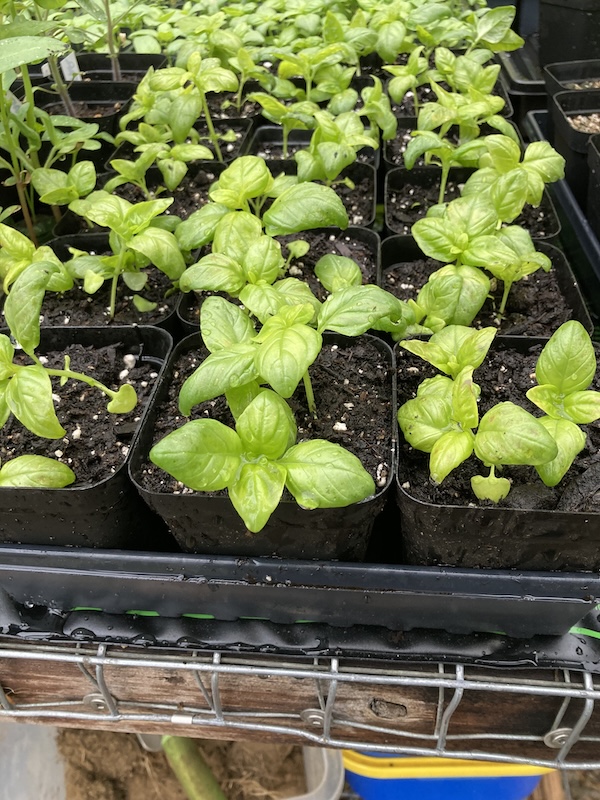
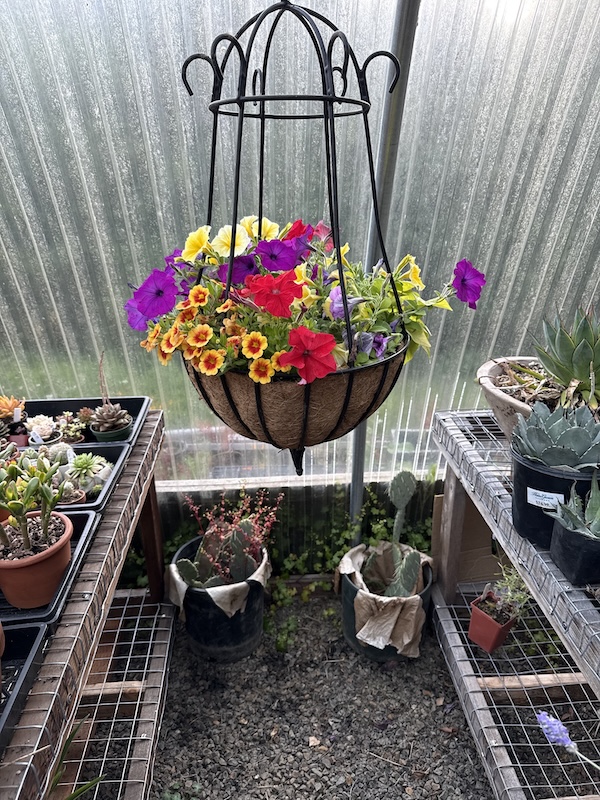
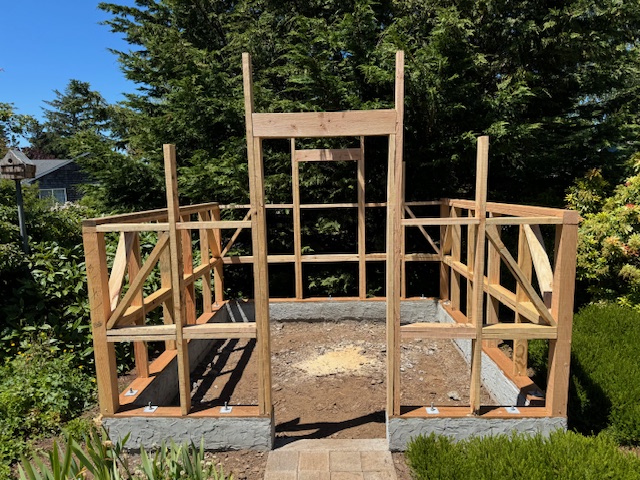
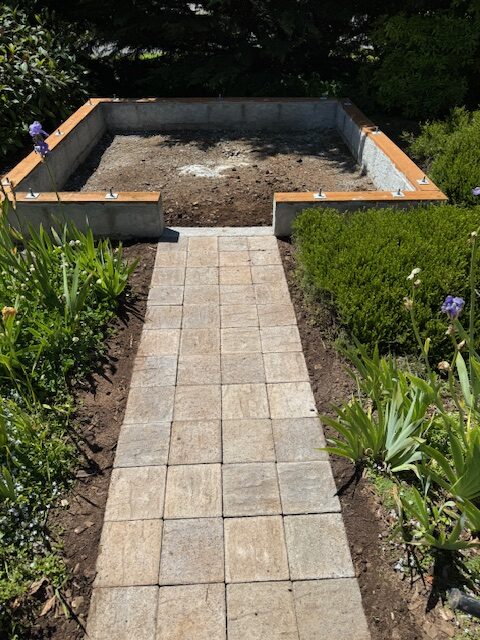
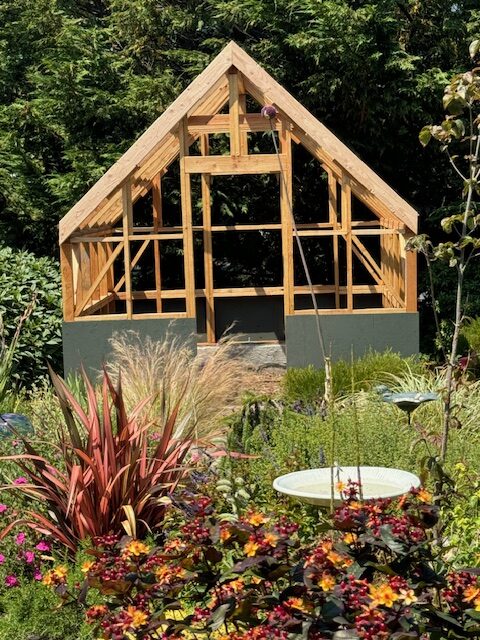
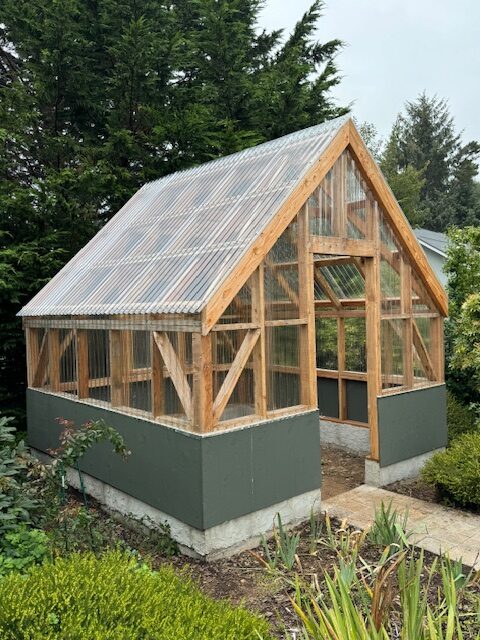
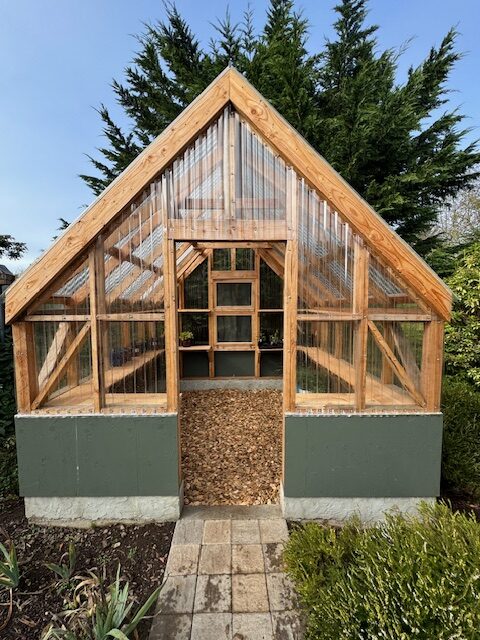
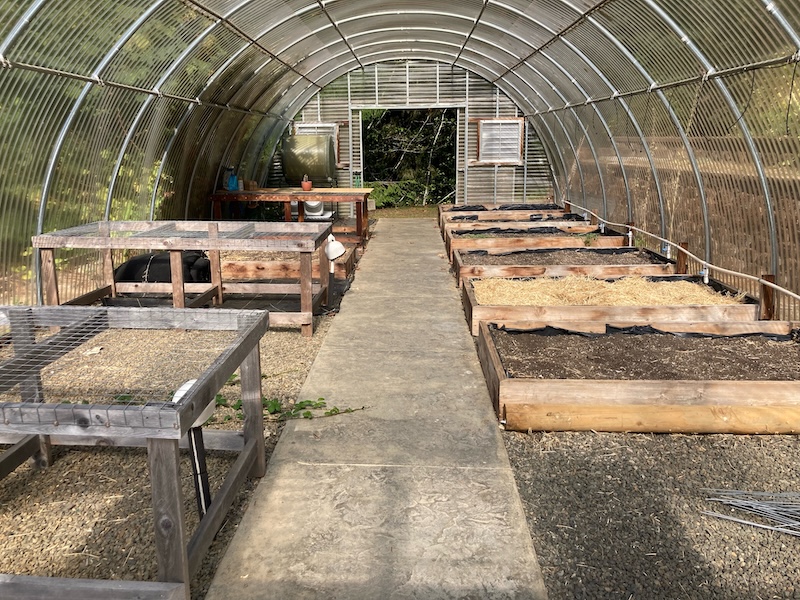
In this edition of the Lincoln County Gardner, guest host Larry King talks with Master Gardener Tom Green about how he uses his new greenhouse. They share tips and tricks for growing vegetables in the greenhouse environment.


In this edition of the Lincoln County Gardner, guest host Larry King talks with Master Gardener Tom Green about how he uses his new greenhouse. They share tips and tricks for growing vegetables in the greenhouse environment.


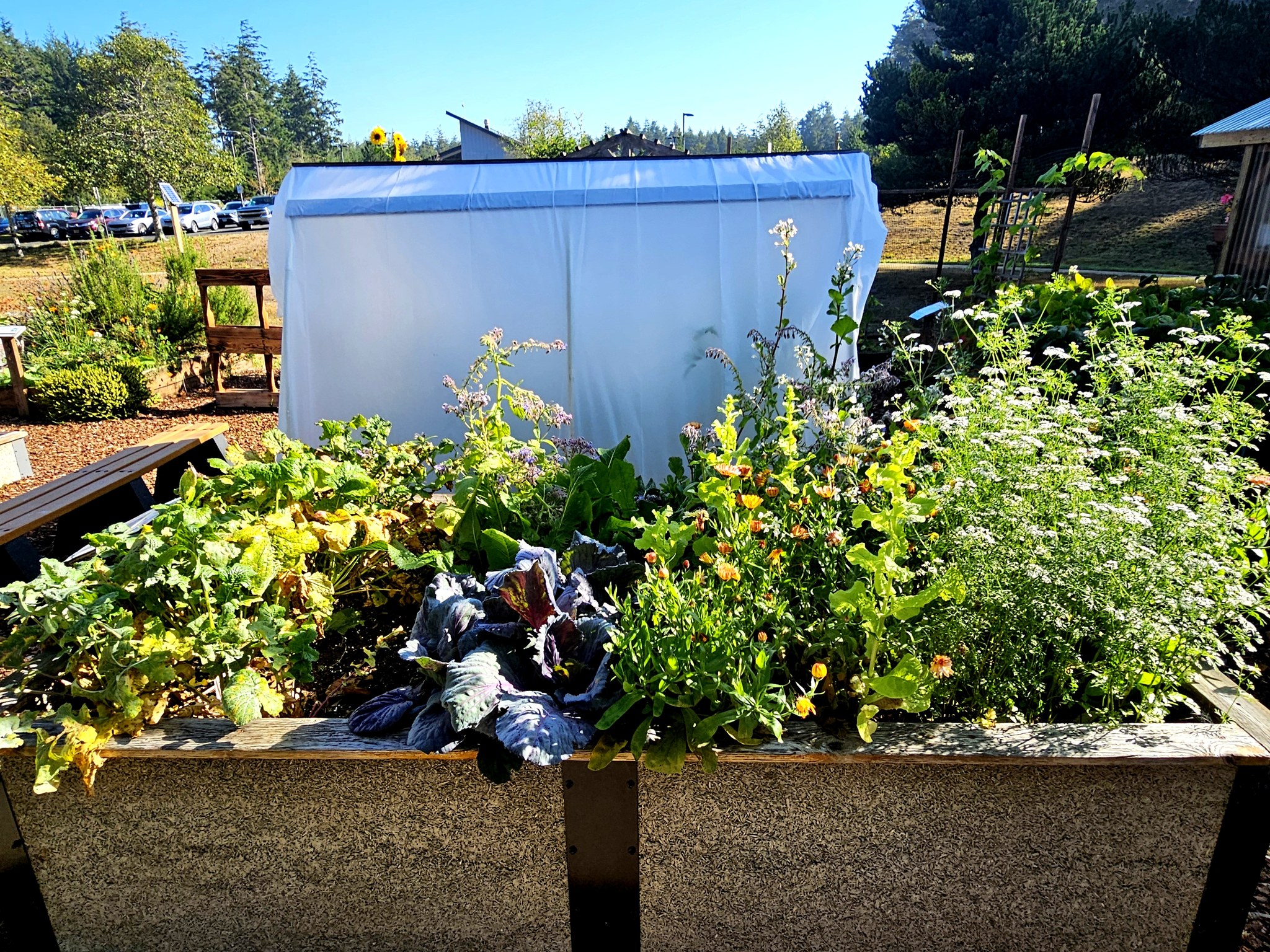
In this edition of the Lincoln County Gardner, guest host Larry King talks with Master Gardener Tom Green about building a greenhouse to extend the growing season here in Lincoln County.

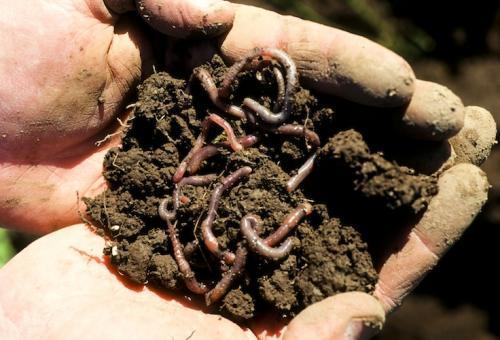
With my Master Gardener™ Apprentice Project I hoped to show whether or not feeding plants using worm castings (also called vermicompost) and worm casting tea resulted in healthier, more productive plants.
I started with two beds, each receiving the same amount of sunlight and having the same growing conditions, as well as starting with the same soil type and nutrient density in each bed. I planted the same plants in the same location in each bed: 1 Tomato, 1 Zucchini, 5 Green Beans, 1 Pepper, 2 Cilantro.
I already had an “under the counter worm bin” that was home to red wigglers as well as an old cooler that I used as another worm bin, so I had access to plenty of worm castings to use. I feed them garden scraps as needed and topped them with dried plant material and a layer of cardboard.
When I planted the Worm Bed I included a handful of worm castings into each planting hole, I also scuffed worm castings into the top of the soil around each plant; the control bed was planted directly into the existing soil with no added fertilizers.
I added more worm casting to the worm bed 3 times during the growing season, about once a month I would scuff a handful of worm castings into the soil around each plant. I also watered it with worm casting tea at least once a month. Both beds received the same amount of water throughout the season.
The final produce count for each bed:
Worm bed: 44 Green Beans, 6 Zucchini, 1 bunch of Cilantro, 3 Tomatoes, 1 Pepper,
Control Bed: 31 Green Beans, 3 Zucchini, 1 Tomato,
The worm bed produced more on each plant, the plants grew
faster as well, though this slowed down around the middle to the end of season.
I never noticed any pests on any of the plants so I can’t say if the worm bed was more pest resistant or not but in the last few weeks the tomato in the worm bed has begun to look sickly; yellowing and dying leaves, and now mold has started to grow on it’s main stem. This could be due to over-watering but with so many people in and out of the garden it’s hard to tell.

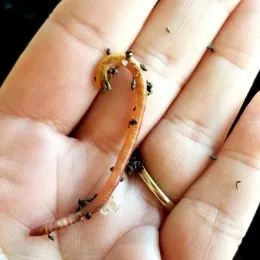
Red Wiggler—Eisenia andrei
Overall, I think that the worm bed produced healthier, faster growing plants; they produced more and started producing sooner than the control bed. Worms are easy to feed and care for and make a safe and easy to use nutrient boost for your plants! They don’t require much attention other than occasional feedings, and they like to eat most garden and kitchen scraps.
Images Courtesy of Oregon State University Extension Service.
You can find out more about worm casting composting here:
https://extension.oregonstate.edu/catalog/em-9034-composting-worms
In this edition of the Lincoln County Gardner, Ross McCann talks with Master Gardener Mary Jane Bonelitz about the history, creation and features of a keyhole garden.

In this edition of the Lincoln County Gardner, Ross McCann talks with Master Gardener Joan Crall about growing garlic on the Oregon coast.

In this edition of the Lincoln County Gardner, Ross McCann talks with Master Gardener Larry King about gardening using raised beds. Raised beds can help increase soil temperature for better plant growth as well as a variety of other benefits.

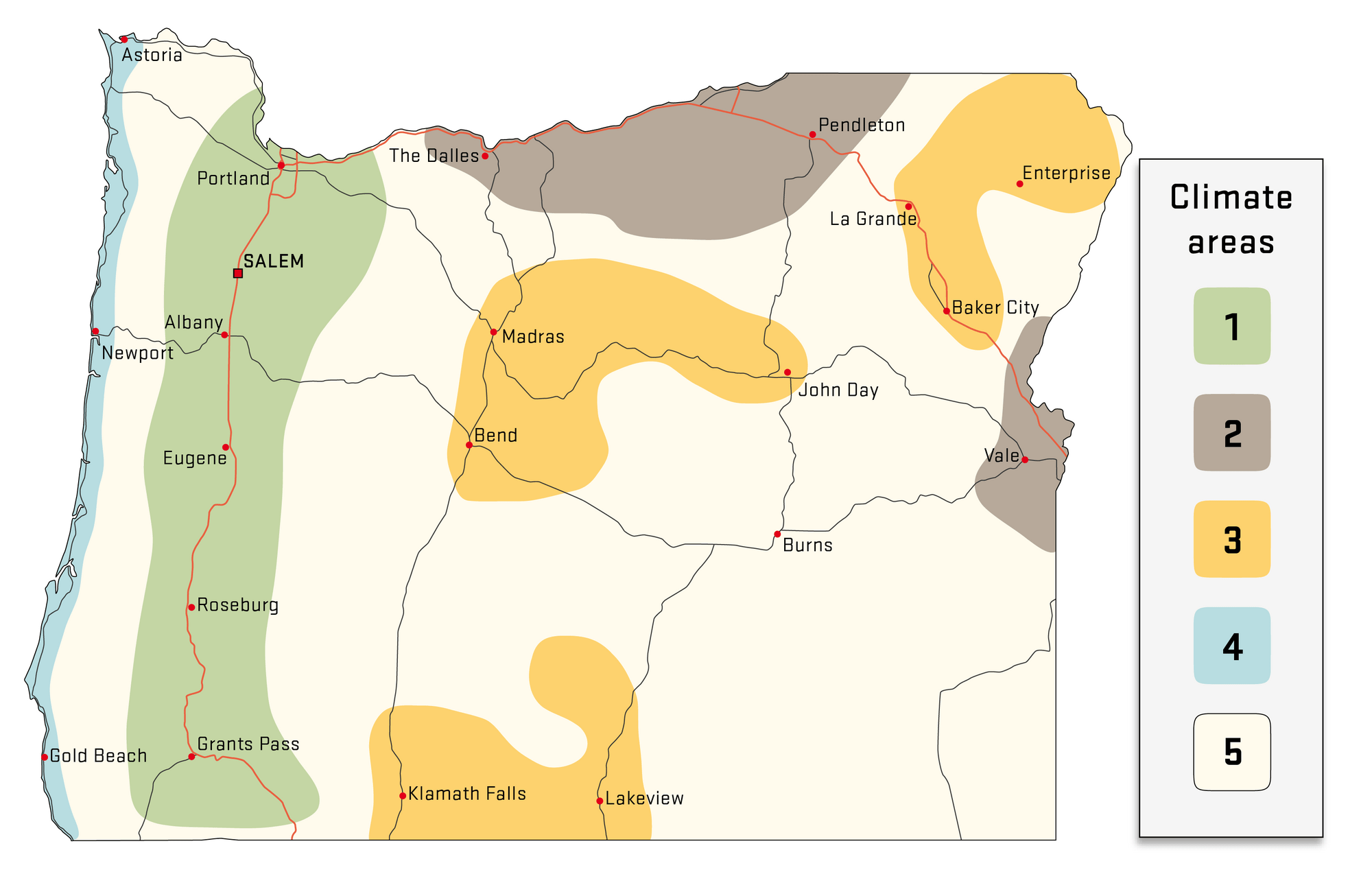
Oregon growing areas for fruits are determined largely by climate. Fruit trees may successfully be grown outside of the areas outlined in the area map, but local climate conditions should be considered wherever trees are planted. The climate map and planting recommendations are courtesy of Oregon State Extension Service.

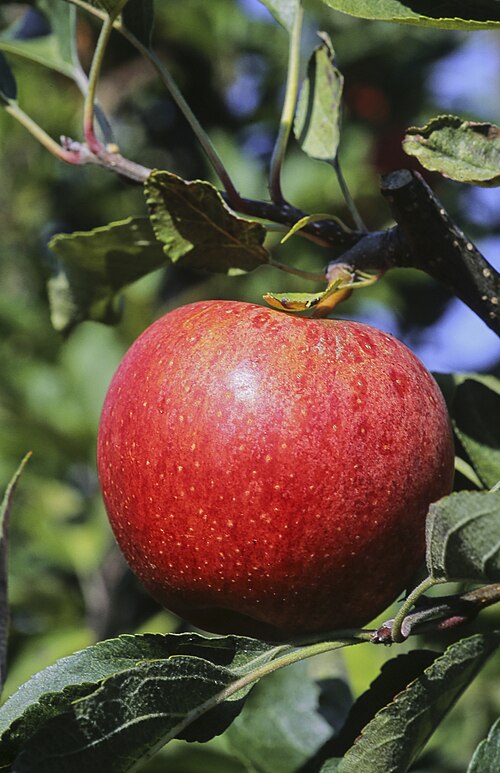
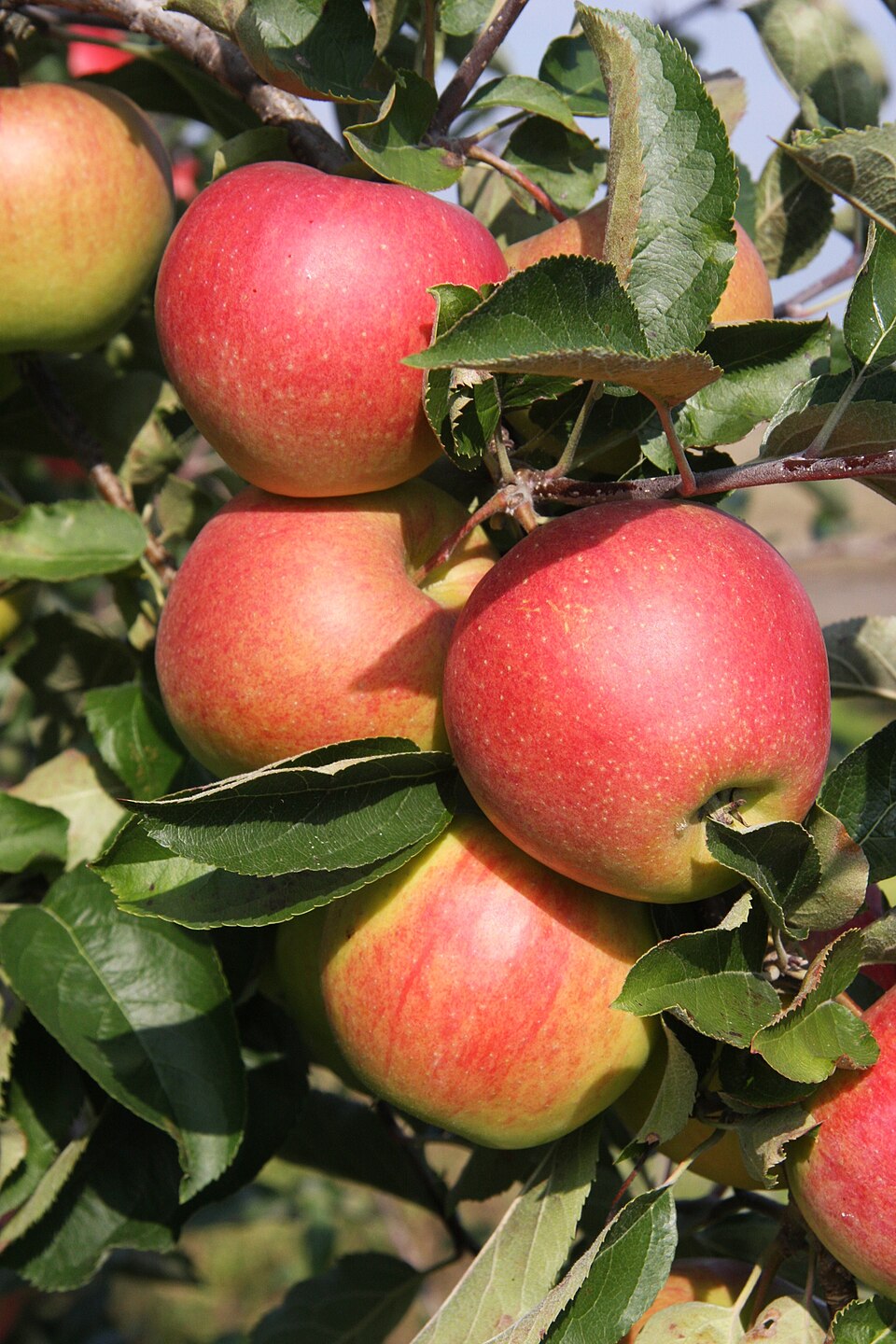
Gala Apple
Lincoln County is in coastal Area 4, and Low summer temperatures and rain limit fruit growing. Choosing apple varieties can be particularly important along the coast.
Further east in Lincoln County (think Eddyville, Tidewater, etc.) the Growing Area is more similar to that of the mid-valley and you will have access to additional varieties.
Below are those varieties that will flourish in at least one of Lincoln County's Growing Areas:
Variety | Areas suited | Approximate time of maturity | Comments |
|---|---|---|---|
| Lodi | 1–4 | July | Self-compatiblea; tart, yellow fruit |
| Earligold | 1–4 | August | Crisp, yellow fruit |
| Akaneb | 1–4 | August | Self-compatible; crisp, red fruit |
| Gravenstein | 1, 4 | August | Prefers mild climate; large, flavorful fruit |
| Chehalisb | 1–4 | September | Self-compatible; fruit are large, yellow, crisp, sweet, and juicy |
| Elstar | 1, 4 | September | Prefers mild climate; tart, flavorful fruit |
| Gala | 1–4 | September | Red fruit are sweet, crisp, and juicy; stores well; heat-tolerant |
| Jonagold | 1, 4 | September | Prefers mild climate; red fruit are sweet, crisp and juicy |
| Primab | 1–4 | September | Red fruit are crisp and juicy |
| Empire | 1, 2 | late September | Semi self-compatible; red fruit are sweet and very crisp |
| Delicious | 1, 2 | late September | Sweet, red fruit; stores well |
| Libertyb | 1–4 | late September | Red fruit are crisp, sweet and tart |
| Braeburn | 1, 2 | October | Red fruit are crisp and sweet; stores well; productive |
| Fuji | 1, 2 | October | Red fruit are very sweet and juicy; stores well |
| Golden Delicious | 1, 2 | October | Yellow fruit are crisp and juicy; very productive |
| Granny Smith | 1, 2 | October | Tart, green fruit; stores well |
| Newtown Pippin | 1, 2 | October | Green to yellow fruit; flavor improves in storage |
bThis variety is resistant to some common diseases like apple scab and powdery mildew.
Pollination is necessary for fruit production. Some varieties of apples will require a compatible tree for fertilization. The chart above can help you choose compatible or self-compatible trees.

Jonagold Apple
Apple trees are most productive and healthiest when sited in a location that receives at least six hours of light per day during the growing season. Find the spot likely to receive the most sun in your coastal garden and your trees will thrive.
Even though watering worries are reduced in coastal areas, apples still require regular, even moisture. Water when the top inch of soil is dry and the soil 6 inches below the surface is barely moist. Water deeply enough to ensure penetration down to at least 3 to 4 feet deep. Older trees are more self-sufficient but should still be watered deeply during dry summer periods.
Feed your apple trees three to four times during the growing season with an organic, well-balanced fertilizer. Avoid fertilizers too high in nitrogen, as they stimulate leafy growth at the expense of fruit production. A 2- to 3-inch layer of compost as a top-dressing helps retain water and discourages weeds.
The long term success of your apple trees depend upon initial training and pruning during the first three years. For healthy, productive fruit trees, get tips from your local extension office or follow this OSU home orchard pruning and training guide.
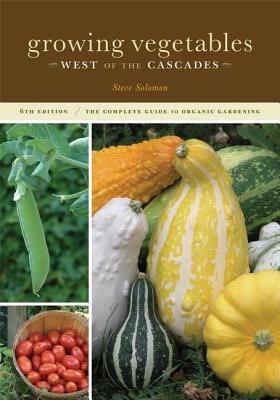
Growing Vegetables West of the Cascades, Updated 6th Edition: The Complete Guide to Organic Gardening 6 Updated Edition, Steve Solomon, Sasquatch Books. Seattle, 2013, 356 pgs.
ISBN-13: 978-1570618970
Whether you are new to the Oregon Coast or have gardened here for years, Steve Solomon's book will be a much thumbed reference for all types of vegetables. The latest version, a special updated 6th edition, addresses issues of soil, seeds, compost, watering, planting times, harvesting and so much more. Steve Solomon, who founded the Territorial Seed Company, was one of the early advocates of organic gardening and benefits of small-plot vegetable gardening in the Pacific Northwest. The advice is practical and suitable for all skill levels.
This is a great resource!