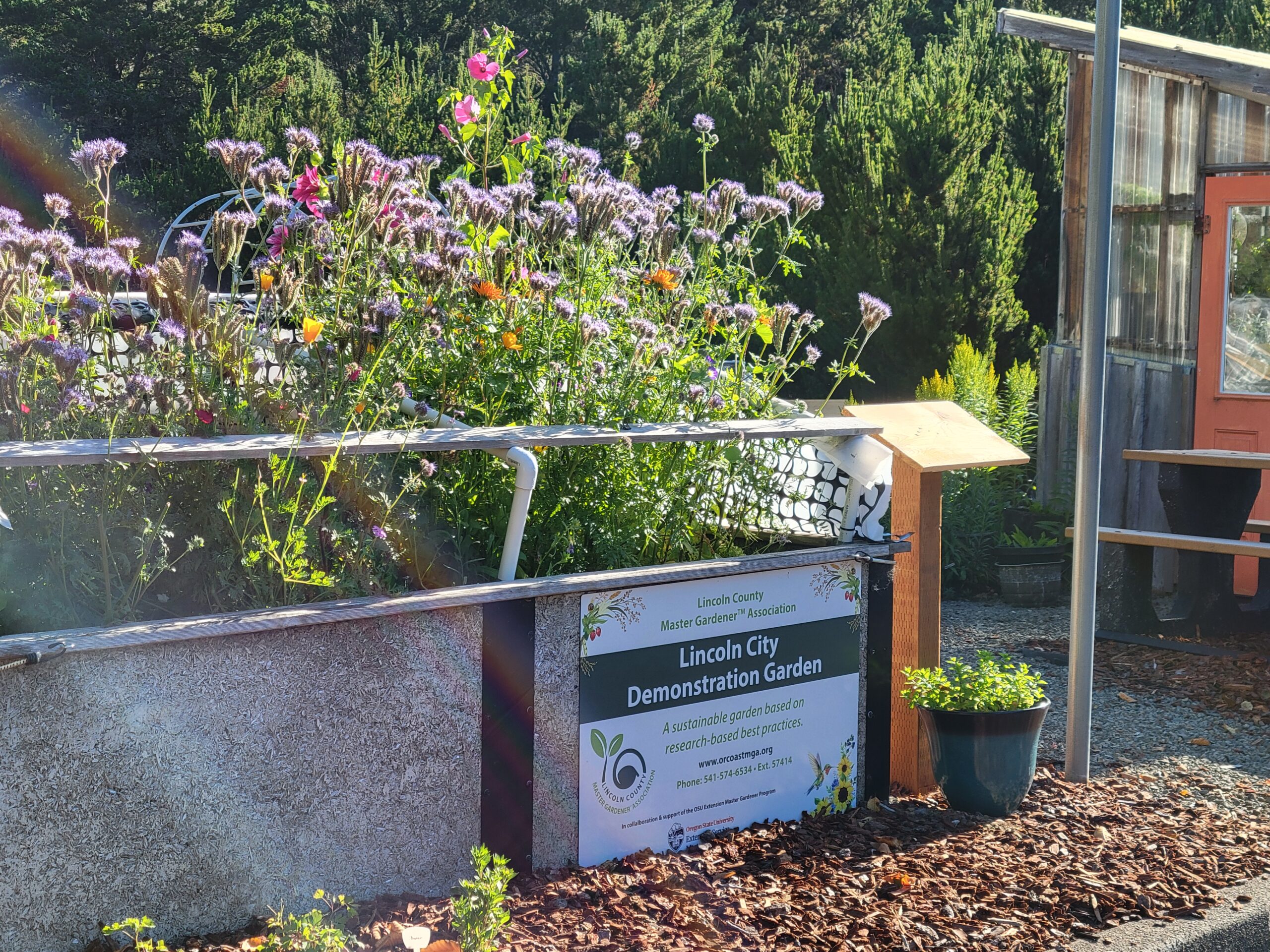
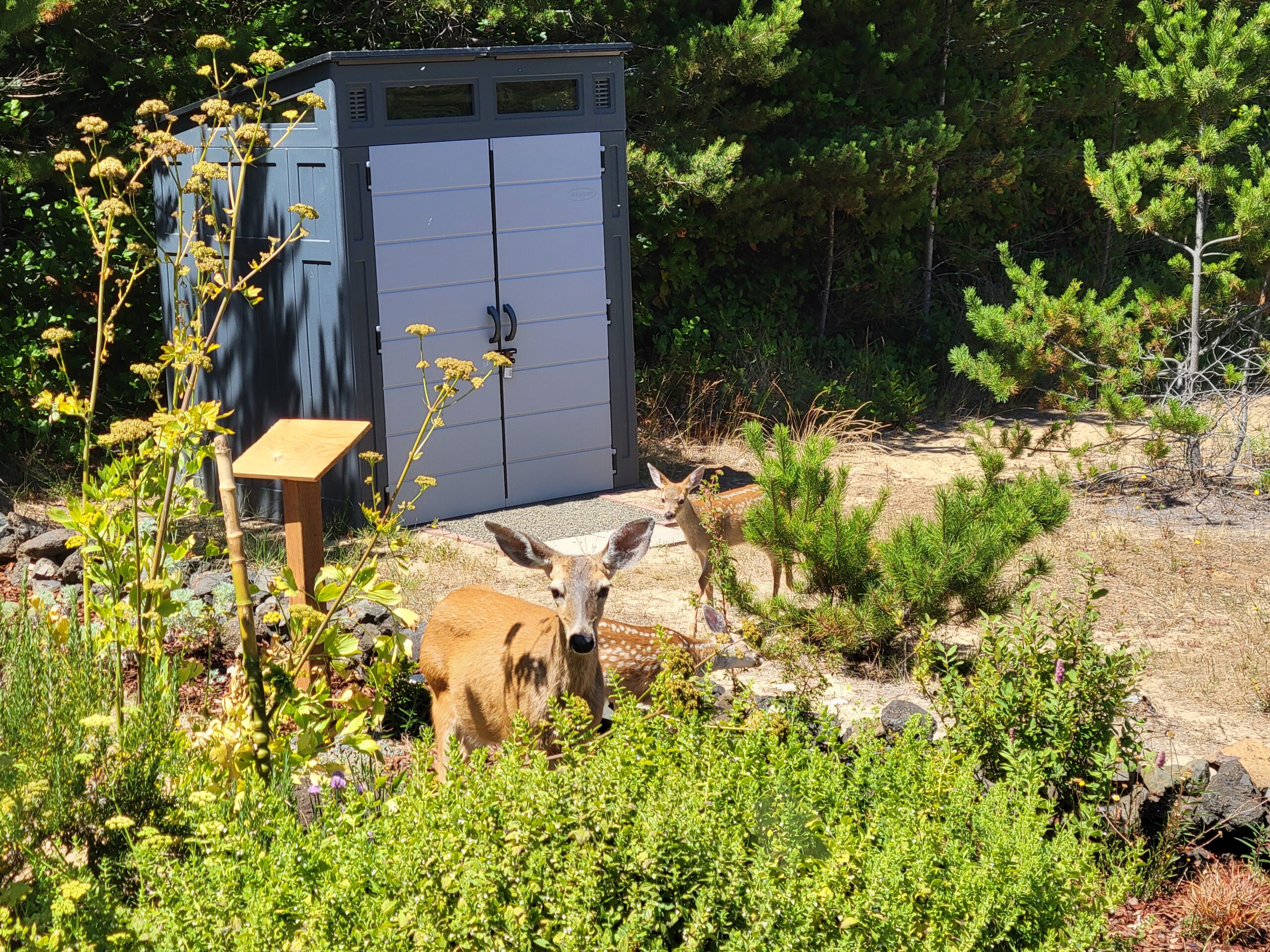
In this edition of the Lincoln County Gardner, host Ross McCann talks with Master Gardeners Kathy Burke and Terry DeJong, leaders of the Lincoln City OSU Demonstration Garden. Find out about the garden and drop by for a visit.
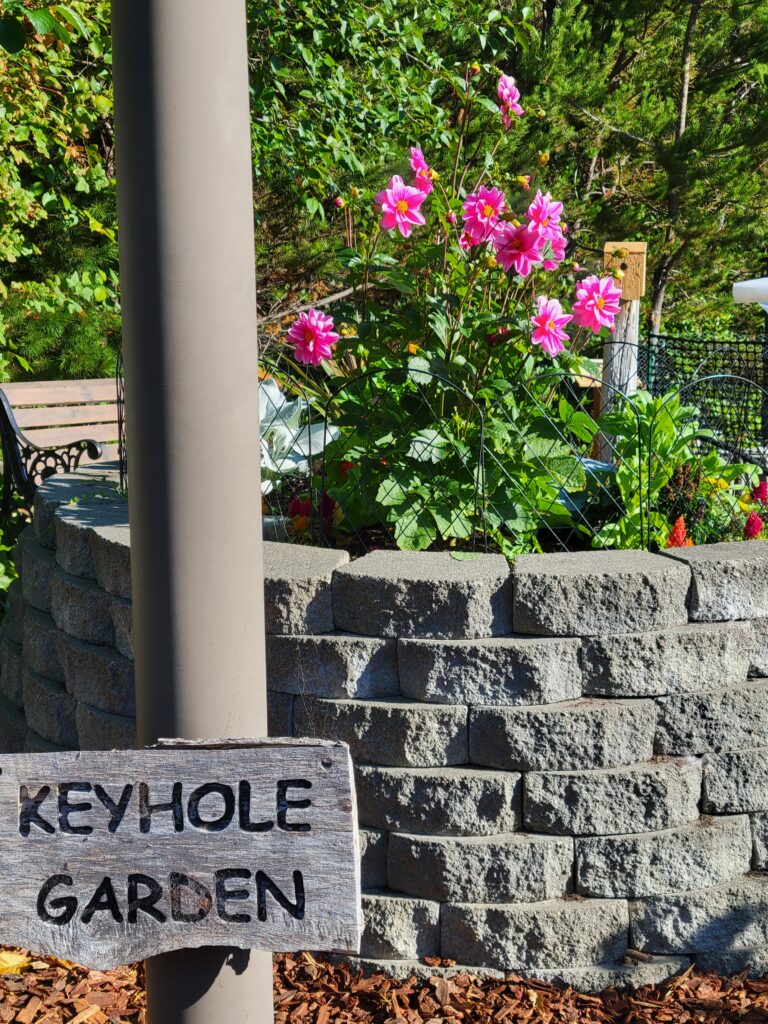
Ross mentions the KYAQ episode featuring the Keyhole garden which you can listen to here.
Local Lincoln City residents enjoying the Sensory Garden. Photo from Terry DeJong.Mary Jane Bonelitz designed, and the Lincoln County Master Gardeners built this unique "Keyhole Garden." Photo by Larry King.
Nursery pots and garden tools are meant to last more than one season. Unfortunately, some plant diseases, pests, and pathogens can also persist on these items from one season to the next. Fungal spores, bacterial films, and even virus particles may remain on soil residues or in small crevices in tools and containers. At the start of the season, carefully disinfect your garden tools to reduce the risk of carrying problems into the new growing cycle. It’s also important to disinfect shears and secateurs between plants, since the blades can pick up a plant virus from one plant and mechanically transmit it to the next.
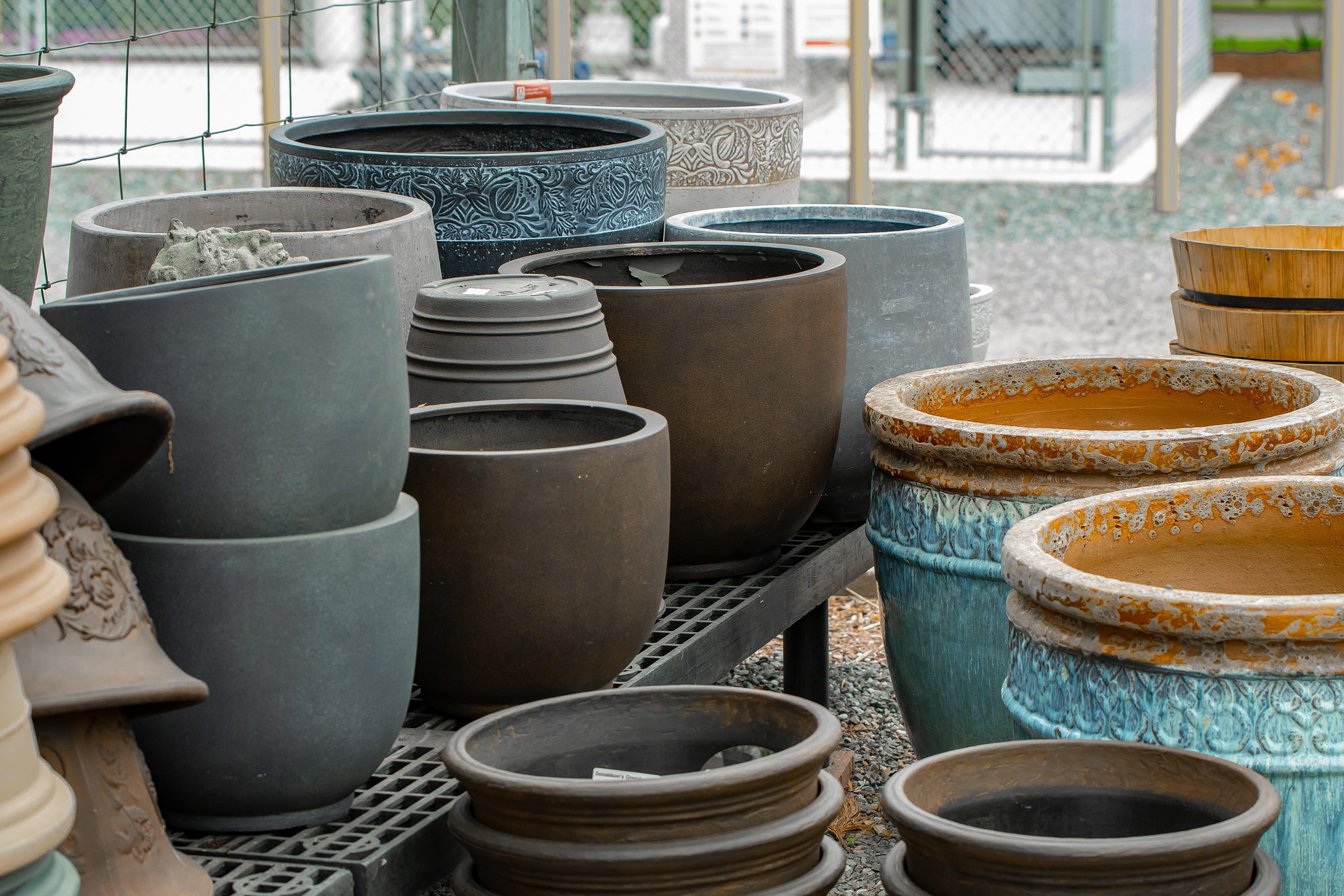
Any time you're reusing pots and containers, a thorough cleaning followed by a disinfectant treatment is recommended. Removing old soil and organic debris first is essential, because disinfectants work far more effectively on clean surfaces. This simple step can significantly reduce the likelihood of spreading soil-borne diseases to new plants.
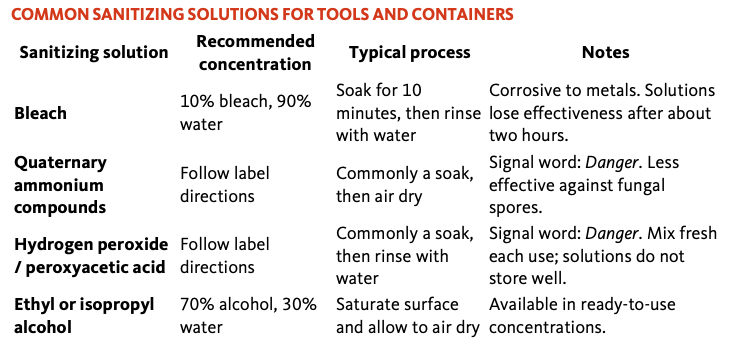
Here are recommended options from OSU Extension Service:
Using a 30% probability threshold, means there’s about a 3 in 10 chance frost will occur before or after the given date. In general, it should be safe to plant after this date. Tender and warm-weather plants may need to be planted later when the soil is warmer (think tomatoes). Because micro-climates vary—your backyard might be warmer or cooler than nearby towns—use these dates as a flexible guide, not a guarantee.
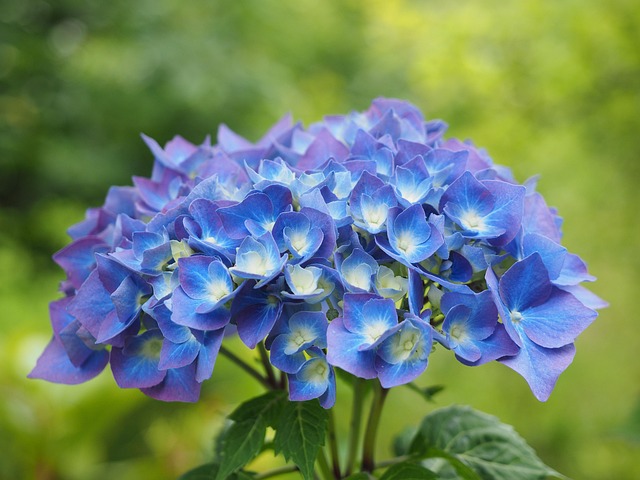
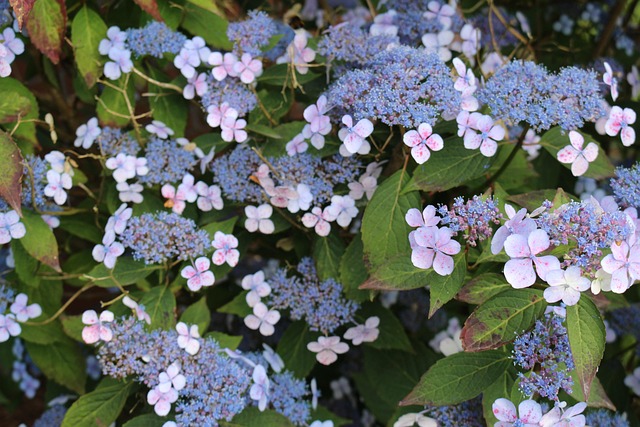
In this edition of the Lincoln County Gardner, host Ross McCann talks with Master Gardener Mary Jane Bonelitz about Hydrangeas (Hydrangea macrophylla and Hydrangea paniculata). The Oregon coast provides almost perfect conditions for this popular plant.
In this edition of the Lincoln County Gardner, host Ross McCann talks with Master Gardeners Cheri Rice and Terry DeJongh. They volunteer at Lincoln City's treasure, the Connie Hansen Garden.
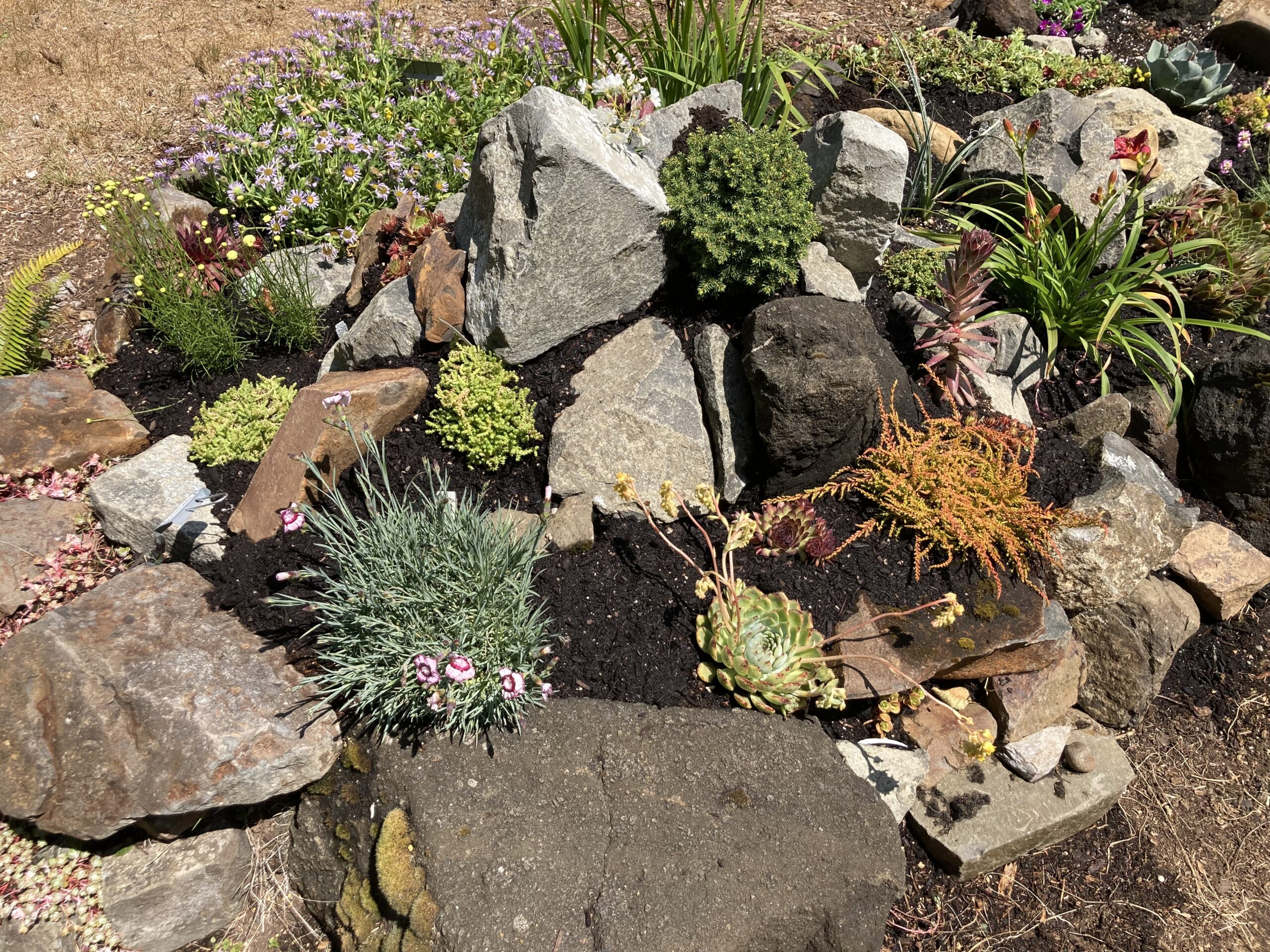
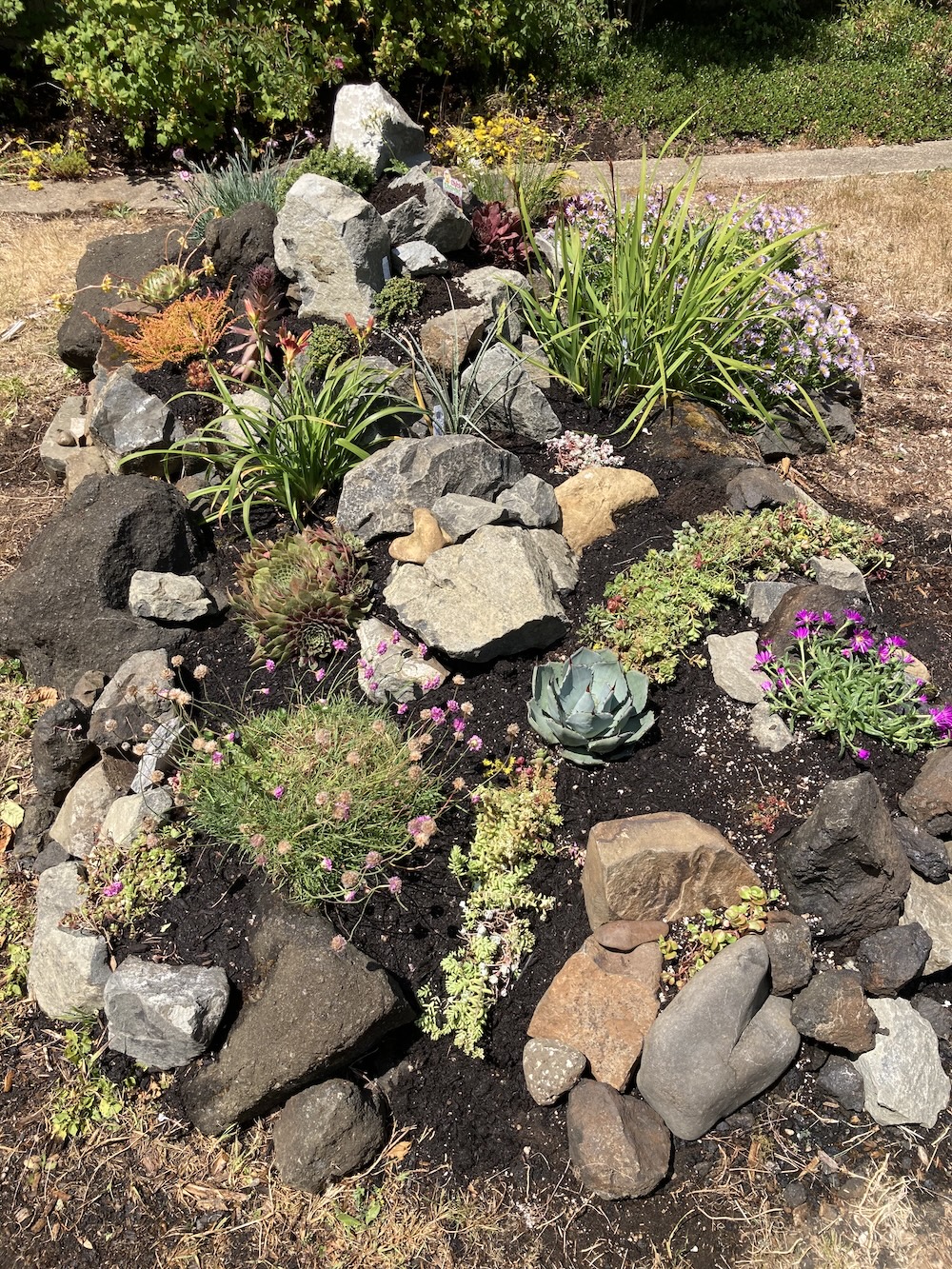
In this edition of the Lincoln County Gardner, Ross McCann talks with Master Gardener Larry King about rock gardens. Learn about the many types of rock gardens and the basics of construction and plant selection.
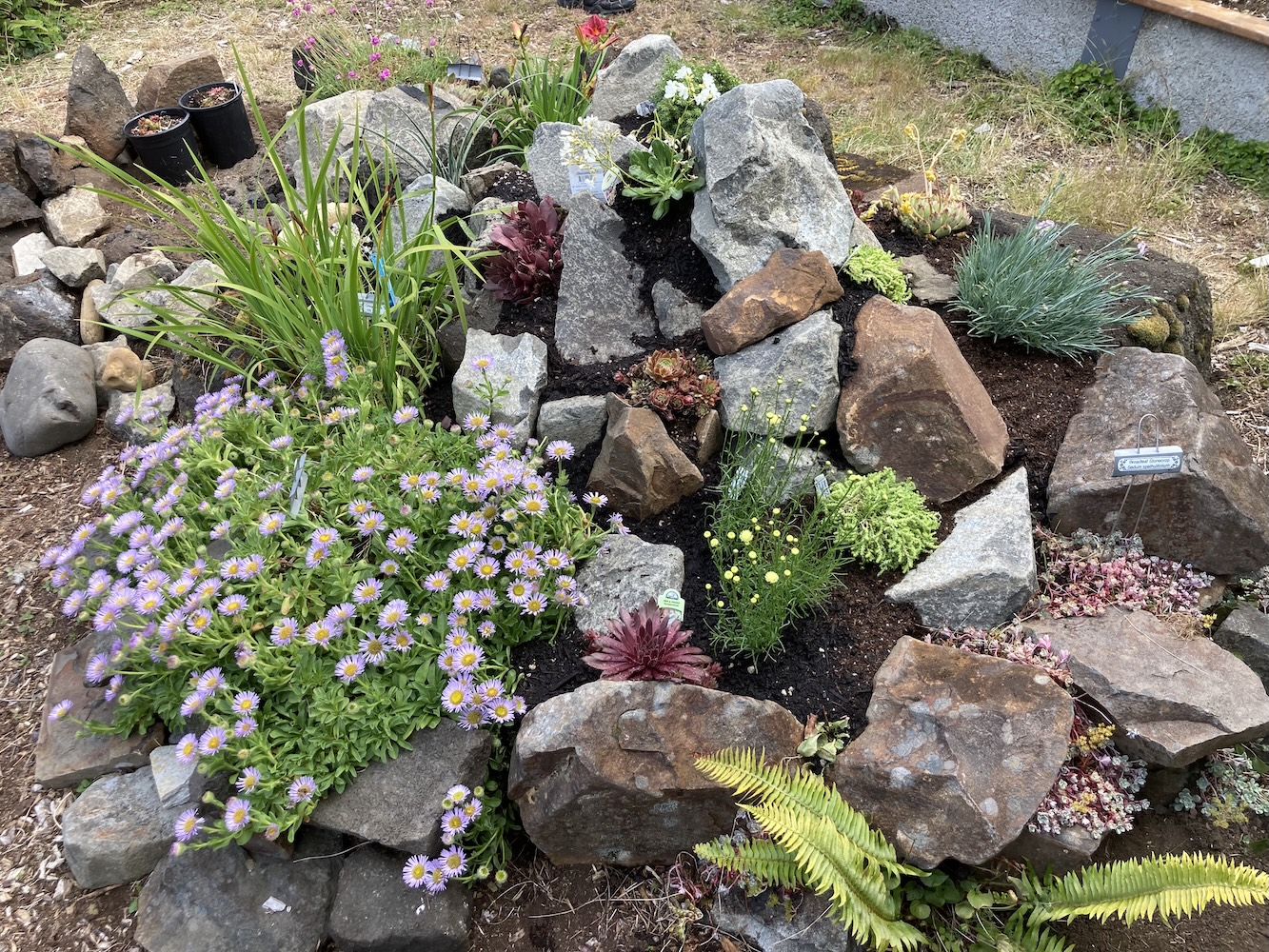
Here's a photo of the refurbished rock garden in the South Beach OSU demonstration garden. Note the rocks (underpinned by cement blocks) to give height and interest in the background. All photos by Larry King and used with permission.
The view from the other side shows how we incorporated some of the existing native plants: Seaside Daises (Erigeron glaucus left, lower) and Oregon Iris (Iris Tenax left, upper). In the center of the picture, with small yellow flowers is Lavender Cotton (Santolina chamaecyparissus). It soon took over the end of the rock garden and needed regular pruning to keep it in check.
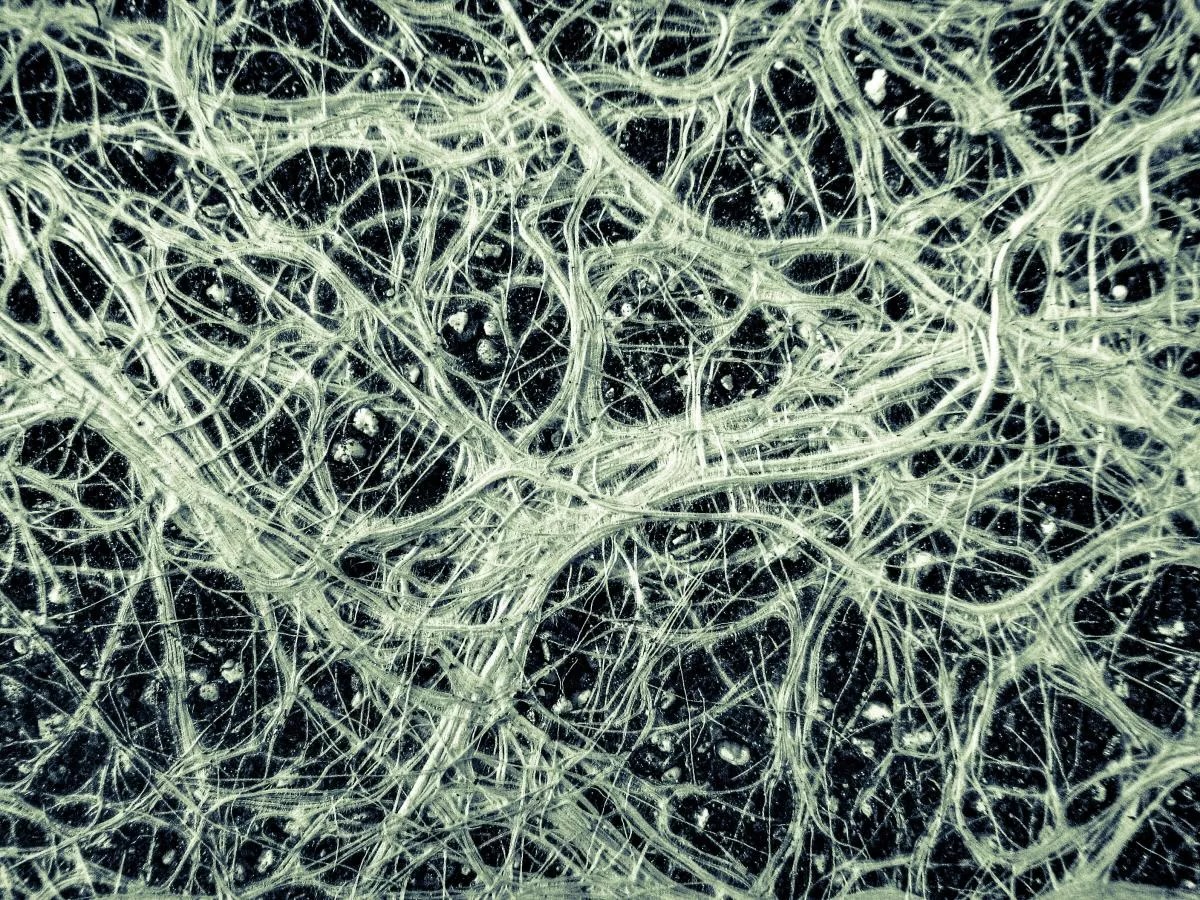
In this edition of the Lincoln County Gardner, Ross McCann talks with Master Gardener Herb Fredricksen about fungi and their part in creating Mycorrhizal Networks. You'll even get a history lesson on how fungi and plants evolved.
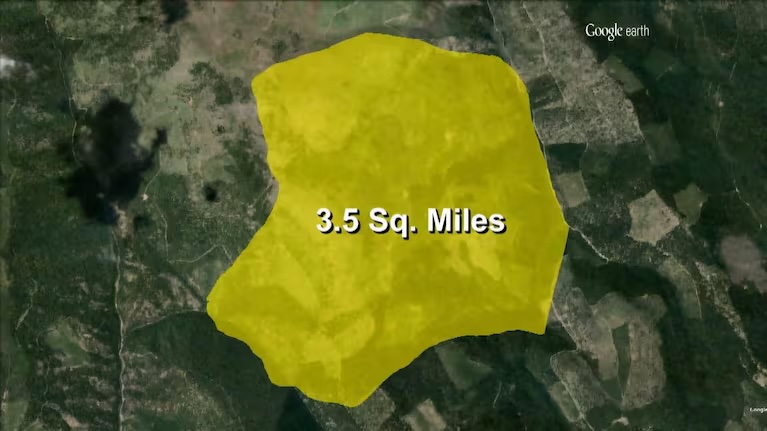
Herb's fun fact: Scientists say their DNA tests prove that a single Armillaria organism covers nearly 3 1/2 square miles under the Malheur National Forest. Image by Todd Sonflieth of Oregon Public Broadcasting. Featured image of Mycorrhizal Fungi courtesy of University of New Hampshire Extension Services.
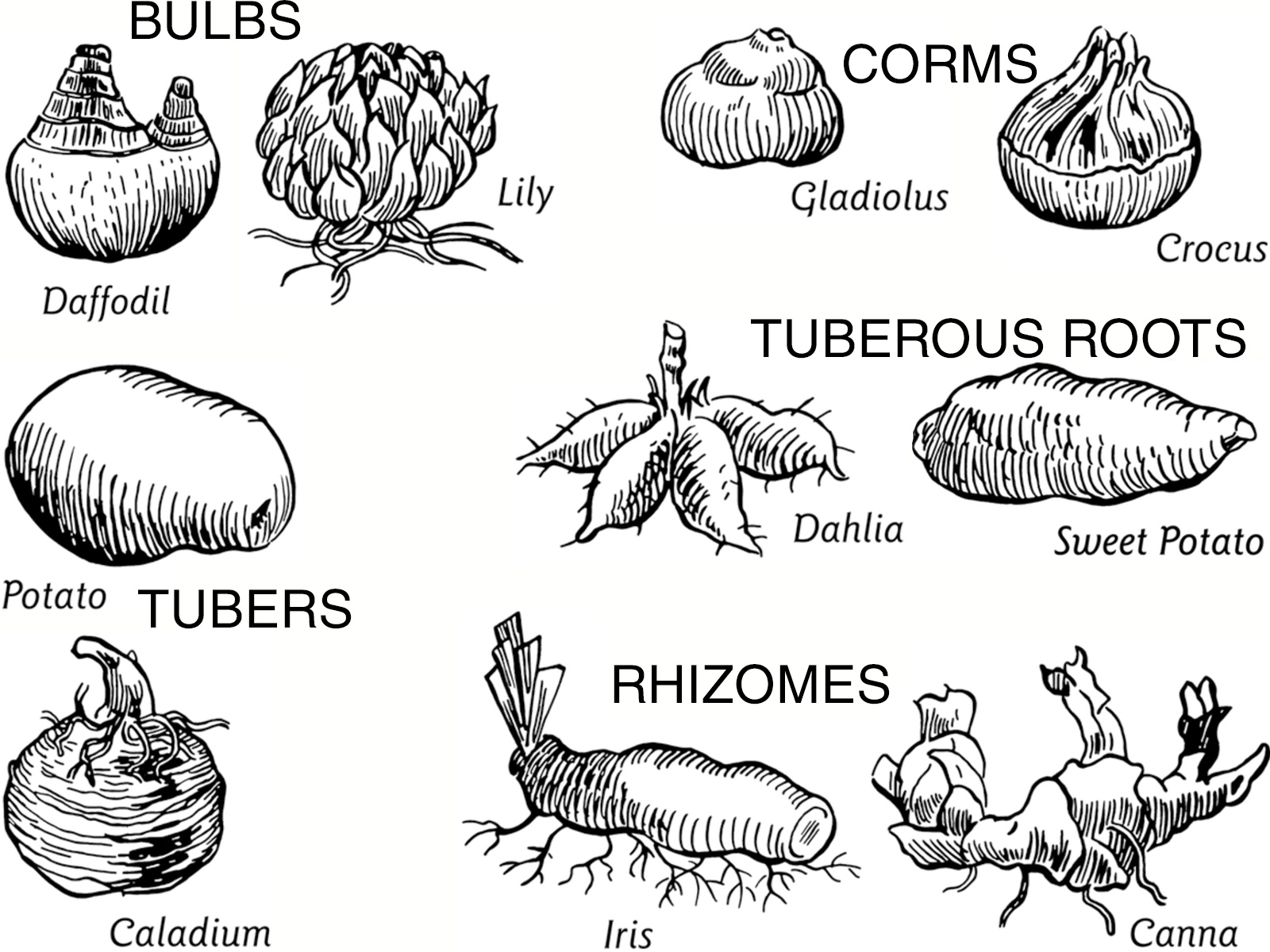
Sometimes we have too much material when editing our KYAQ radio show and important information doesn't make it into the episode. In this case, Master Gardener Joan Crall does a wonderful job of describing the five kinds of "bulbs" that produce spring displays of flowers. Master Gardener Ross McCann is the interviewer. Joan covers true bulbs, corms, tubers, tuberous roots and rhizomes.
Bulb
Structure: A bulb is composed of modified, fleshy leaves (scales) wrapped around a central bud, with a basal plate at the bottom.
Function: Stores energy and nutrients to survive and grow a new plant.
Examples: Tulips, daffodils, lilies, and onions.
Corm
Structure: A solid, swollen underground stem with a papery outer covering (tunic). It is not made of layered leaves.
Function: Stores food reserves in the stem tissue.
Examples: Crocus, gladiolus, and freesia.
Tuber
Structure: A swollen stem or root that stores food. It has "eyes," which are buds that can sprout new shoots.
Function: Stores nutrients for the plant's growth.
Examples: Potatoes and caladium (stem tubers) and dahlias (tuberous root).
Rhizome
Structure: A horizontal stem that grows underground or along the surface, with roots and shoots developing from nodes along its length.
Function: Serves as both a storage organ and a primary means for vegetative reproduction and spreading.
Examples: Ginger, iris, and canna.
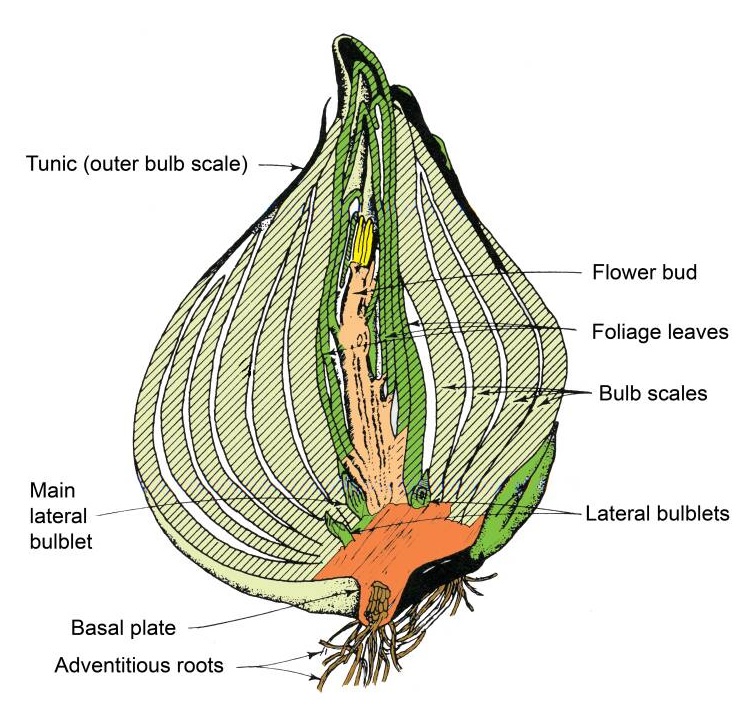
In cross section, a true bulb has all of the parts visible that will form the whole plant. Diagram courtesy of University of Florida. Featured line drawing courtesy of Thursd.
In this edition of the Lincoln County Gardner, Ross McCann talks with Master Gardener Cathi Block about composting. She makes it easy to get started in this sometimes-confusing process.
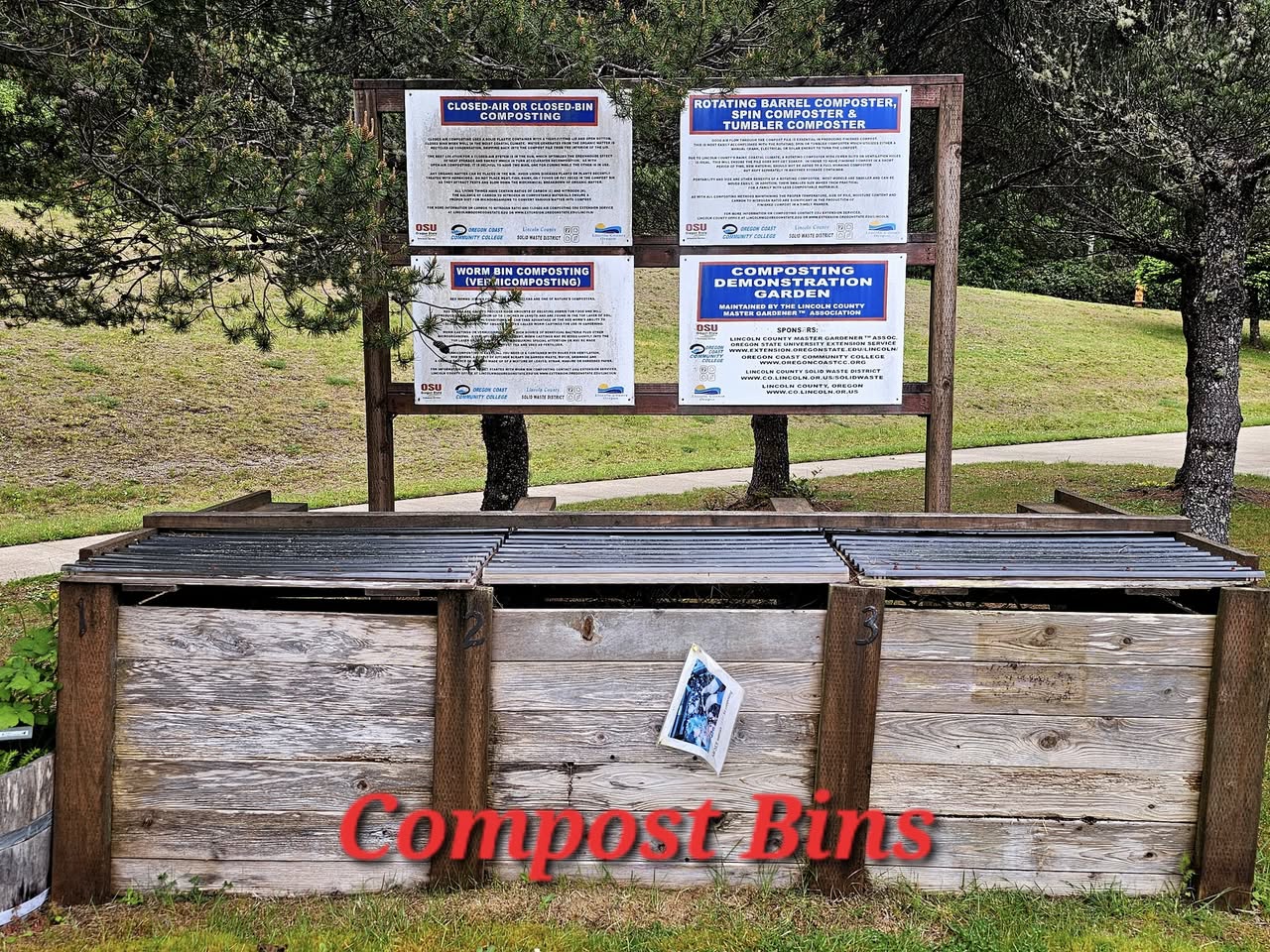
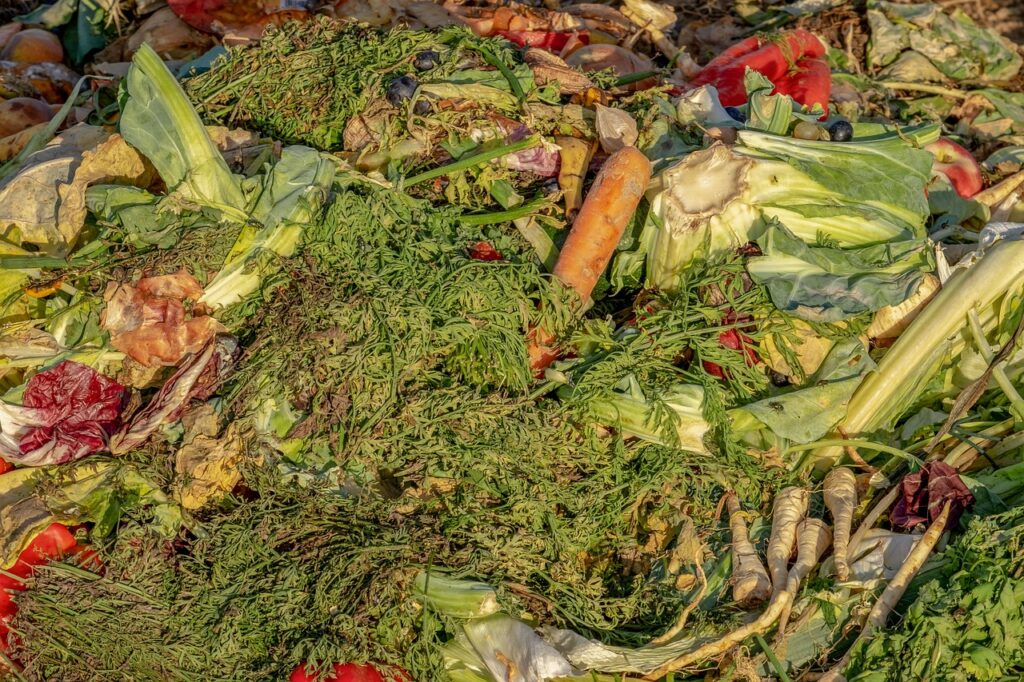
A great place to start composting is with your own kitchen trimmings and waste. Image by Couleur from Pixabay. Featured image from the South Beach Demonstration Garden's 3-stage composting bins. Image provided by Steve Vogel.
In this edition of the Lincoln County Gardner, Ross McCann is on vacation, so Master Gardener Larry King talks with OSU Extension Service employee Stormi Dykes about the Master Gardener program. Stormi administers the program for Lincoln County.