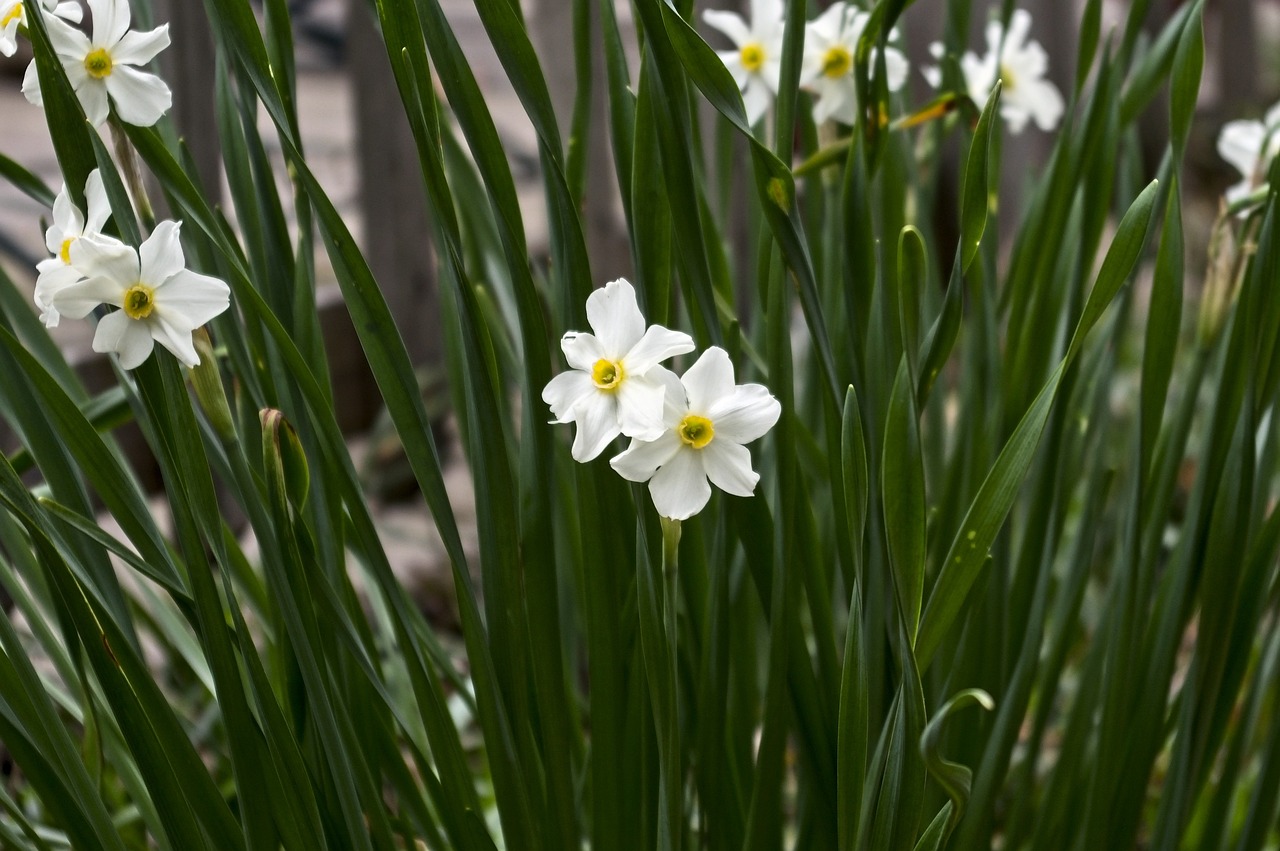
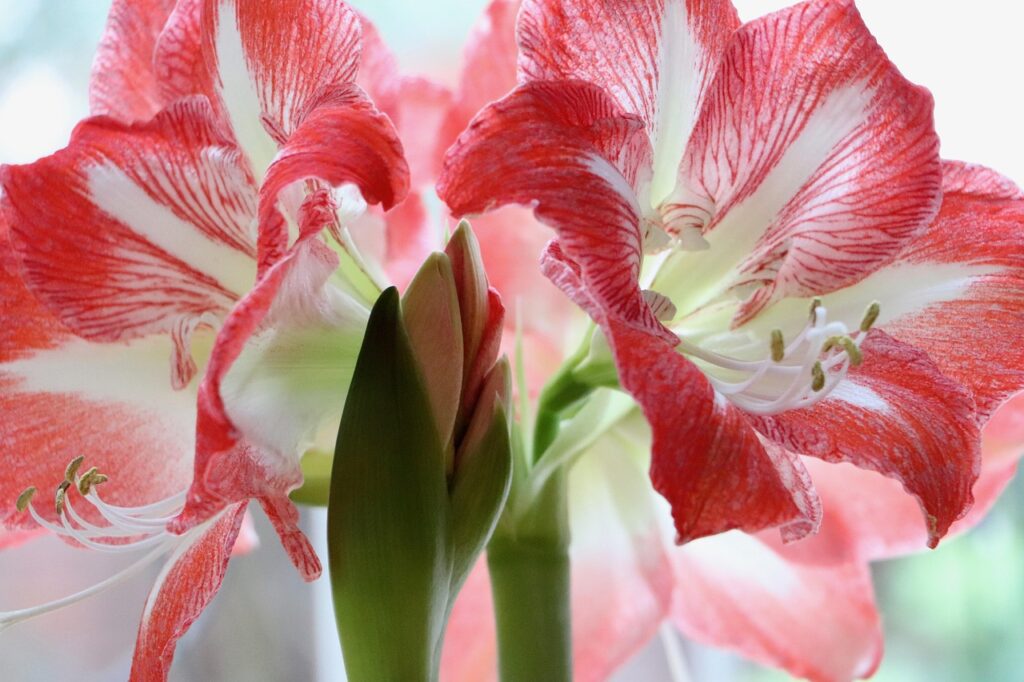
In this edition of the Lincoln County Gardner, Ross McCann talks with Master Gardener Joan Crall about growing bulbs for winter holiday display. Both amaryllis (Hippeastrum) and paperwhites are discusses.
Hippeastrum unnamed variant, image by Annette Meyer from Pixabay. Featured image of Narcissus tazetta 'Ziva' growing outdoors in Arkansas, but more commonly "forced" indoors for winter display. Image by Mike Goad from Pixabay.
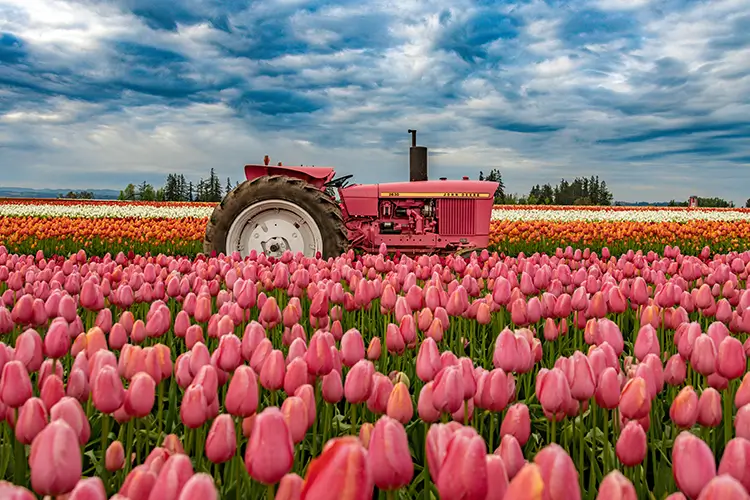
In this edition of the Lincoln County Gardner, Ross McCann talks with Master Gardener Joan Crall about the many kinds of bulbs that you can plant in the fall for spring bloom. She covers selection, planting and long term care.
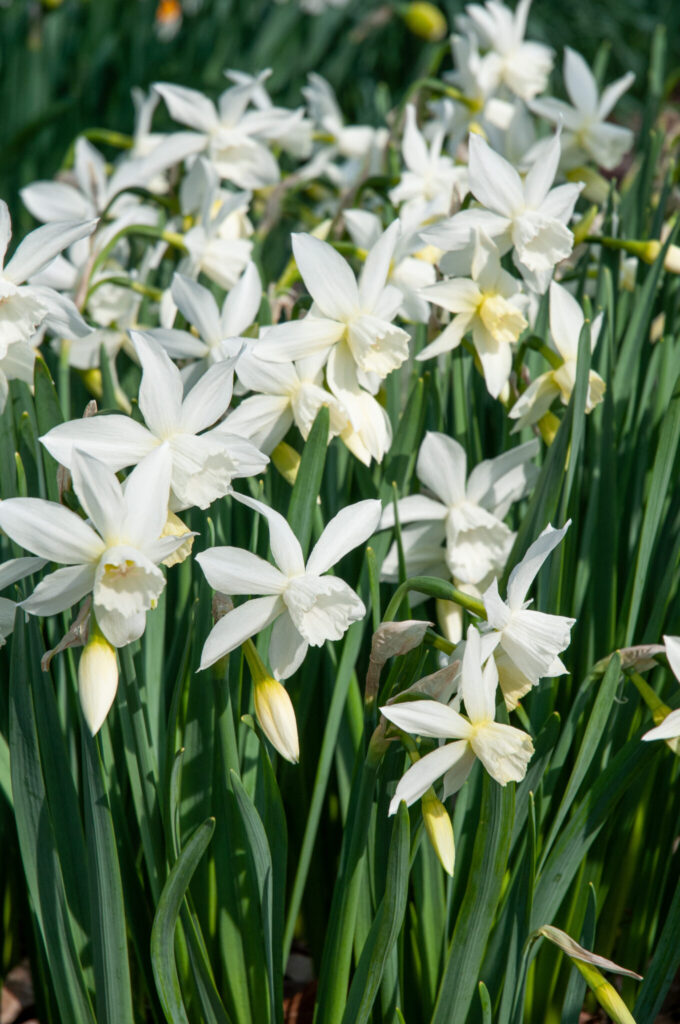
Narcissus triandrus 'Thalia' is one of thousands of varieties of "daffodils." Thalia's flower is orchid shaped, scented and naturalizes well in Lincoln County. Photo courtesy of Colorblends Wholesale Bulbs. Featured image of Wooden Shoe Tulip Festival in Canby, OR, courtesy of Wooden Shoe Tulip Farm.
In this edition of the Lincoln County Gardner, Ross McCann talks with Master Gardener Pam Crobar about creating a bog garden featuring carnivorous plants. Many of the plants are native to coastal Oregon.
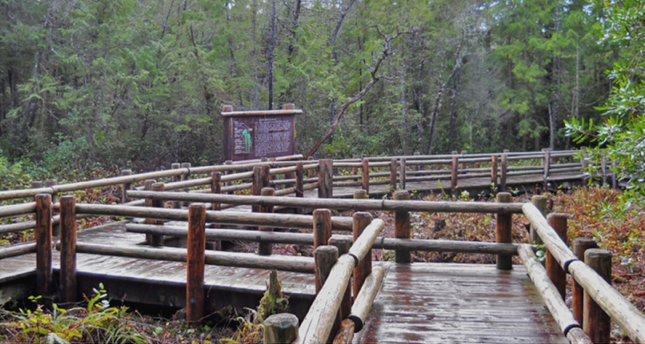
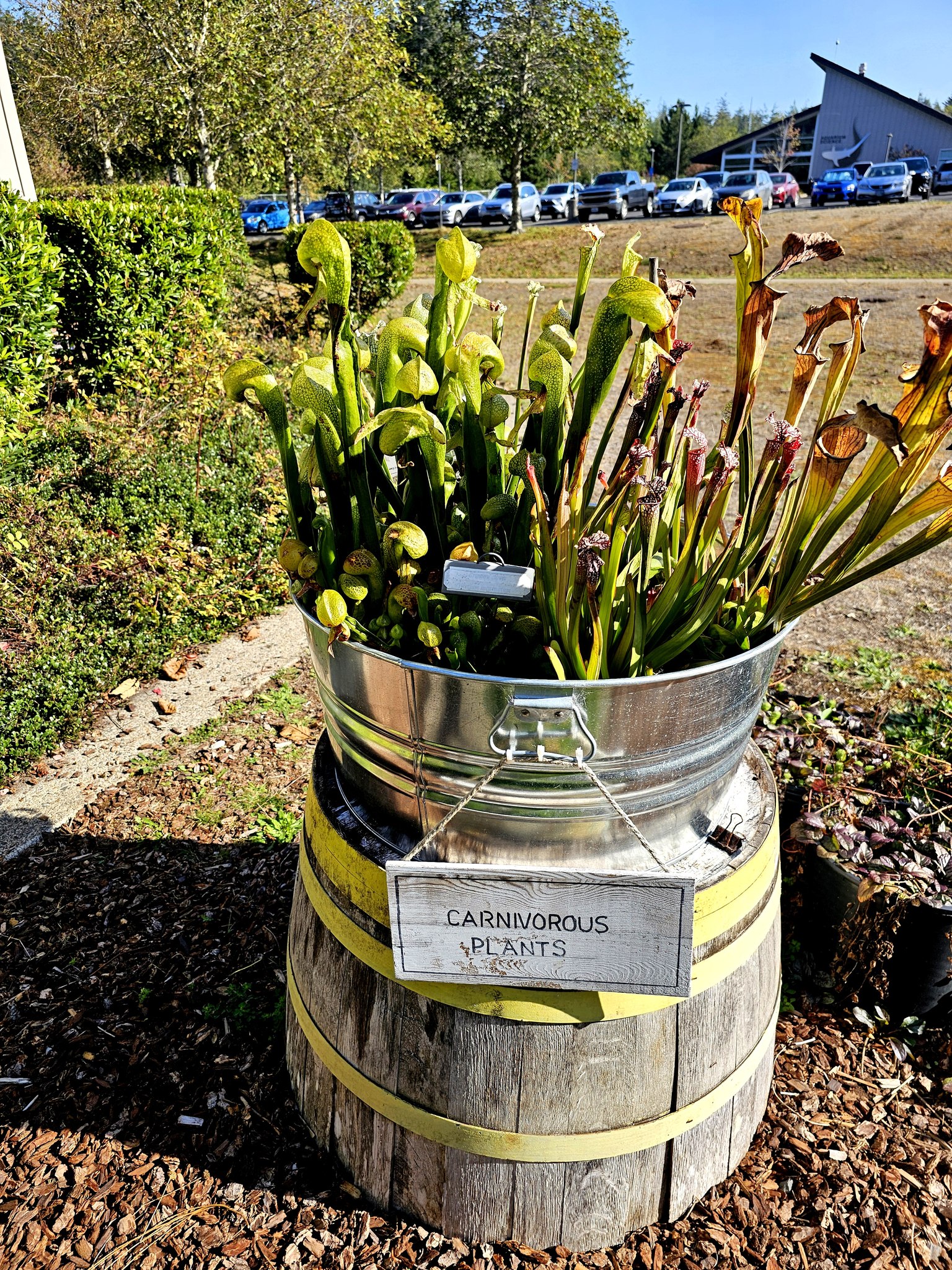
You can create a simple carnivorous bog using a container. Image by Steve Vogel. Featured Image of Darlingtonia State Natural Site in Florence, OR. Photo by Oregon State Parks.
In this edition of the Lincoln County Gardner, Ross McCann talks with Master Gardeners Julie Roth-Carter and Martha Mills about creating gardens that are accessible to everyone. This includes garden planning and making modifications to gardens for specific accessibility Concerns.
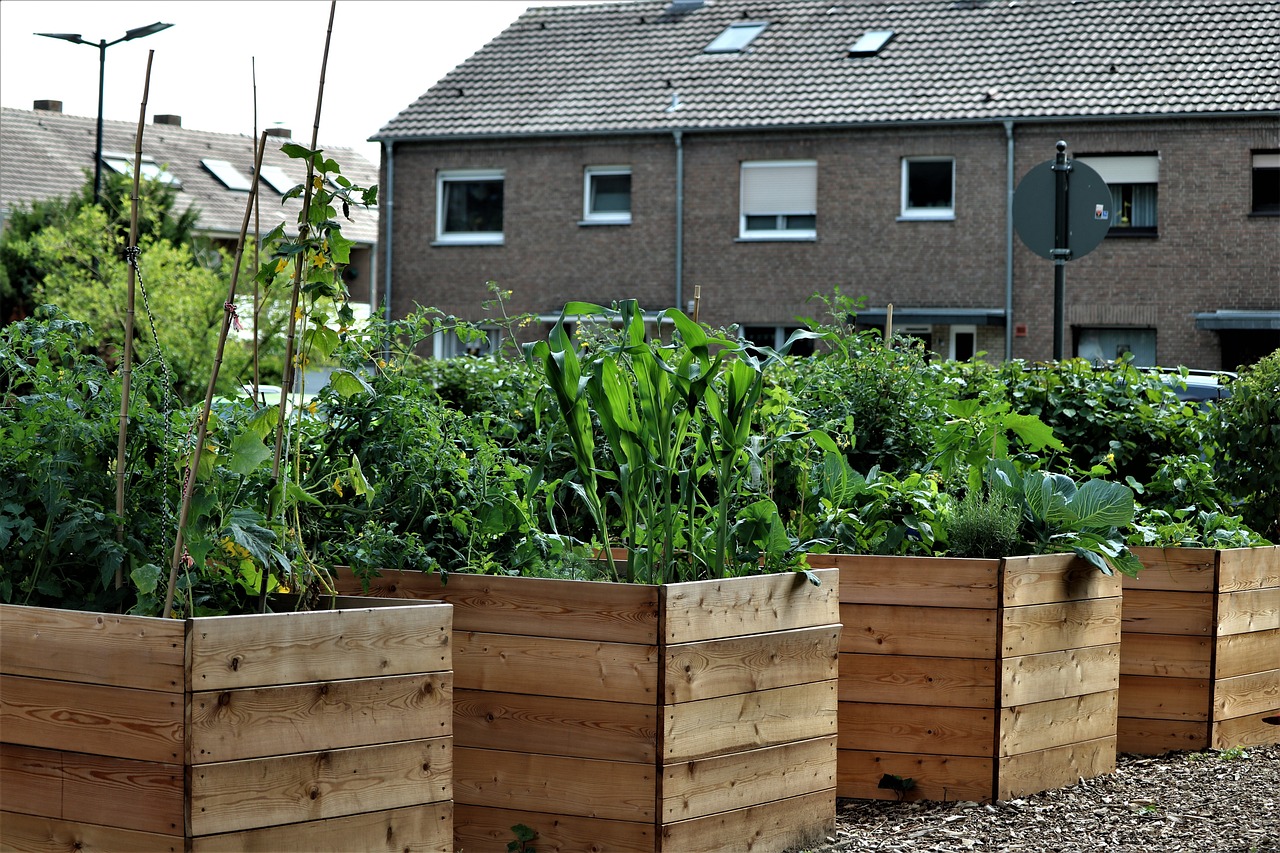
Tall raised beds with access on all sides can make gardening easy for people with mobility restrictions. Image by Jeyaratnam Caniceus from Pixabay. Featured image of accessible wheelchair garden Image by Francisco Zuasti from Pixabay
In this edition of the Lincoln County Gardner, Ross McCann talks with Master Gardener Mary Jane Bonelitz about gardening in pots, planters and other containers. She describes how to choose your container, soil composition and more.
Carnivorous container bog in South Beach Demonstration Garden. Photo by Steve Vogel. Featured image of succulent planter by Larry King.
In this edition of the Lincoln County Gardner, Ross McCann talks with Master Gardener Daniel Hutchison about creating gardens with year-round interest. Selecting plants for bloom time, fragrance, foliage color and more can keep your garden captivating all year long.
Camellia japonica 'Bella Rosa.' Photo by Larry King. Featured image of garden plants with varying bloom times by Larry King.
In this edition of the Lincoln County Gardner, Ross McCann talks with Master Gardener Mary Jane Bonelitz about the history, creation and features of a keyhole garden.
Mary Jane Bonelitz designed and the Lincoln County Master Gardeners built this cottage stone Keyhole Garden in the Demonstration Garden in Lincoln City. Featured image of wooden keyhole garden courtesy of Sage at https://sagesacre.com.
In this edition of the Lincoln County Gardner, Ross McCann talks with Master Gardener Larry King about gardening using raised beds. Raised beds can help increase soil temperature for better plant growth as well as a variety of other benefits.
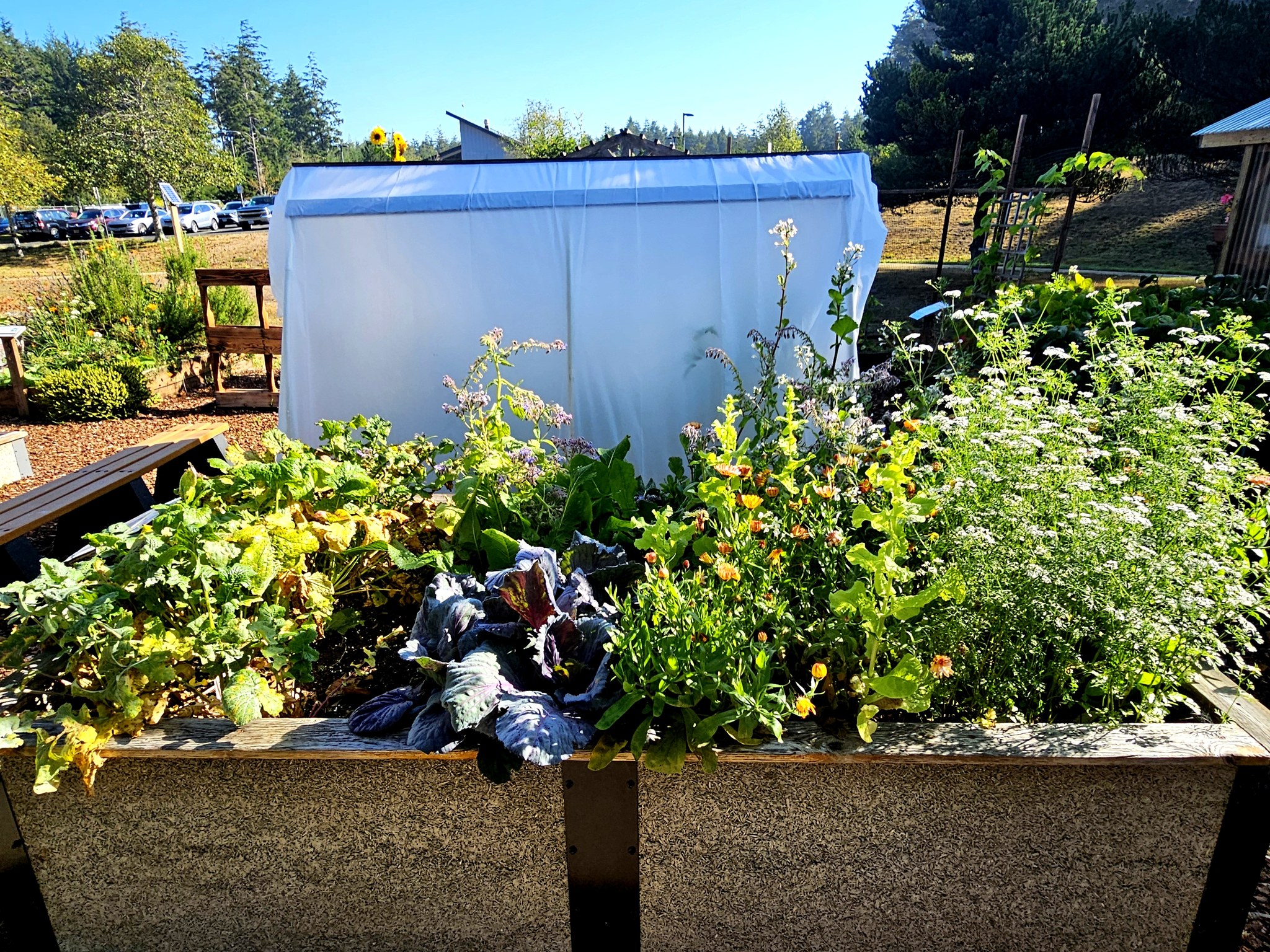
Raised bed in Demonstration Garden, Waldport. Photo by Larry King. Featured image by Steve Vogel showing tall raised bed for vegetable production in South Beach Demonstration Garden.
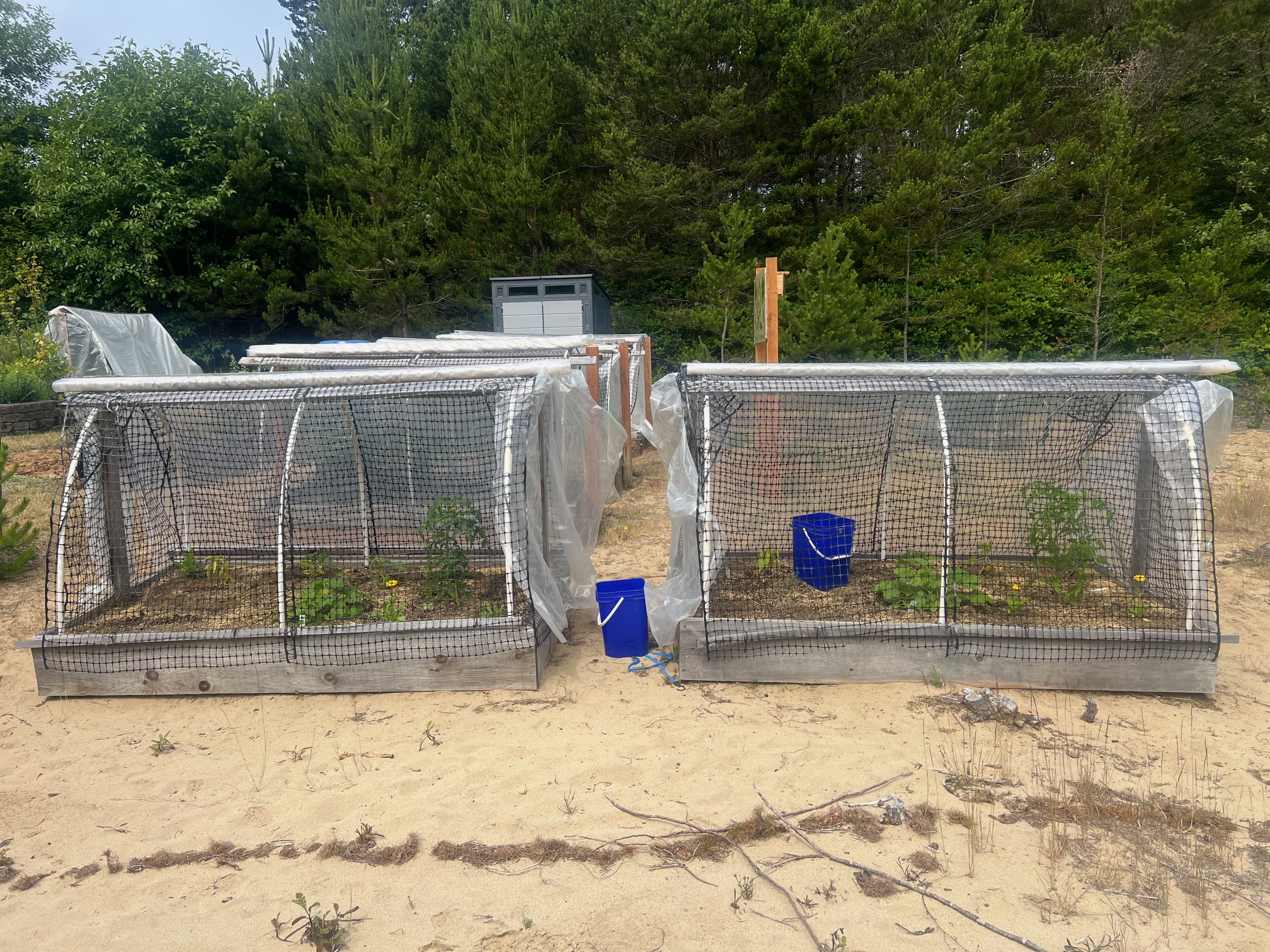
In this edition of the Lincoln County Gardner, Ross McCann talks with Master Gardener Cathi Block about using cloches. You'll learn that the extra protection given through cloche usage will extend your growing season, protect your plants from being eaten and even allows planting winter crops.
View inside a cloche at the South Beach Demonstration Garden by Steve Vogel. Featured Image of cloches at the Lincoln City Demonstration Garden by Larry King.
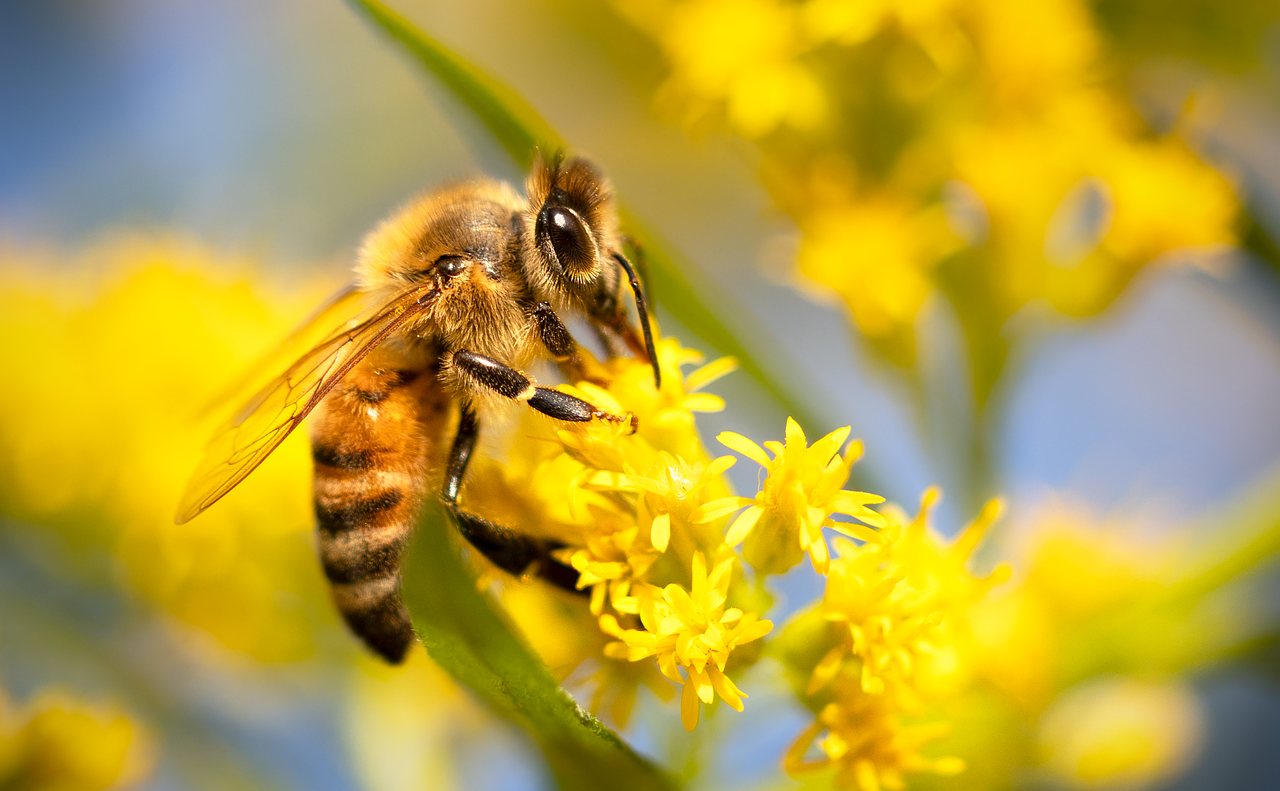
In this edition of the Lincoln County Gardner, Ross McCann talks with the South Beach Demonstration Garden co-coordinator Joan Crall about all that is entailed when designing gardens that attract and support pollinators. They discuss the qualities that make a garden a pollinator garden, how to convert your garden into a more pollinator friendly space, and much more.
A sign in the South Beach Demonstration Garden upon which a California tortoiseshell butterfly is sitting. Photo by Ross McCann. Featured honeybee image by Ted Erski from Pixabay.