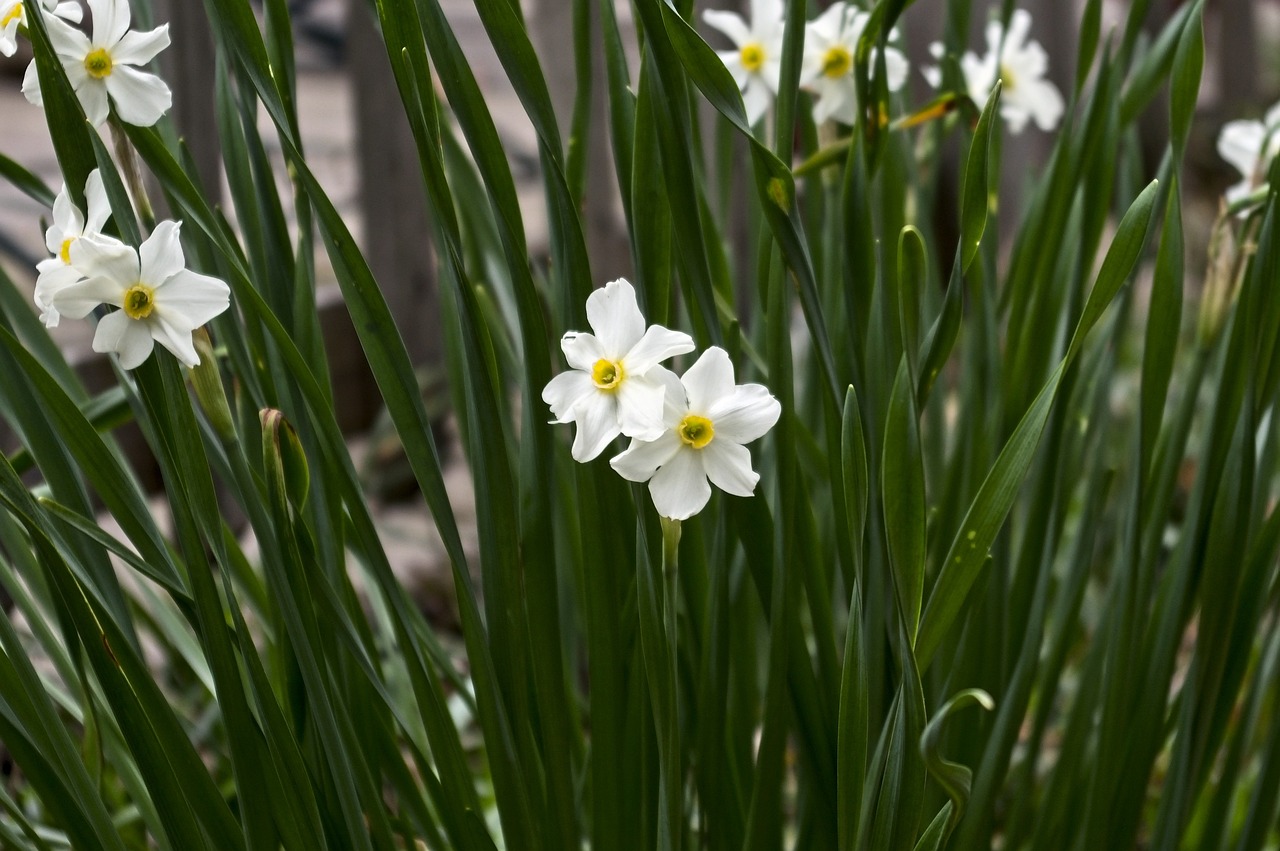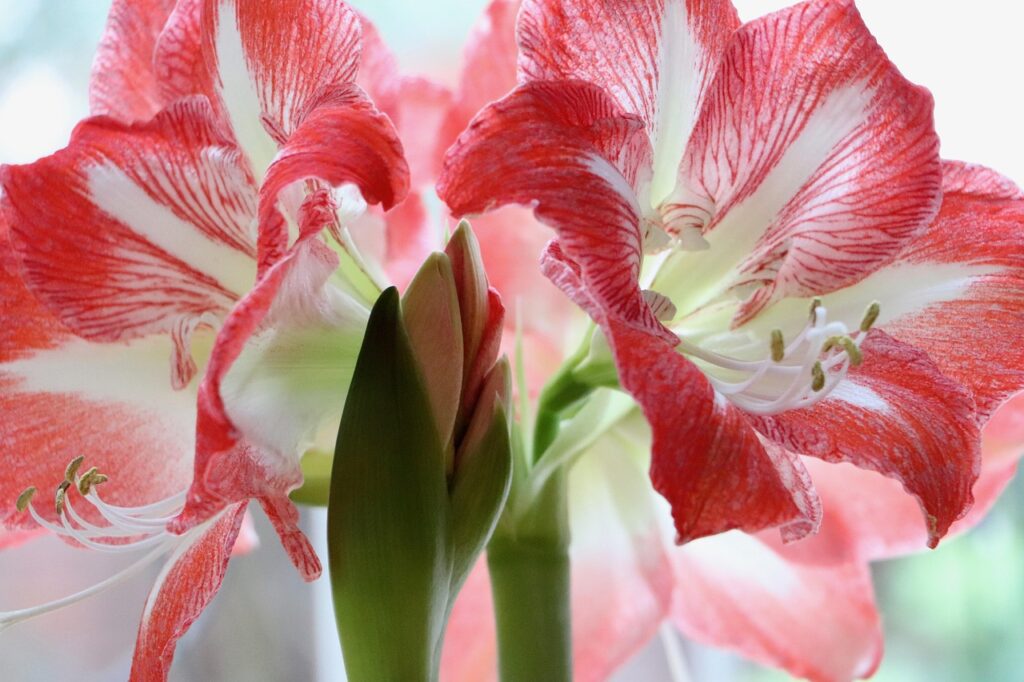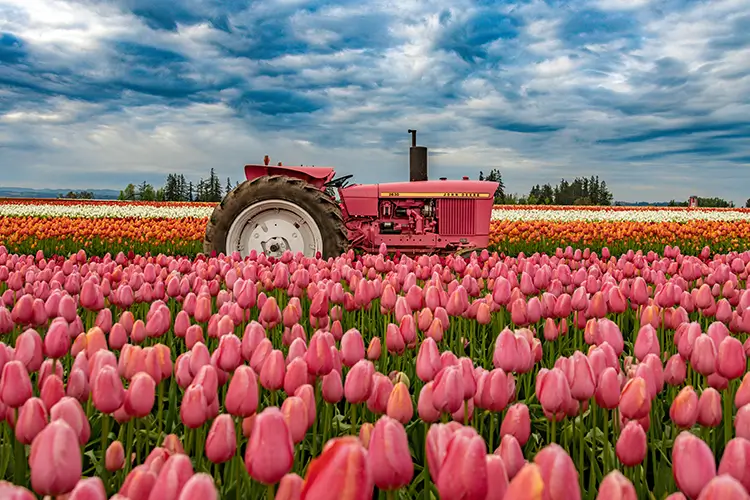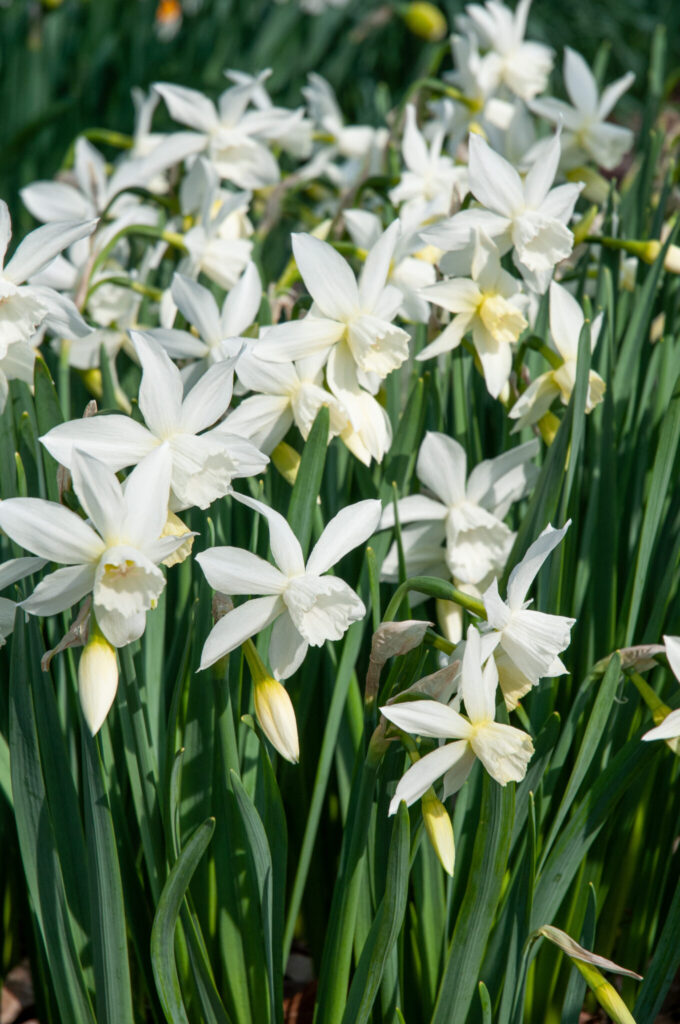
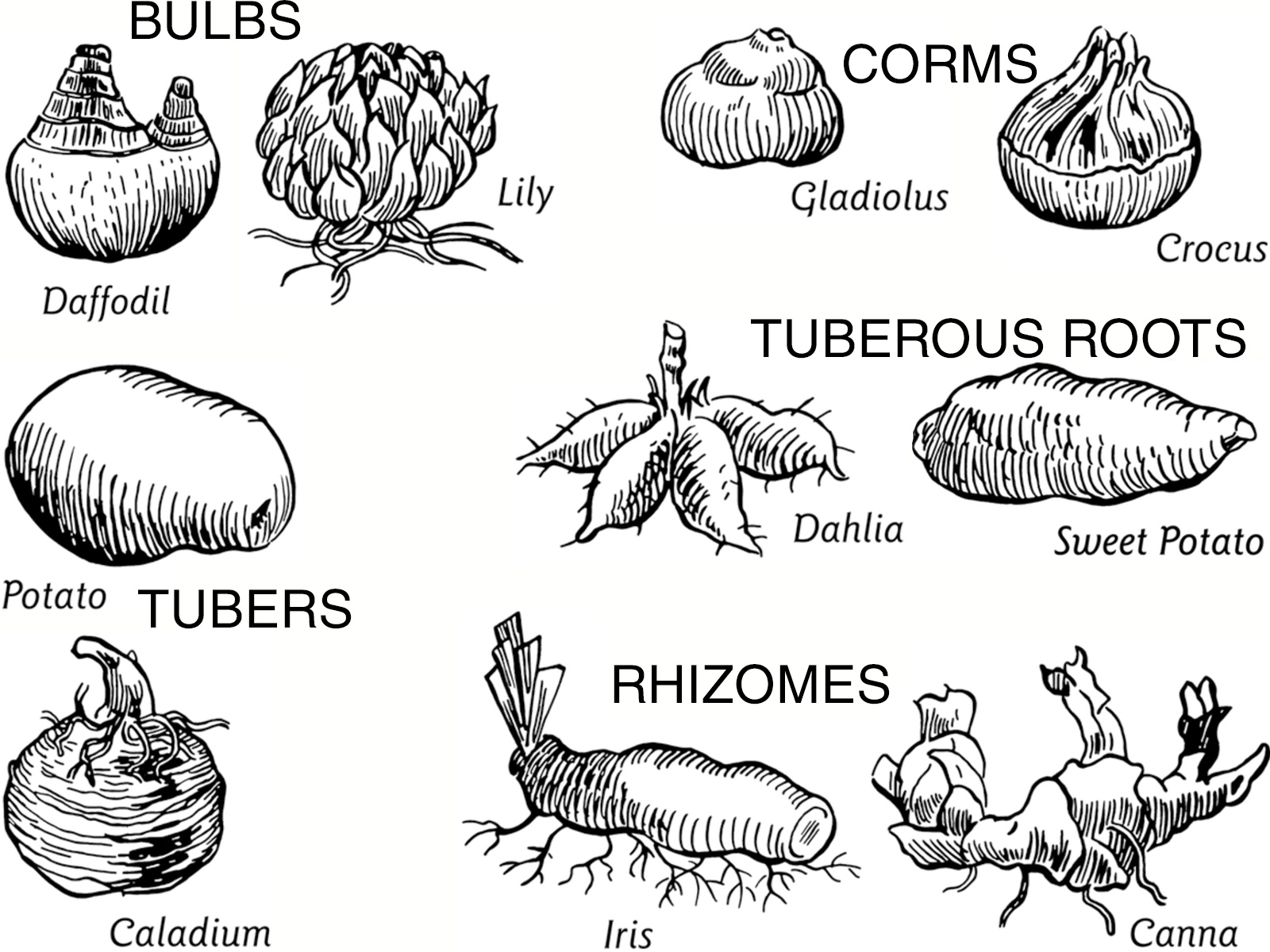
Sometimes we have too much material when editing our KYAQ radio show and important information doesn't make it into the episode. In this case, Master Gardener Joan Crall does a wonderful job of describing the five kinds of "bulbs" that produce spring displays of flowers. Master Gardener Ross McCann is the interviewer. Joan covers true bulbs, corms, tubers, tuberous roots and rhizomes.
Bulb
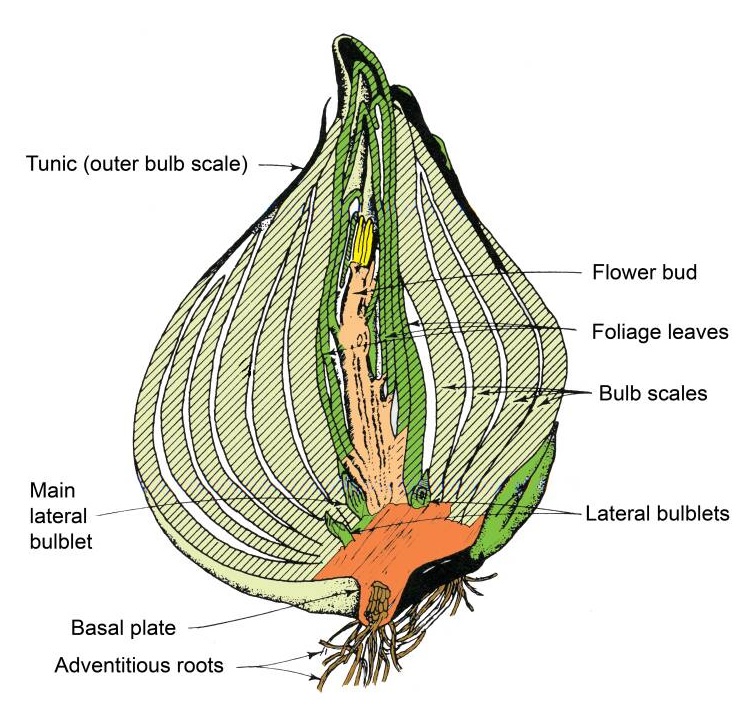
- Structure: A bulb is composed of modified, fleshy leaves (scales) wrapped around a central bud, with a basal plate at the bottom.
- Function: Stores energy and nutrients to survive and grow a new plant.
- Examples: Tulips, daffodils, lilies, and onions.
Corm
- Structure: A solid, swollen underground stem with a papery outer covering (tunic). It is not made of layered leaves.
- Function: Stores food reserves in the stem tissue.
- Examples: Crocus, gladiolus, and freesia.
Tuber
- Structure: A swollen stem or root that stores food. It has "eyes," which are buds that can sprout new shoots.
- Function: Stores nutrients for the plant's growth.
- Examples: Potatoes and caladium (stem tubers) and dahlias (tuberous root).
Rhizome
- Structure: A horizontal stem that grows underground or along the surface, with roots and shoots developing from nodes along its length.
- Function: Serves as both a storage organ and a primary means for vegetative reproduction and spreading.
- Examples: Ginger, iris, and canna.